Is AppleCare actually worth it?
AppleCare is not a promise that repairs will be free. It is a way to transfer part of the repair, damage, and sometimes theft/loss risk to Apple in exchange for the plan price plus applicable service fees.
What matters most
Add likely service fees to understand the real cost of using coverage.
Protection is easier to justify on expensive devices with costly repairs.
Someone comfortable absorbing a surprise repair bill may prefer self-insuring.
Carrier plans, credit-card benefits, and other protection can duplicate parts of the coverage.
The AppleCare decision
Higher exposure makes protection more valuable.
Your history matters more than the average user's.
Fast service can have value beyond repair dollars.
Avoid paying twice for the same risk.
Plan price plus service fee
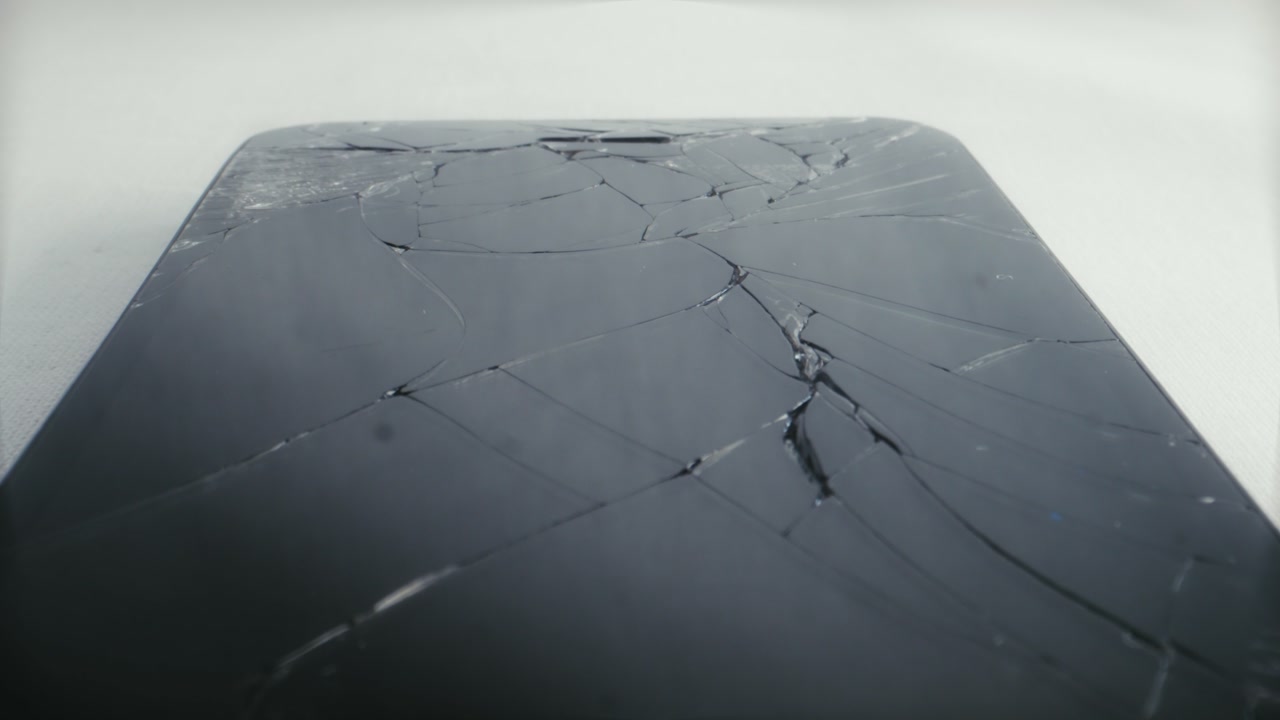
A useful comparison includes both the premium and the amount you still pay when a covered incident occurs. As checked August 27, 2026, Apple lists a $29 iPhone service fee for screen or back-glass damage, $99 for other accidental damage, and a $149 theft-or-loss deductible when that coverage is included. The price of the AppleCare plan itself is additional and varies by device and coverage.
Self-insuring is a real alternative
Instead of buying protection, you can keep the risk yourself. Economically, that means accepting the possibility of a large repair or replacement bill in exchange for avoiding the premium. The strategy works best when you can comfortably absorb the loss and have a history of relatively few incidents.
Downtime has a value
The cost of a broken phone is not only the repair invoice. For someone who relies on a device for work, travel, authentication, navigation, or family communication, the time and hassle of replacement can matter. Service convenience is part of the product.
Check for overlap
Some credit cards provide cell-phone protection when the monthly bill is paid with the card. Carriers sell their own protection plans. Home or renters insurance can sometimes apply to theft subject to deductibles and terms. Coverage is not identical, but overlap can change the value of AppleCare.
Compare the moving parts
| User profile | AppleCare case | Self-insure case |
|---|---|---|
| Expensive device + frequent drops | Stronger | Weaker |
| Older/low-value device | Weaker | Stronger |
| Heavy travel / theft concern | Stronger if theft/loss included | Depends on other coverage |
| Can easily absorb repair | Optional | Stronger |
| Work depends on device | Service convenience matters | Need backup plan |
Think in scenarios, not averages
If someone buys coverage for several years and never has an incident, self-insuring would have been cheaper. If the same person has one expensive covered repair or theft, the calculation can reverse. Insurance products are designed around uncertain outcomes, so there is no single break-even answer that applies to everyone.
Frequently asked questions
Does AppleCare make accidental damage free?
No. Covered accidental damage can still carry service fees.
Is theft automatically included?
No. Theft and loss coverage depends on the specific plan and device.
Can I rely on a credit-card benefit instead?
Maybe, but compare deductibles, exclusions, claim limits, and eligibility.
Should I buy it for every Apple device?
The value depends on device price, repair cost, risk, and how disruptive failure would be.
Sources
IN60seconds uses primary or authoritative sources whenever possible. Changing figures, rules, prices, and product terms should be rechecked when this page is materially updated.