Travel
The why behind flying: cruising altitudes, jet lag, and what airlines owe you when plans fall apart, checked against official sources.
 60-SEC READ
What does travel insurance actually cover?
Coverage varies by policy, but common categories include specified trip cancellations or interruptions, emergency medical costs, baggage and certain travel delays. Exclusions matter.
Full write-up · 5 sources ▶ 60 SEC
What does an airline owe you when it cancels your flight?
For a qualifying cancellation or significant change, if you reject the alternative transportation offered, U.S. DOT rules generally require a prompt refund to the original form of payment.
Full write-up · 4 sources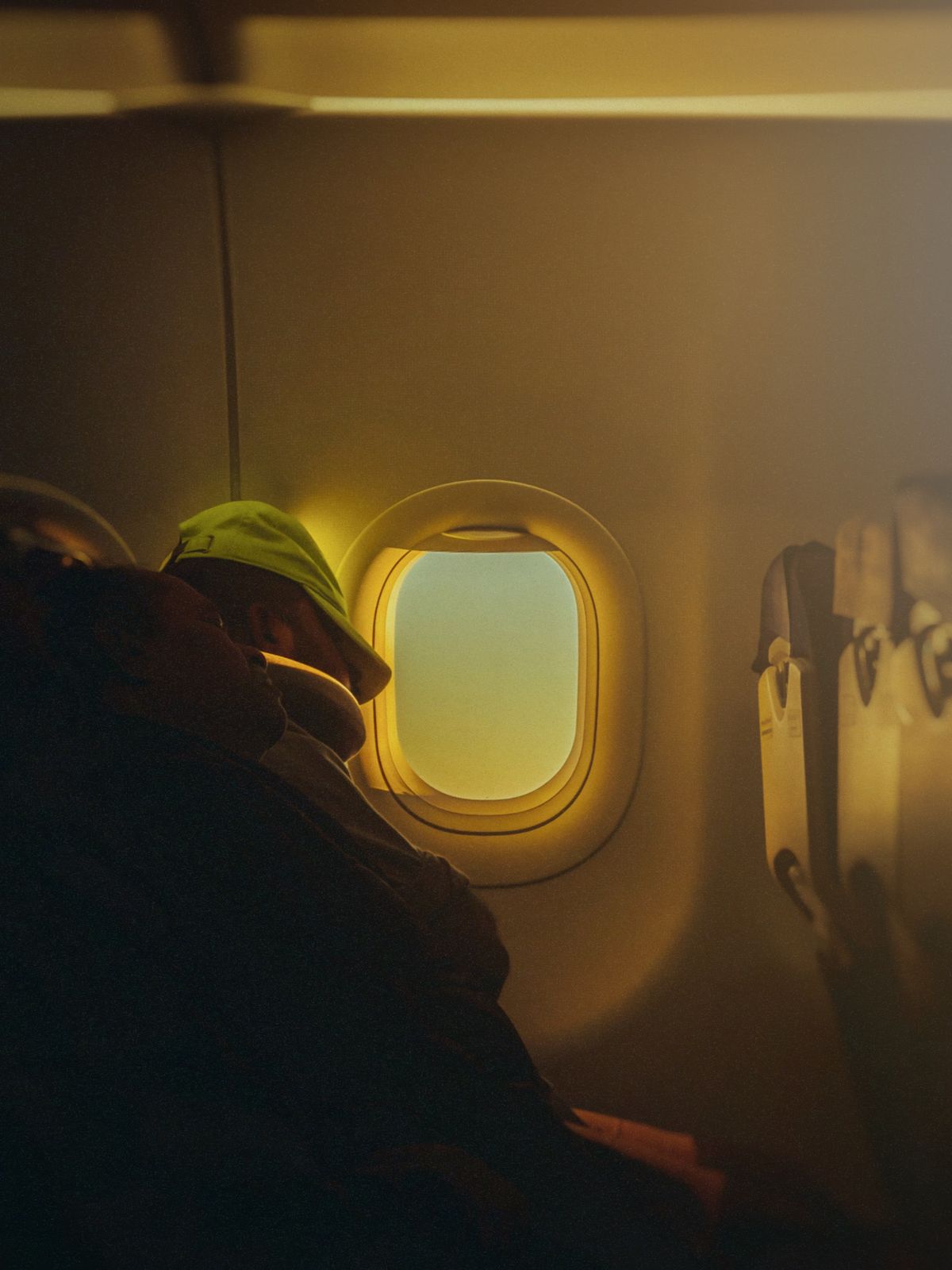 60-SEC READ
Why is jet lag worse when you fly east?
Your body clock runs a little longer than 24 hours, so stretching your day by flying west is easier than squeezing it by flying east.
Full write-up · 4 sources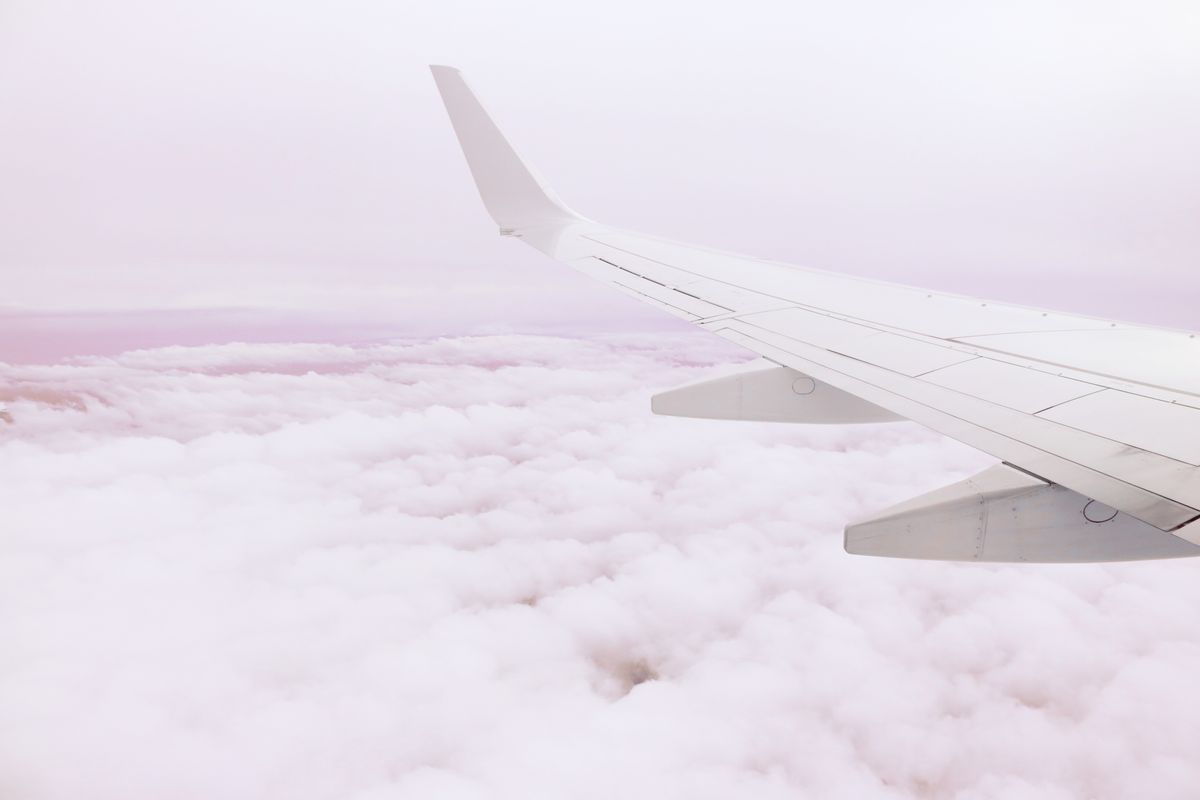 60-SEC READ
Why do planes fly at 35,000 feet?
Thin air means less drag and better fuel economy, and cruising that high keeps jets above much of the weather. Go too high, though, and wings and engines run short of air.
Full write-up · 3 sources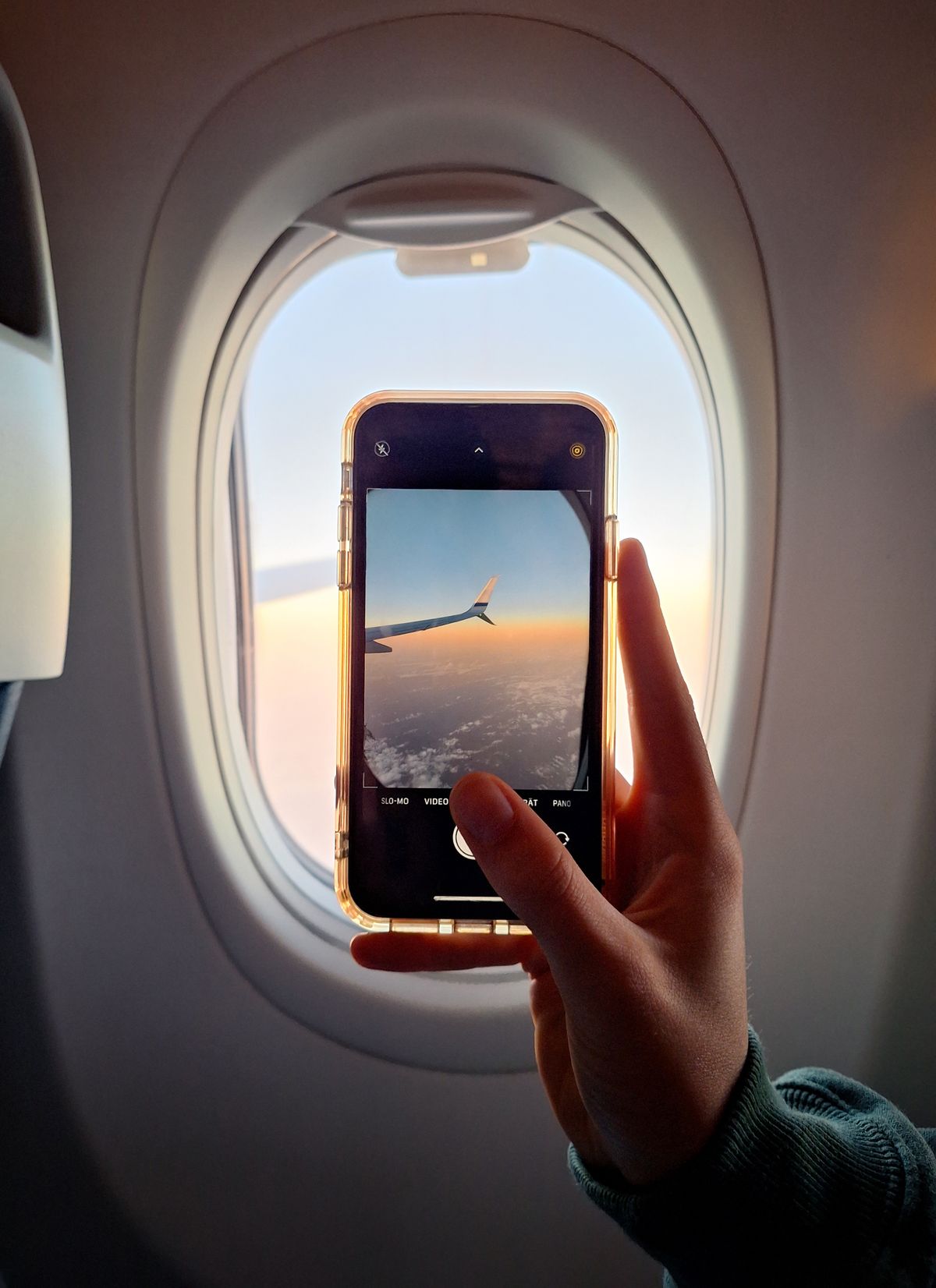 60-SEC READ
Why do you have to use airplane mode on a plane?
Two reasons: protecting cell networks on the ground and making sure phones can’t interfere with a plane’s systems. The U.S. still bans in-flight cellular use; Europe allows onboard 5G.
Full write-up · 5 sources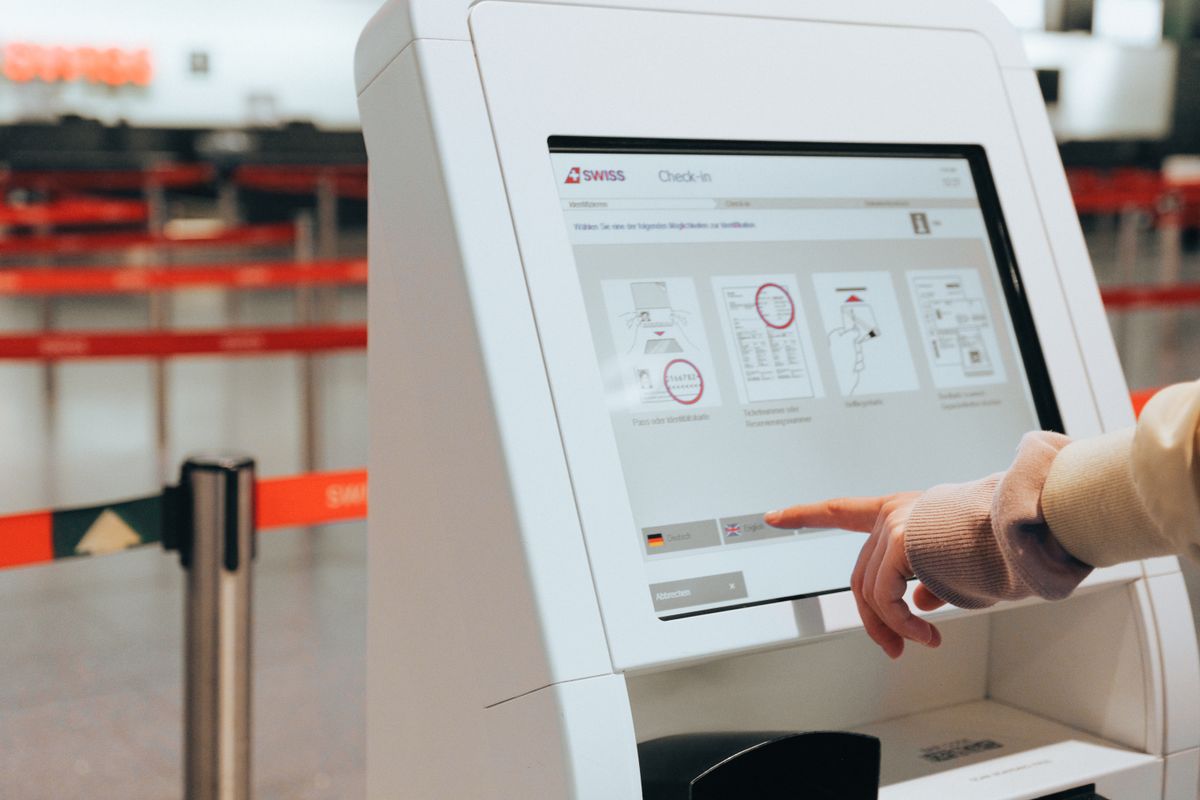 60-SEC READ
Do you really need a REAL ID to fly?
Not exactly. Since May 7, 2025, adults need a REAL ID or another accepted ID, like a passport, at airport security. Without one, TSA now charges $45 to verify you another way.
Full write-up · 7 sources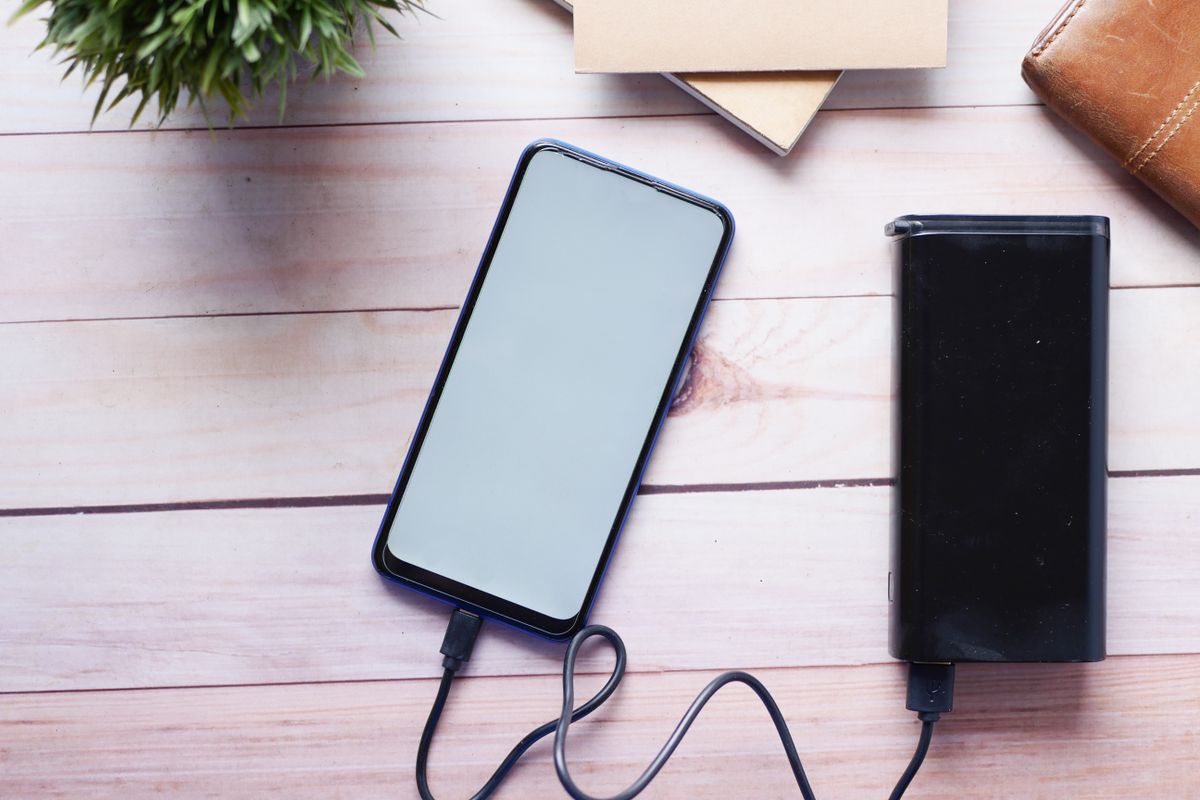 60-SEC READ
Why can’t you pack lithium batteries in checked bags?
A damaged or overheating lithium battery can catch fire. In the cabin, the crew can spot it and put it out; in the cargo hold, no one would see it. So spare batteries and power banks go in your carry-on.
Full write-up · 5 sources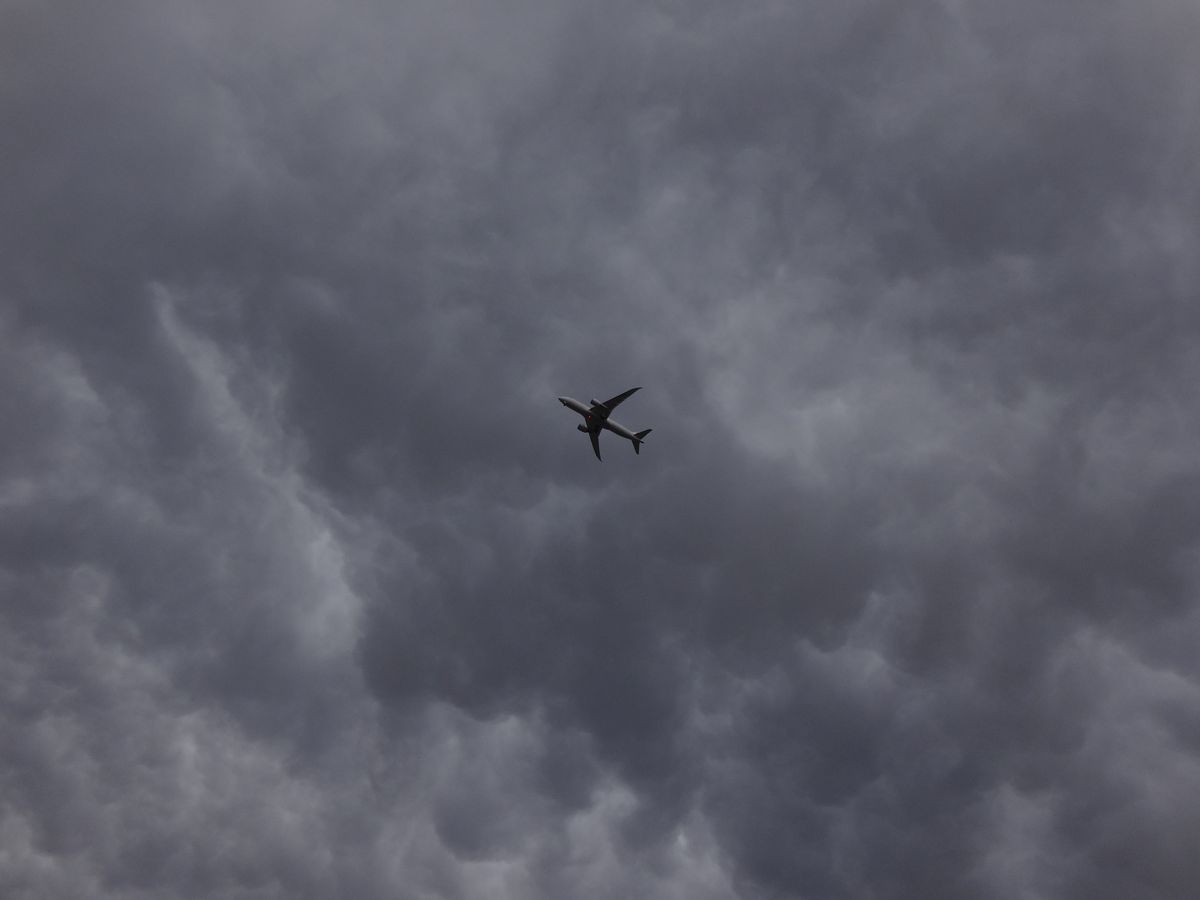 60-SEC READ
Is turbulence getting worse?
In some places, yes. Severe clear-air turbulence over the North Atlantic rose 55% from 1979 to 2020, linked to climate change. It rarely endangers the plane, but it can hurt people who aren’t buckled in.
Full write-up · 4 sources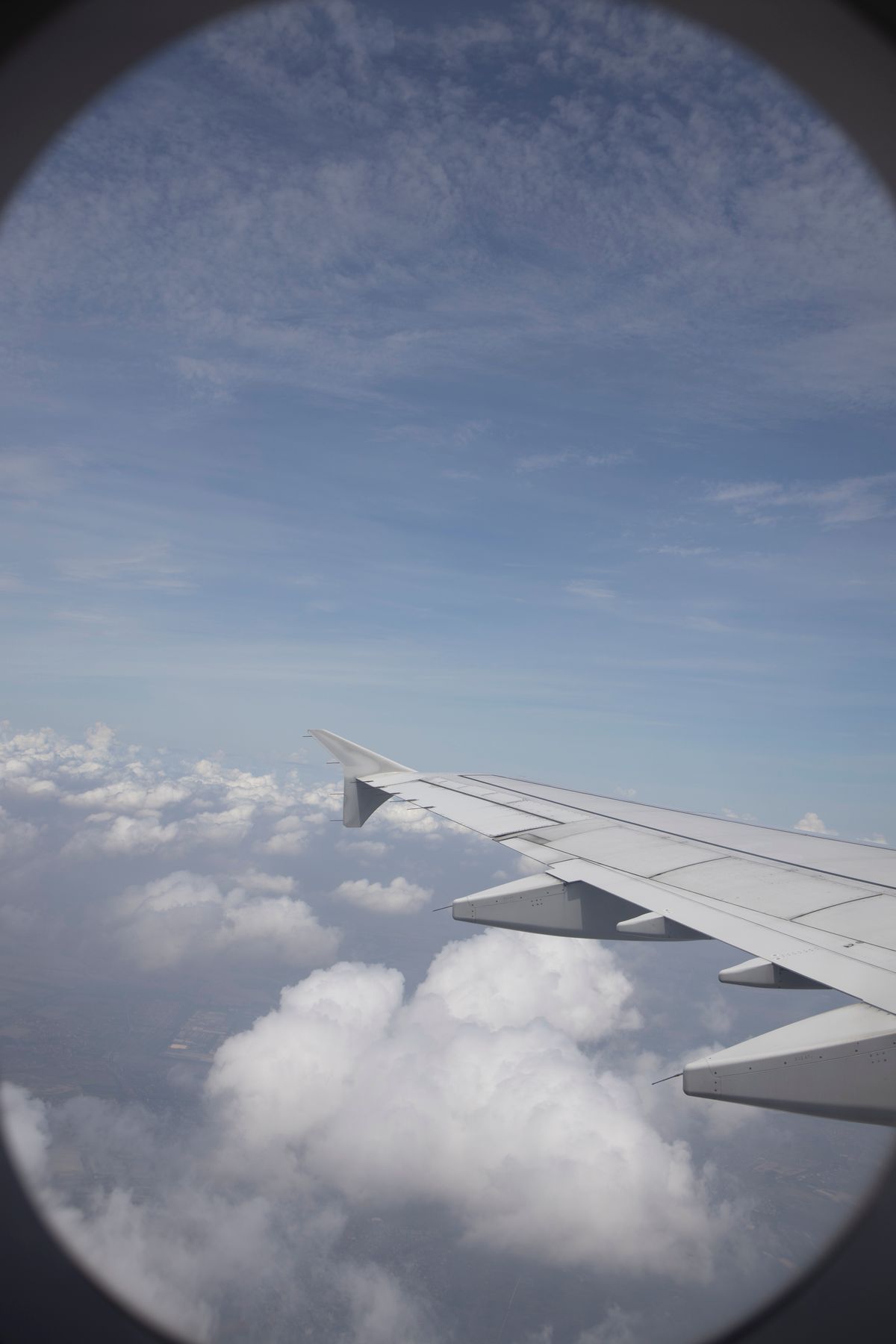 60-SEC READ
Why are airplane windows round?
To stop cracks. After two Comet jetliners broke up in 1954, investigators blamed metal fatigue that started at a sharp-cornered opening, and airliners have used rounded corners ever since.
Full write-up · 4 sources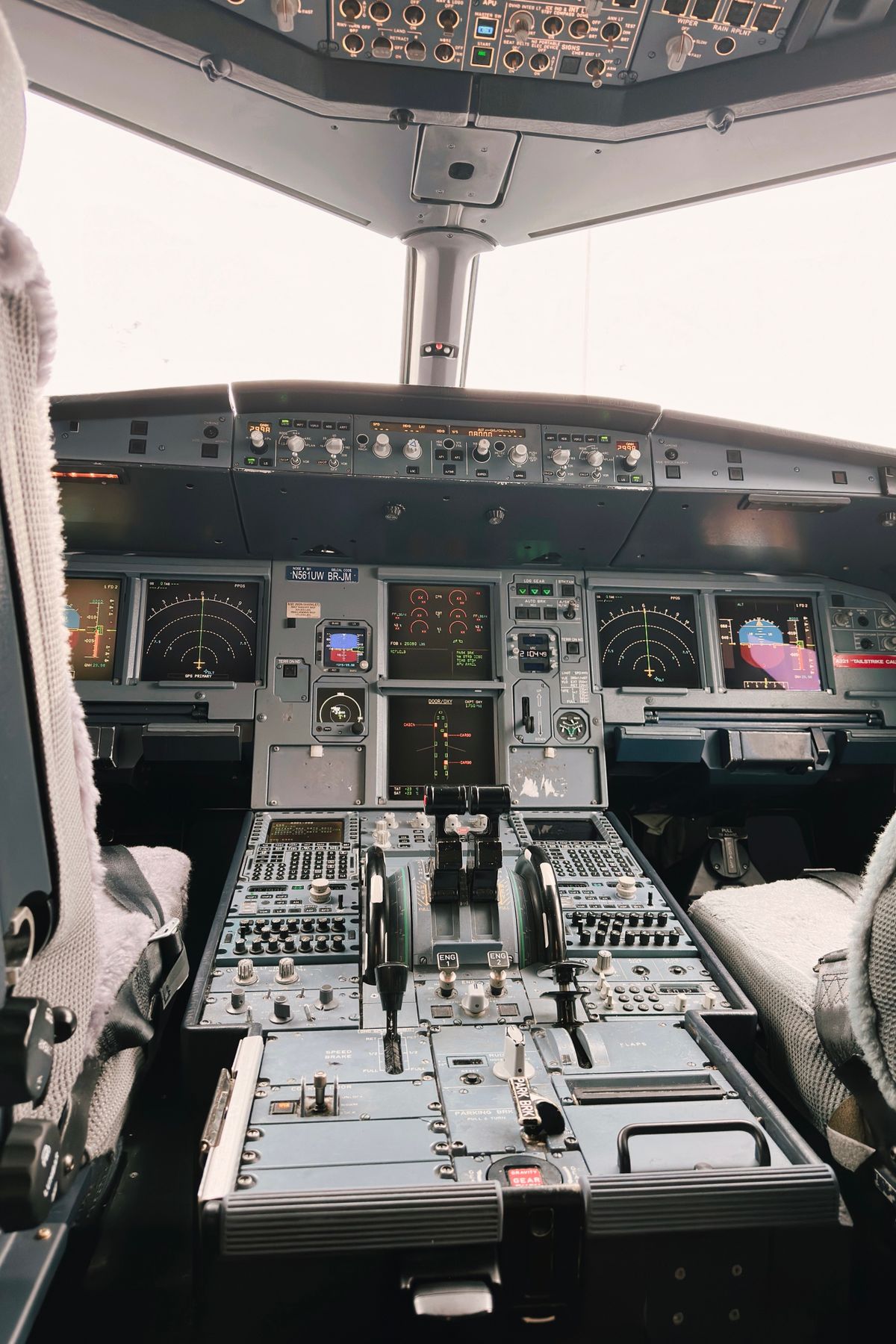 60-SEC READ
How does a plane’s black box survive a crash?
It’s built like a tank, and it isn’t black. Two bright-orange recorders sit inside steel or titanium shells designed to survive a 3,400-g impact, hours of fire and the pressure of deep water.
Full write-up · 5 sources 60-SEC READ
How long was the Wright brothers’ first flight?
Twelve seconds. On December 17, 1903, Orville Wright flew 120 feet near Kitty Hawk, North Carolina. The brothers made four flights that day, and the longest, by Wilbur, covered 852 feet in 59 seconds.
Full write-up · 6 sources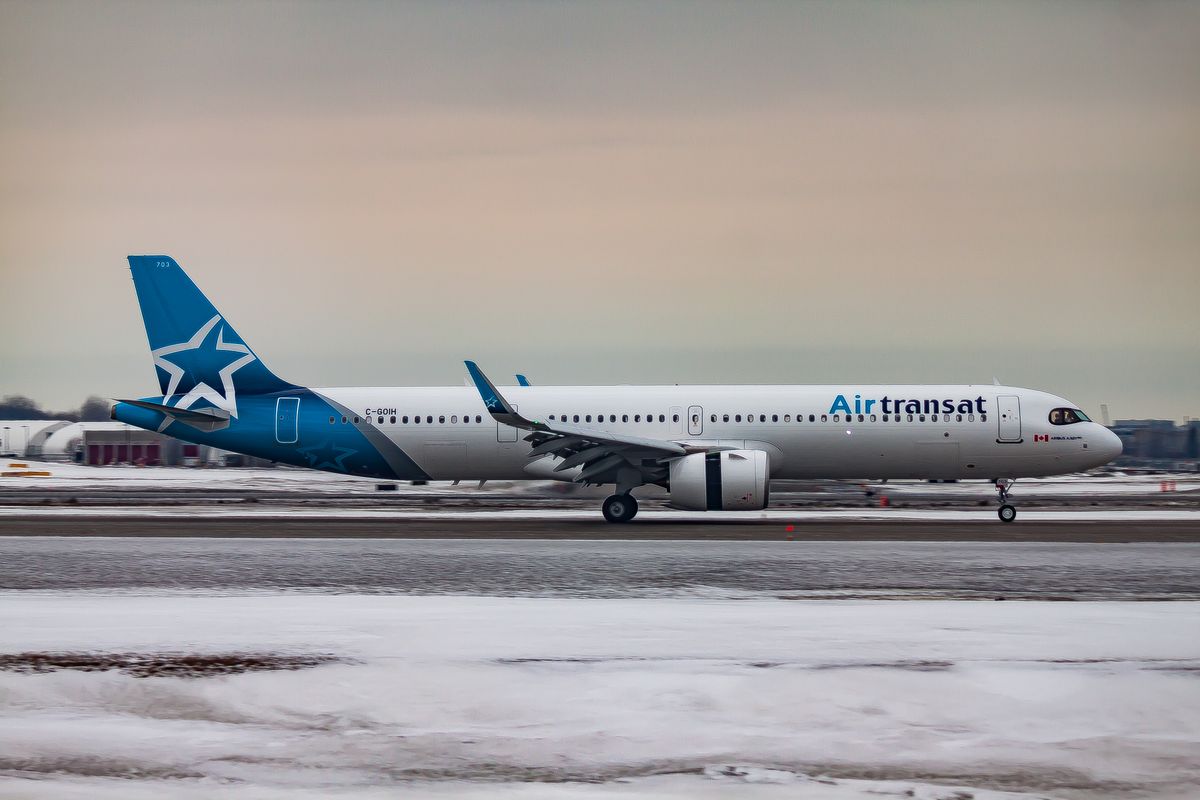 60-SEC READ
Why do airlines de-ice planes?
Because even a thin layer of ice, snow or frost can ruin a wing’s lift. Planes must take off with clean surfaces, so crews spray them with fluid, and thickened fluid thins out and blows off during takeoff.
Full write-up · 5 sources