Science
Everyday science, explained: why the sky is blue, why leaves turn red and gold, and what really happens when you crack your knuckles.
 60-SEC READ
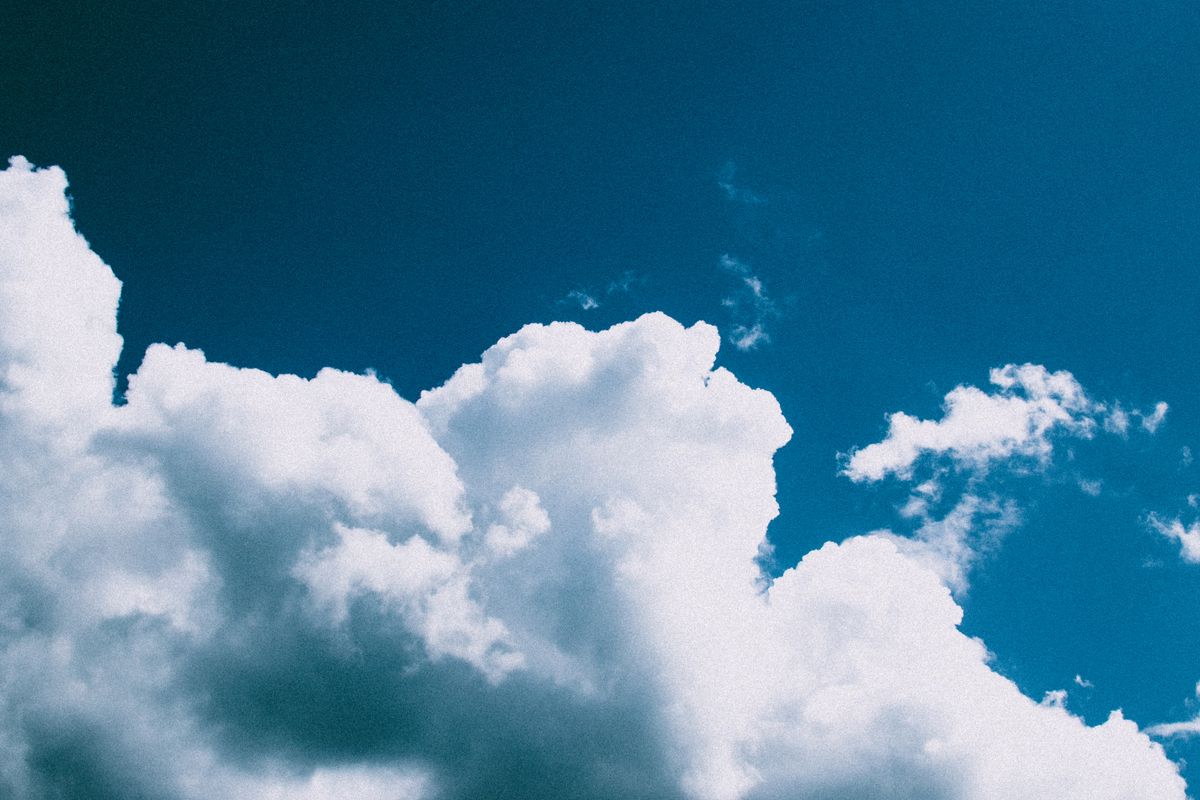
Why is the sky blue?
Air molecules scatter shorter wavelengths of visible sunlight more strongly than longer wavelengths, sending blue light across the sky toward your eyes.
Full write-up · 4 sources 60-SEC READ
Is cracking your knuckles bad for you?
Research hasn’t linked it to arthritis. The pop comes from a gas cavity forming in joint fluid, and one doctor cracked only one hand for 60 years to test it.
Full write-up · 5 sources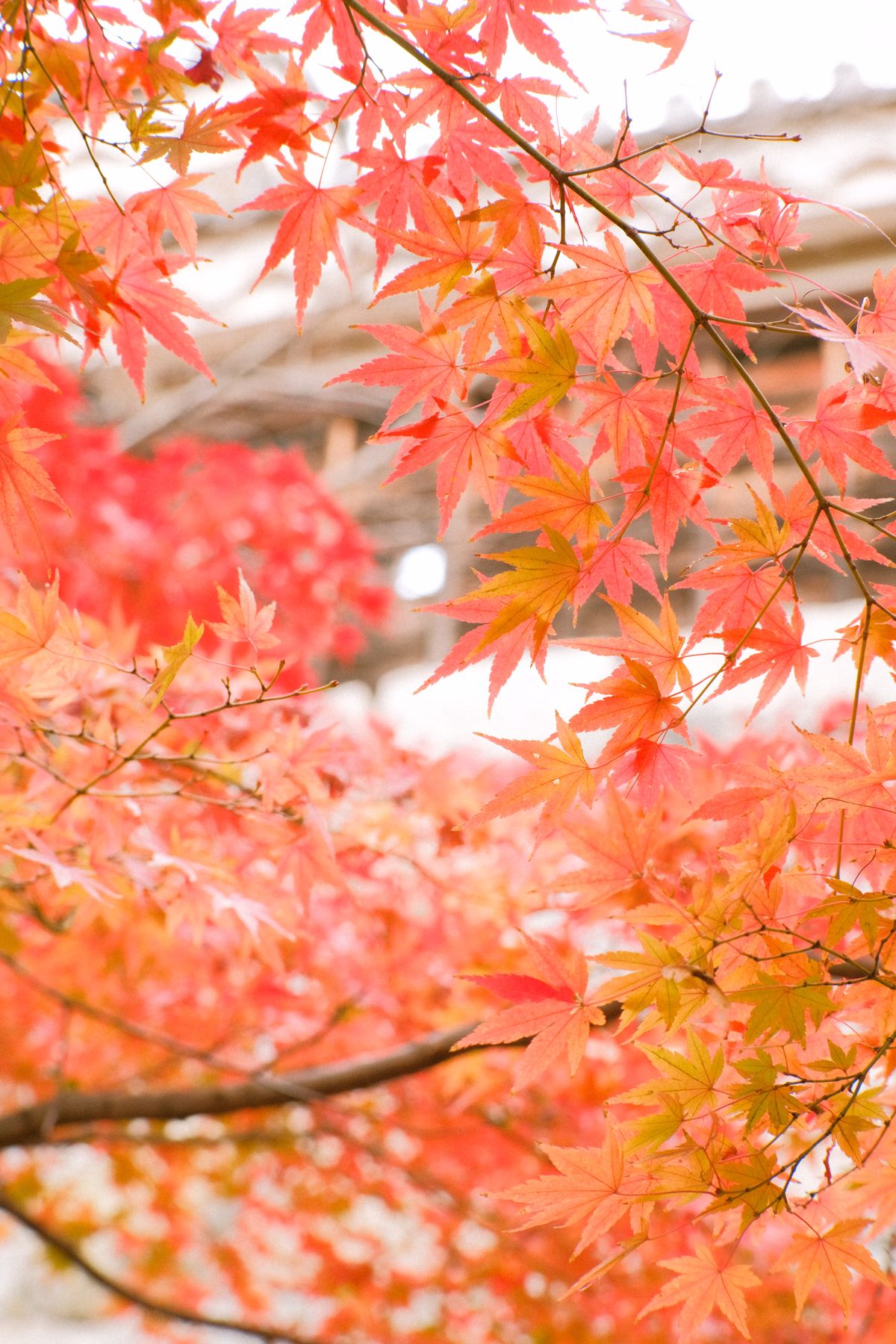 60-SEC READ
Why do leaves change color in fall?
As nights lengthen, trees stop making green chlorophyll. That reveals yellows and oranges that were there all summer, while the reds are made fresh in autumn.
Full write-up · 3 sources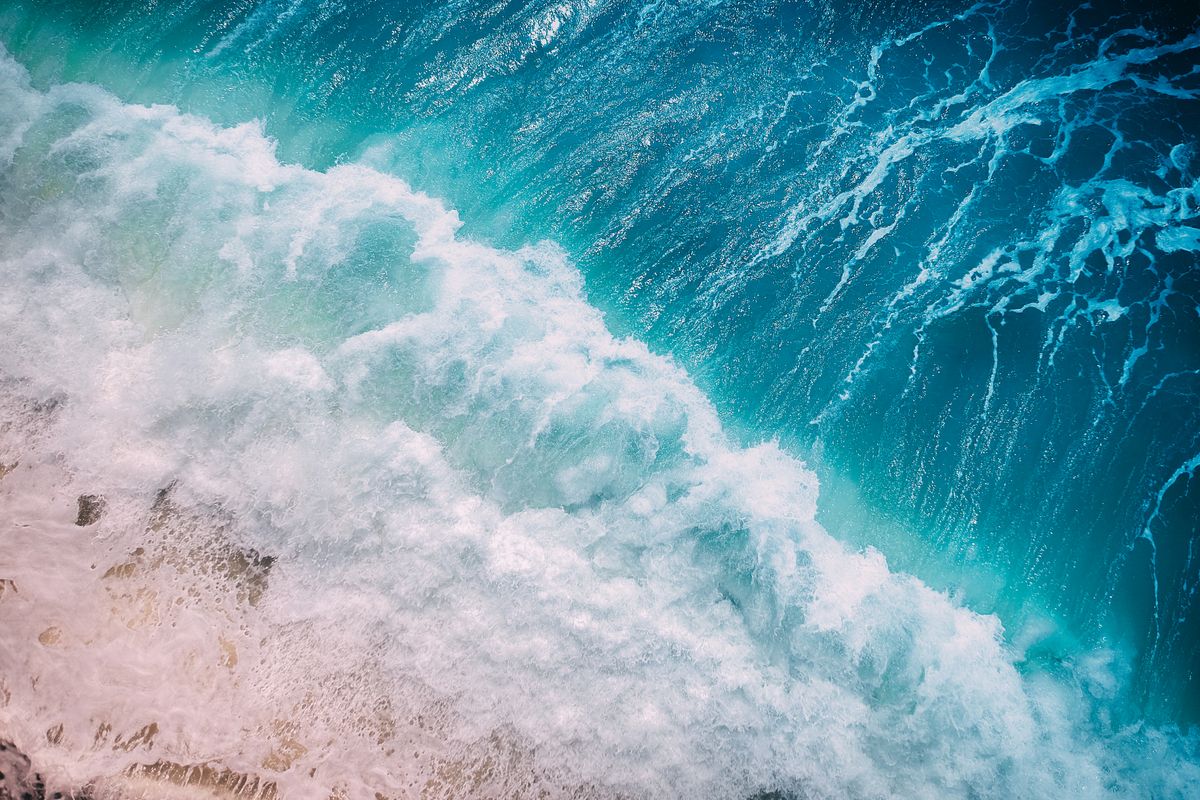 60-SEC READ
Why is the ocean salty?
Rain slowly dissolves minerals from rocks on land, and rivers carry them to the sea. When seawater evaporates, the salt stays behind, so it has built up over a very long time.
Full write-up · 4 sources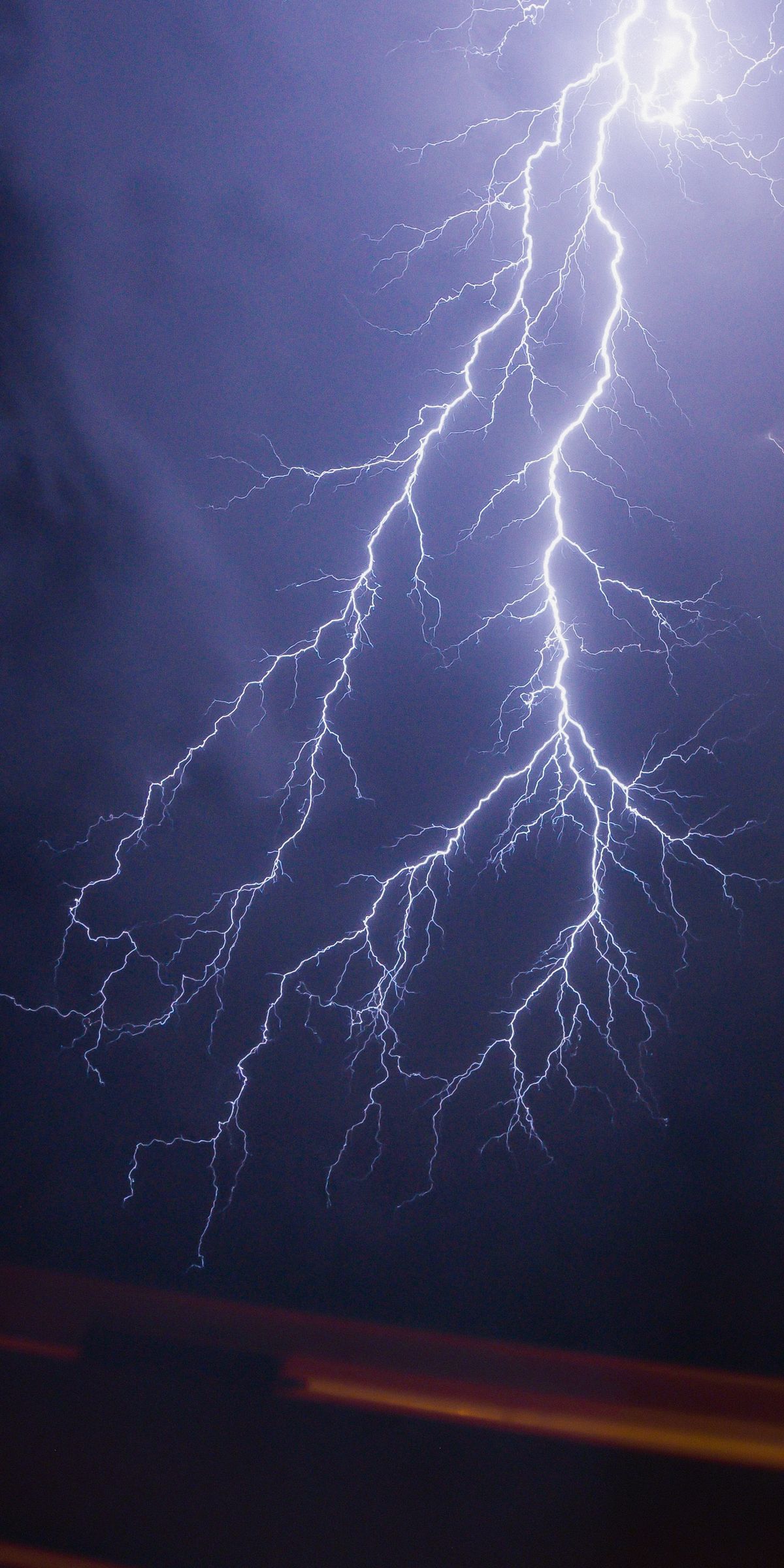 60-SEC READ
What causes thunder?
Lightning heats the air around it to as much as 50,000°F in an instant. The air expands so violently it creates a shock wave, and that’s the boom or rumble we hear.
Full write-up · 5 sources 60-SEC READ
Why does your phone charge fast at first, then slow down?
Because lithium-ion batteries charge in two stages. They take a strong, steady current up to roughly 70 to 80%, then the charger holds the voltage steady and the current tapers off to protect the battery.
Full write-up · 5 sources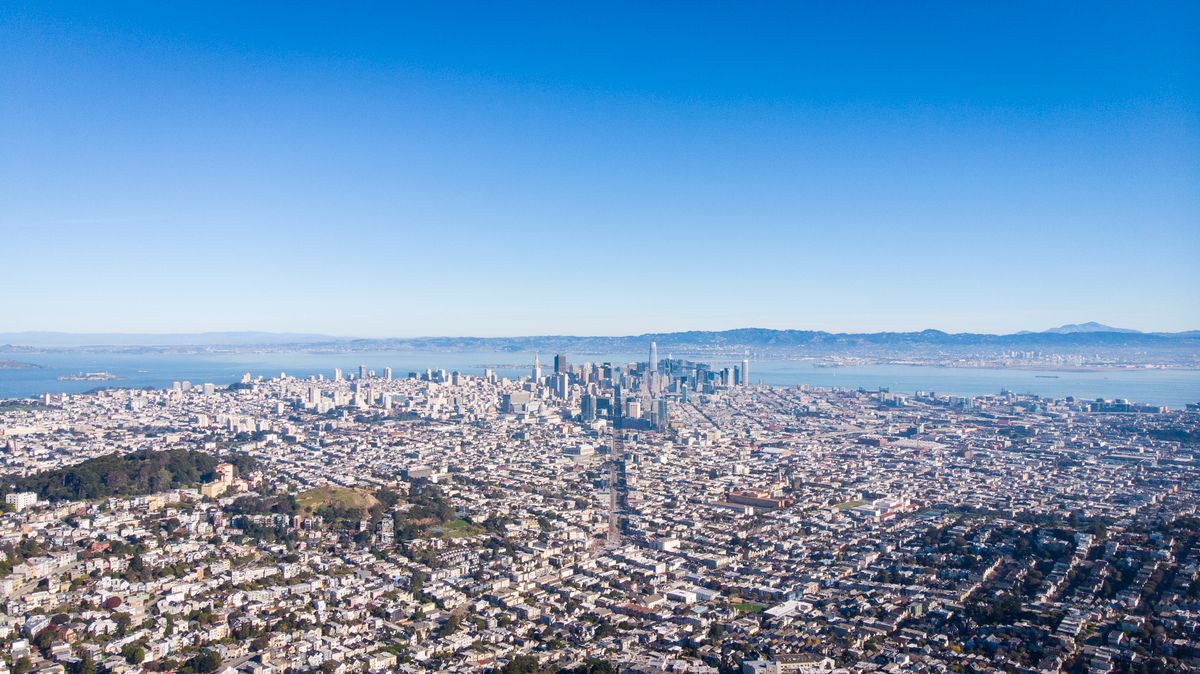 60-SEC READ
Why can’t we predict earthquakes?
Because faults give no reliable warning. A real prediction needs a date, a place and a size, and no scientist has ever predicted a major quake. Scientists forecast the odds instead.
Full write-up · 6 sources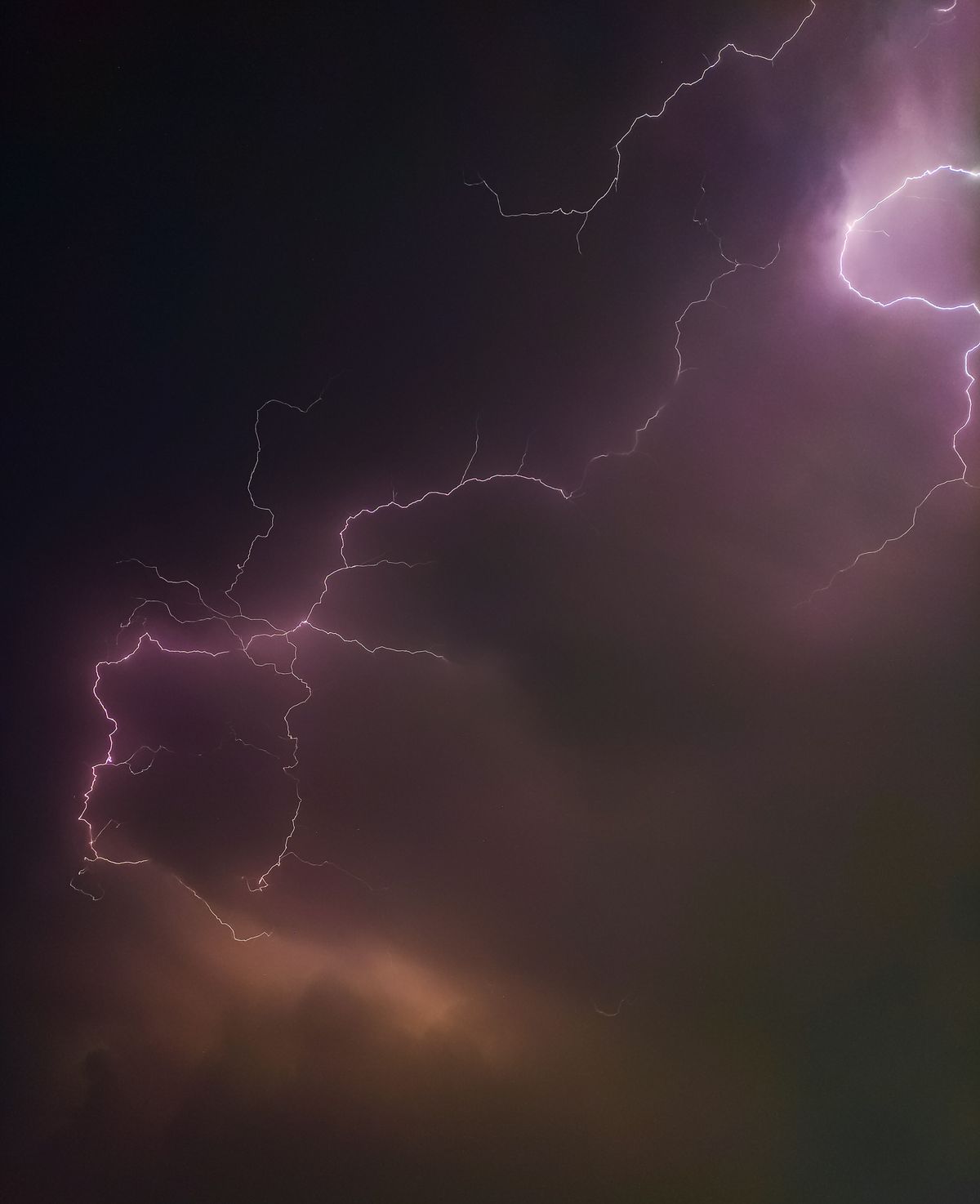 60-SEC READ
What happens when lightning hits an airplane?
Usually not much. The plane’s skin carries the current around the cabin and back out into the air. The average airliner is struck about once a year, and fuel-system protections were tightened after a 1963 crash.
Full write-up · 5 sources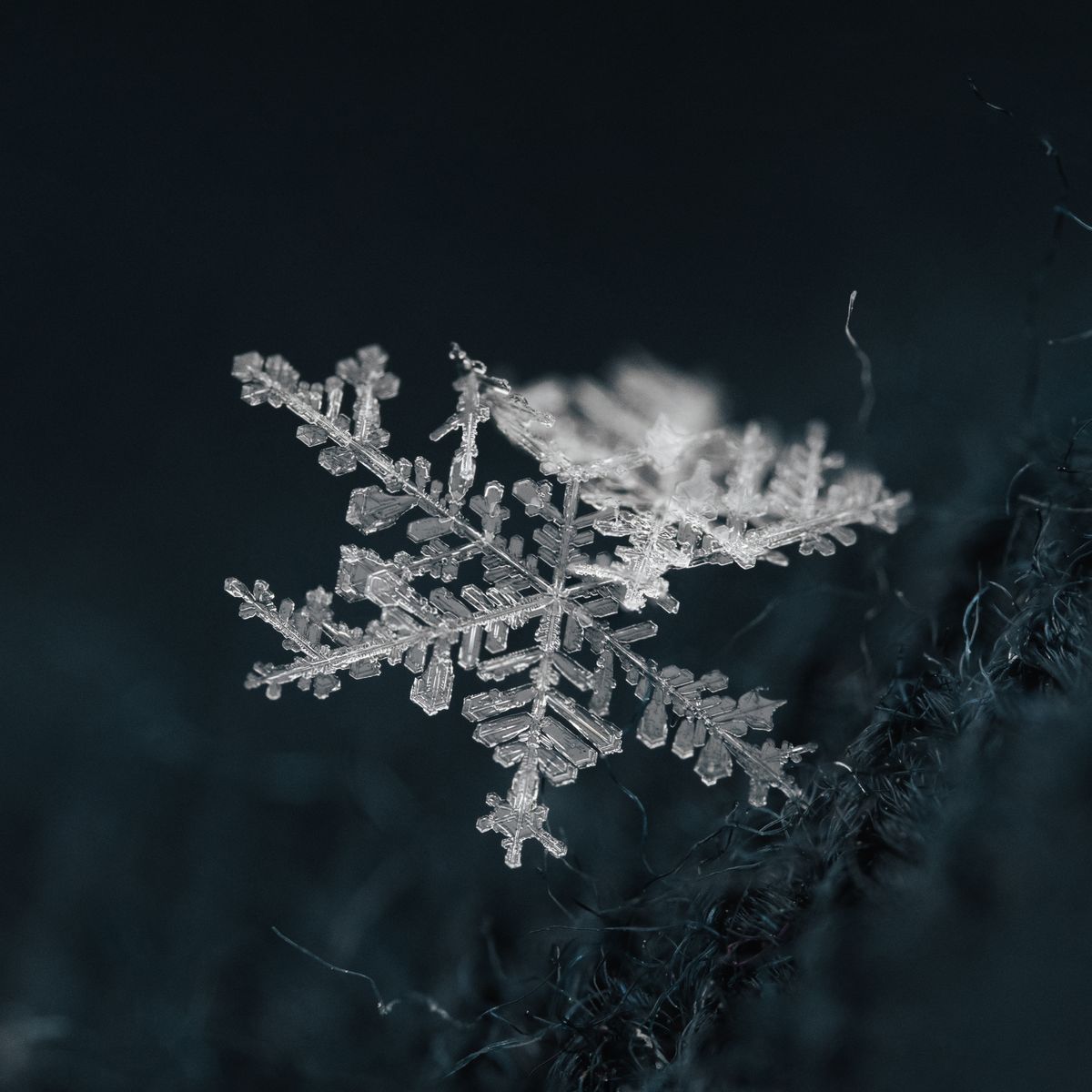 60-SEC READ
Why do snowflakes have six sides?
Because of how water molecules link up when they freeze. Ice grows in a six-fold, hexagonal pattern, and the temperature and humidity a flake passes through on the way down decide the rest of its shape.
Full write-up · 5 sources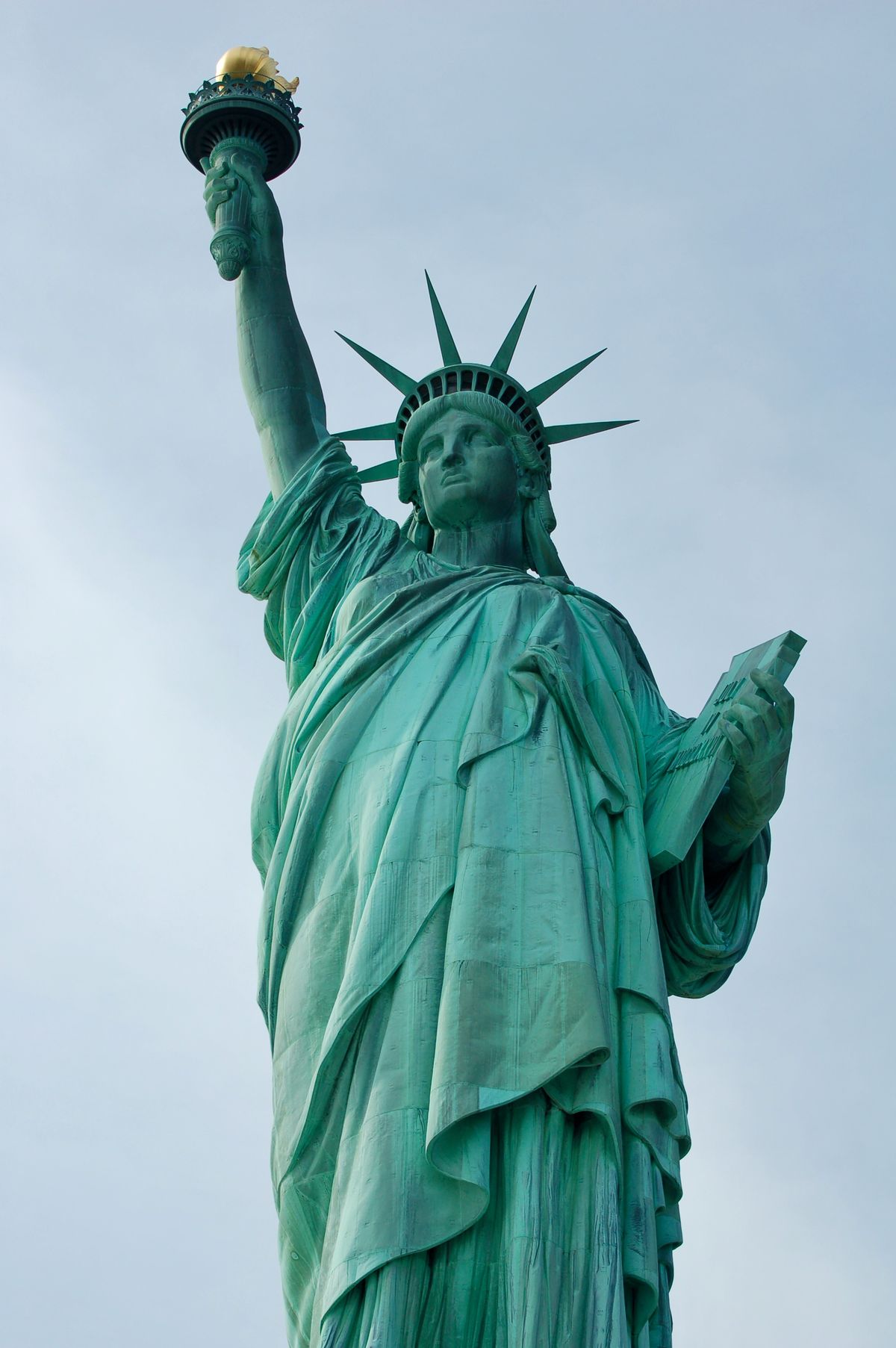 60-SEC READ
Why is the Statue of Liberty green?
Because its copper skin oxidized. Dedicated in 1886 as shiny, penny-colored copper, the statue slowly weathered into a protective green layer called a patina, a change that took roughly two to three decades.
Full write-up · 6 sources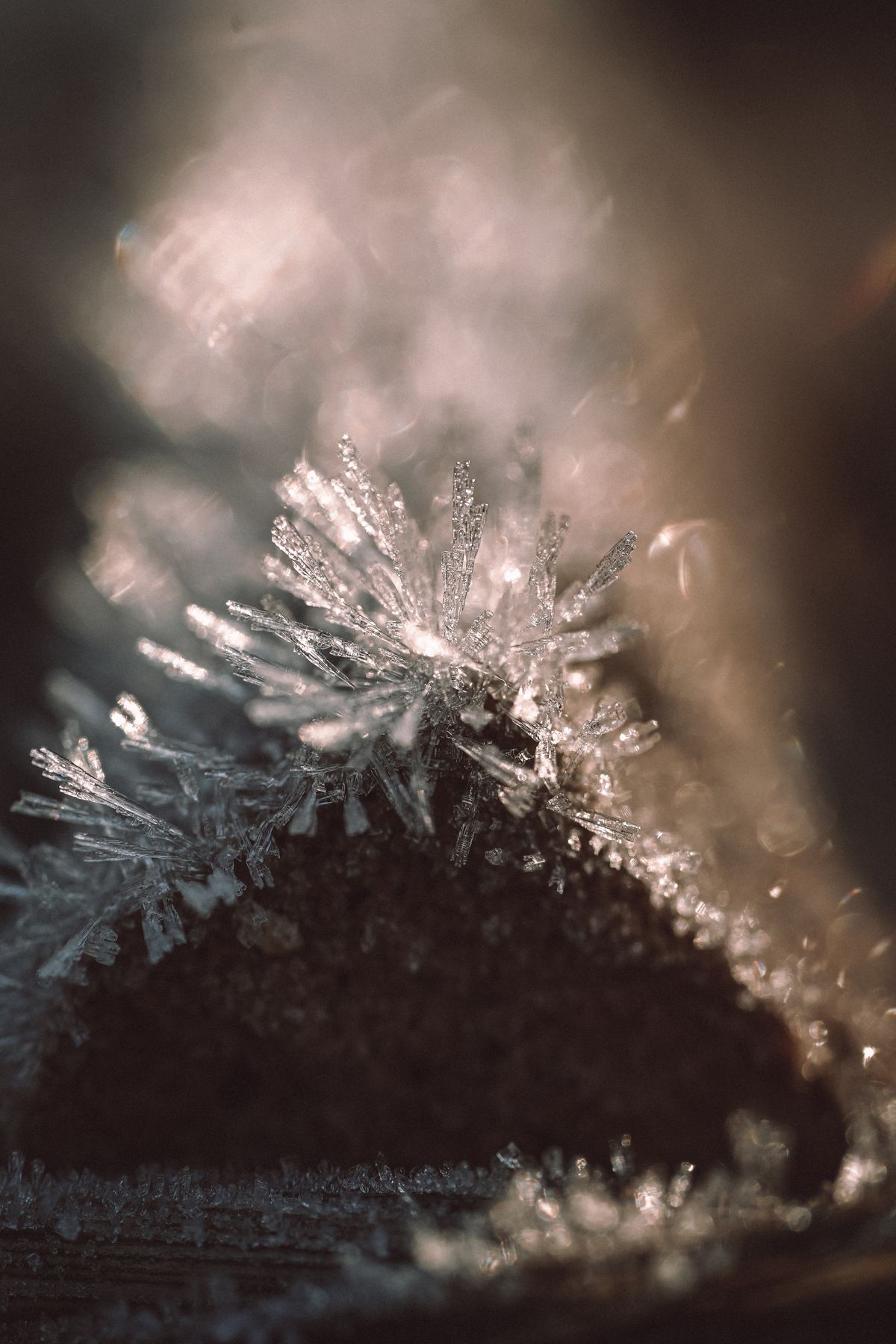 60-SEC READ
Why does salt melt ice?
Because salt lowers water’s freezing point. Dissolved in the thin film of water on ice, it makes a salty liquid that can’t freeze at 32°F, so the ice melts. Plain rock salt works down to about 15°F.
Full write-up · 6 sources