Wild
How animals pull off the seemingly impossible, from hovering hummingbirds and head-banging woodpeckers to purring cats and migrating birds.
 60-SEC READ
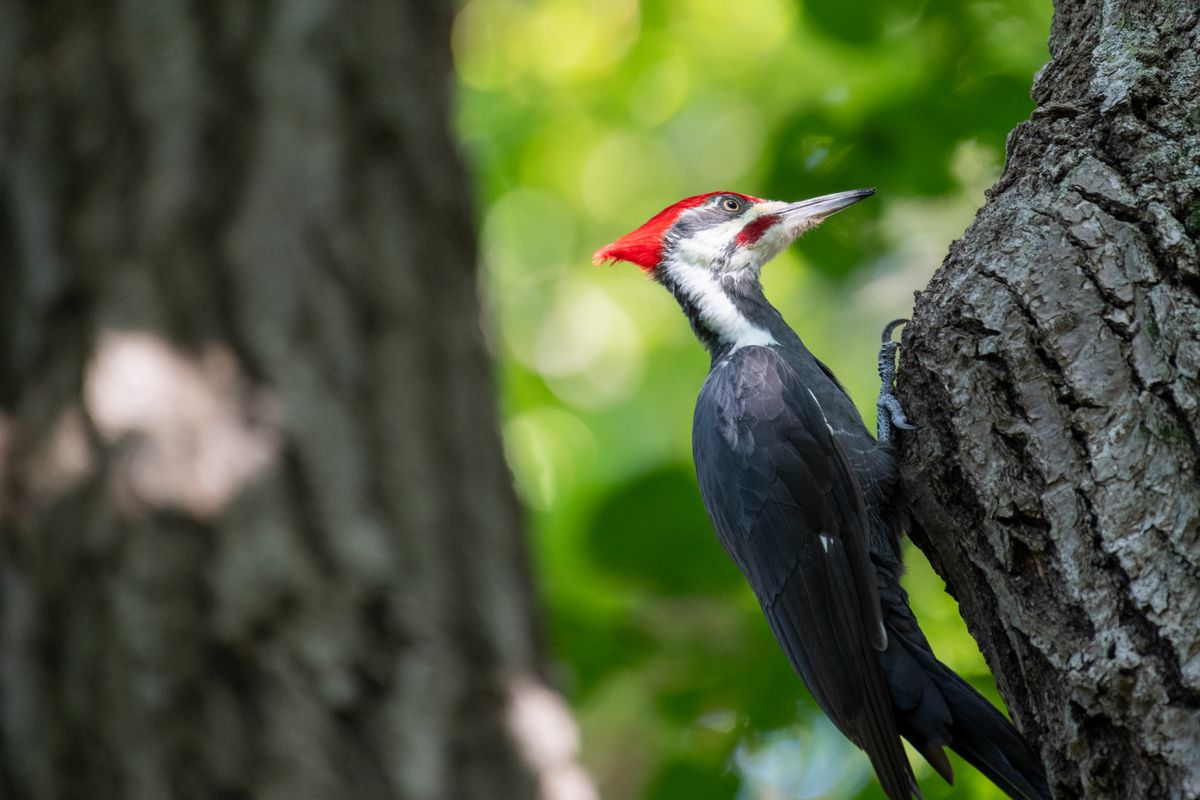
Why don’t woodpeckers get concussions every time they peck?
Their anatomy and pecking mechanics distribute impact very differently from a human head impact. Scientists still debate exactly which features matter most.
Full write-up · 2 sources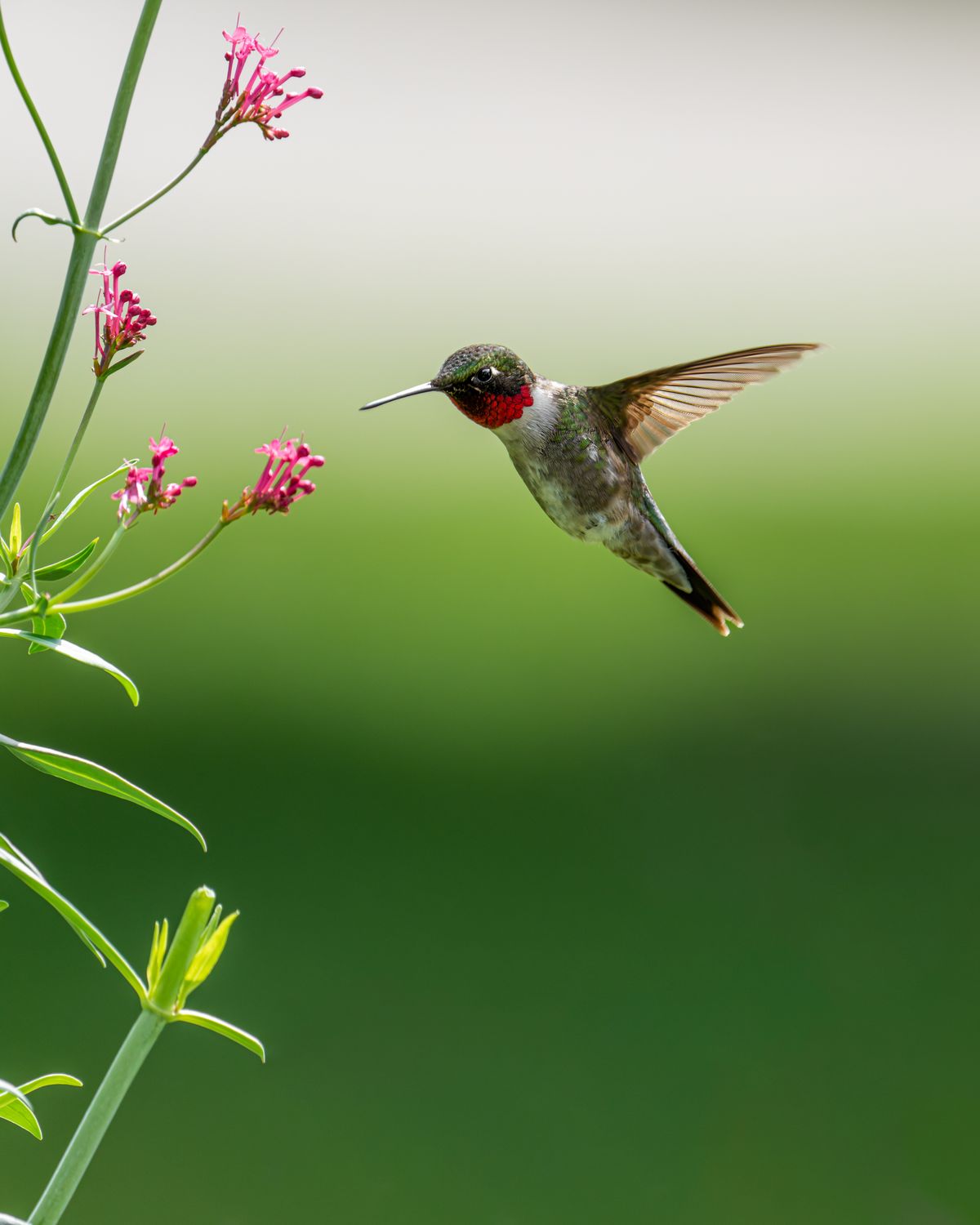 ▶ 60 SEC
Why can hummingbirds hover and fly backward?
Hummingbirds can hover because their shoulder anatomy and rapid wing rotation let them generate lift through much of the wingbeat, including while reversing direction.
Full write-up · 4 sources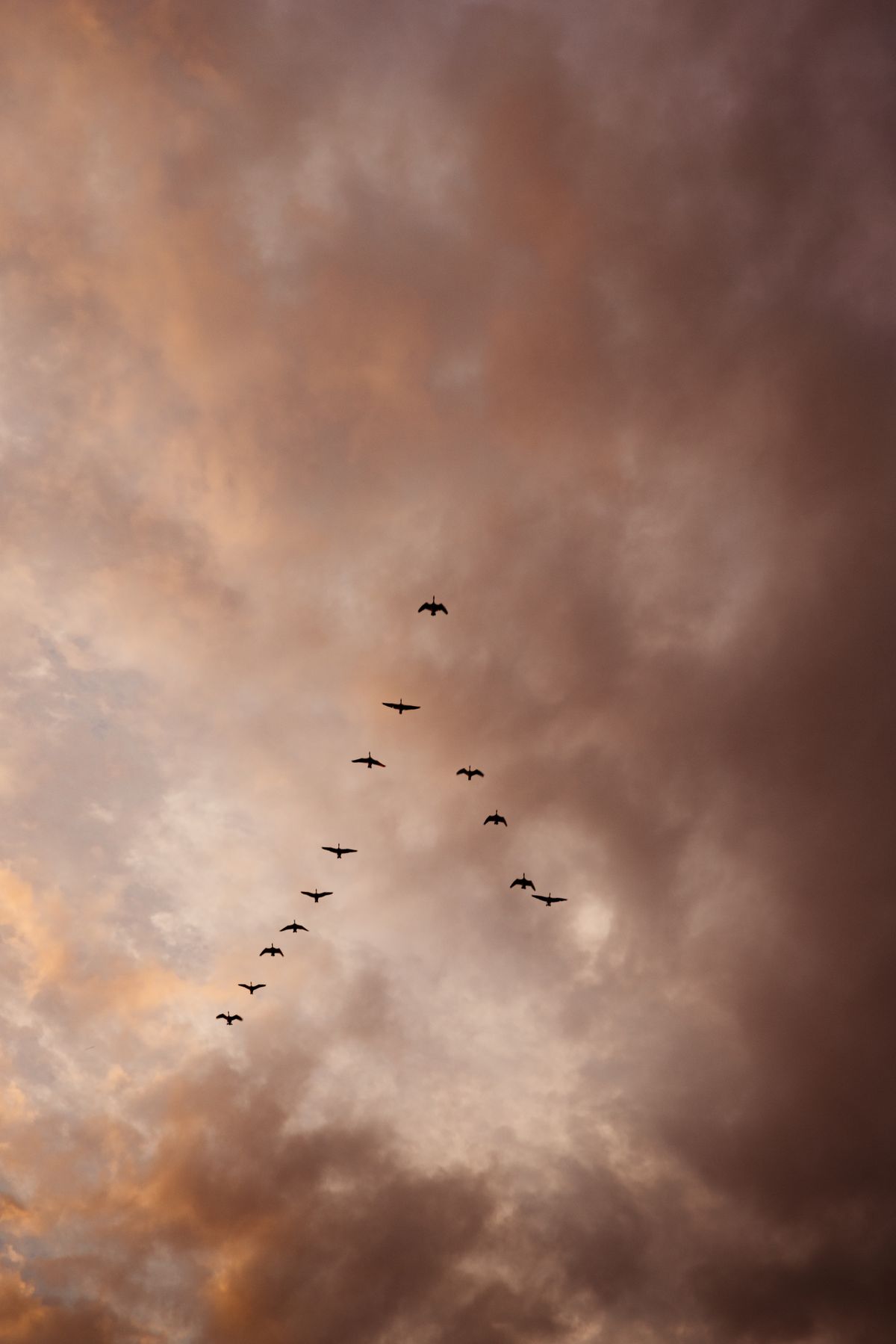 60-SEC READ
How do birds know where to migrate?
Migrating birds carry a navigation kit: a magnetic sense tied to a protein in their eyes, sun and star compasses, and an inborn sense of direction.
Full write-up · 5 sources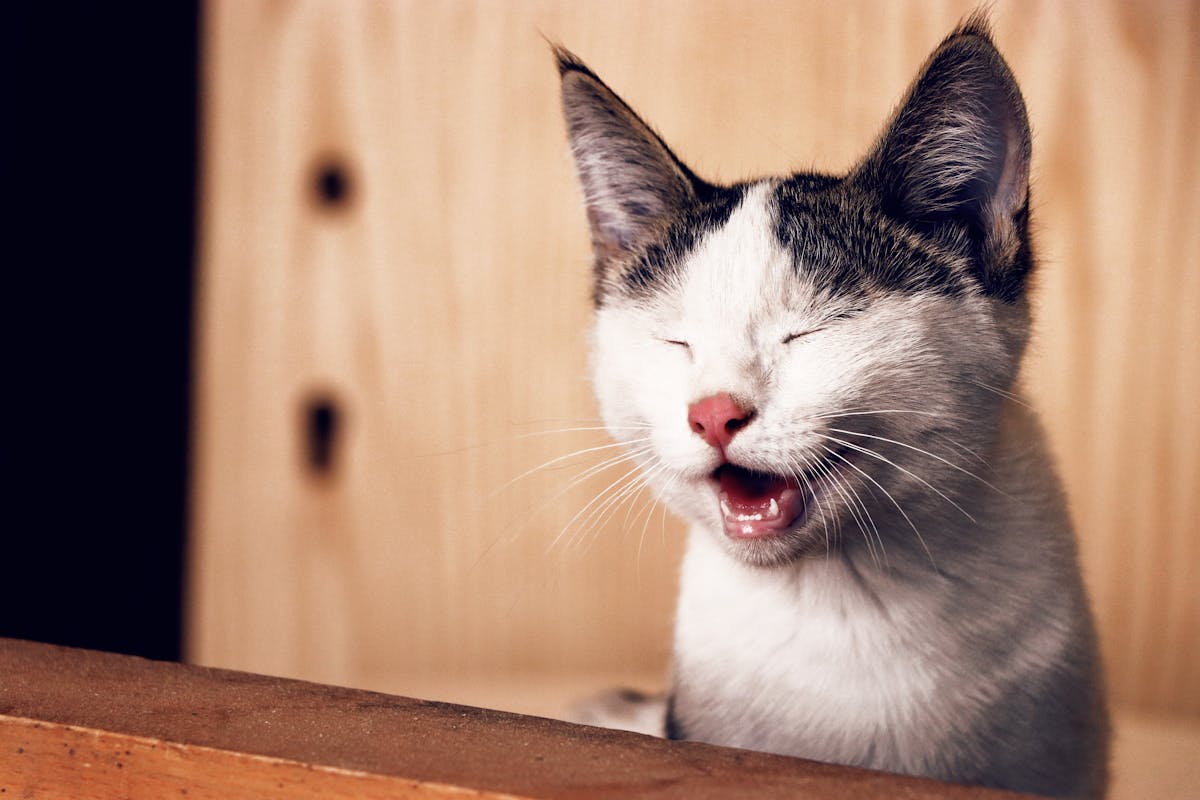 60-SEC READ
Why do cats purr?
Purring isn’t just contentment; cats use it to communicate, even hiding a “feed me” cry inside it. A 2023 lab study found the cat voice box can make purr-range sounds without muscle input.
Full write-up · 4 sources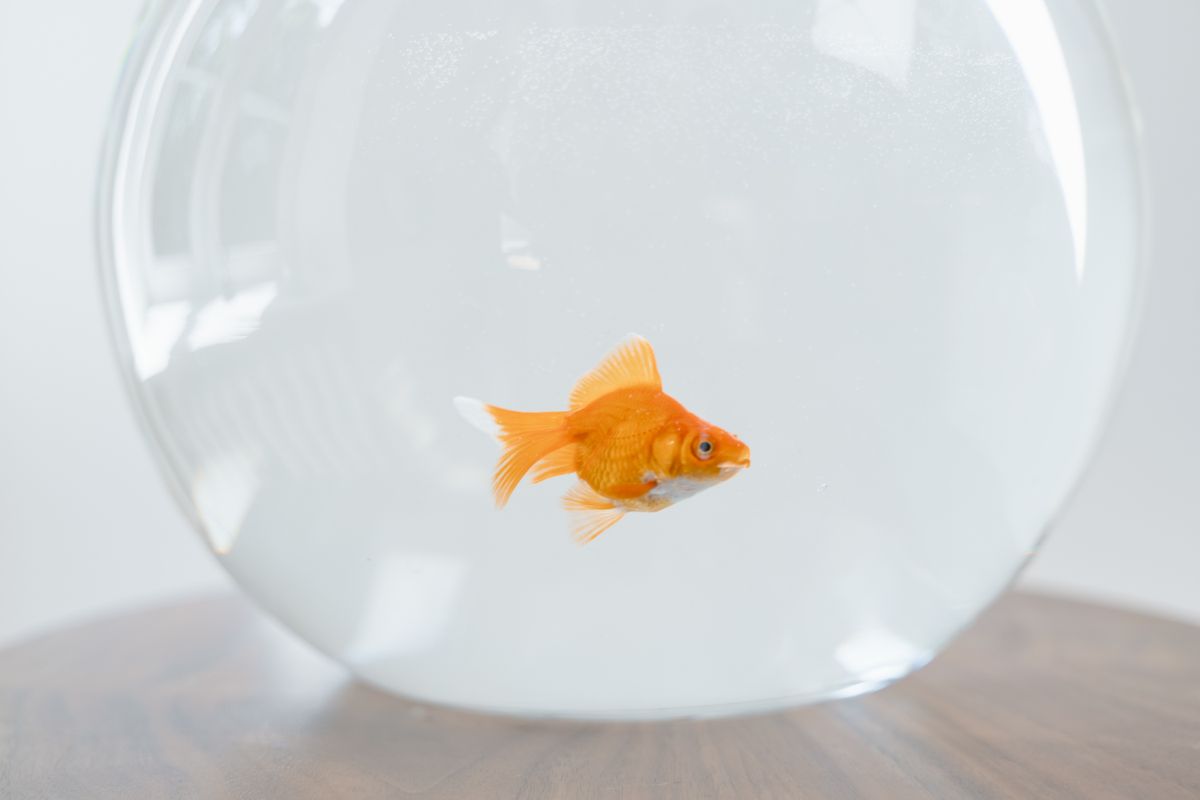 60-SEC READ
Do goldfish really have a 3-second memory?
No. Experiments going back to the 1960s show goldfish learn tasks, keep to schedules and remember far longer than three seconds. The claim has no scientific basis.
Full write-up · 4 sources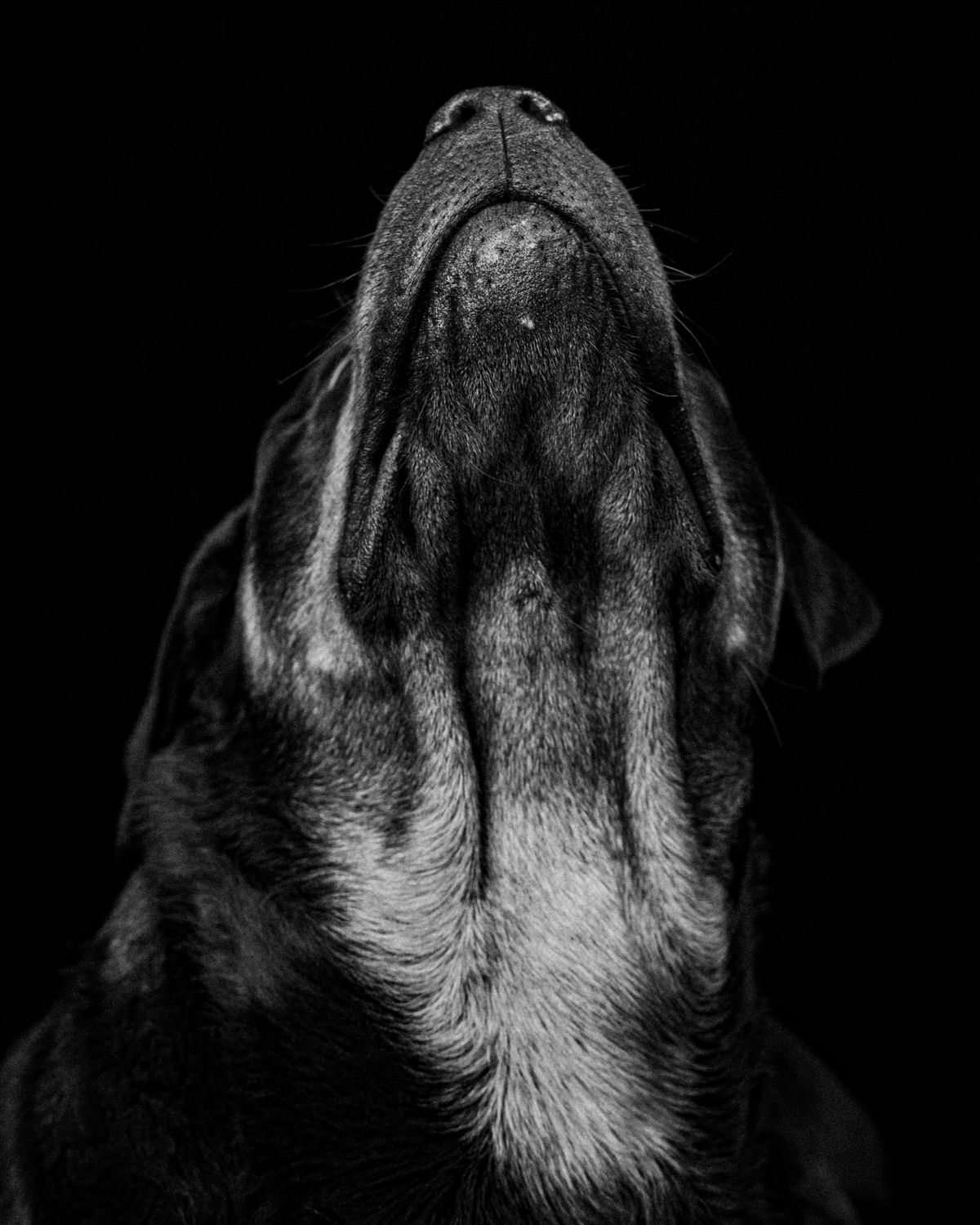 60-SEC READ
Why do dogs tilt their heads?
Scientists aren’t sure, but a small 2021 study found dogs that know many toy names tilt their heads far more often when they hear one, a hint the tilt goes with concentrating on words.
Full write-up · 5 sources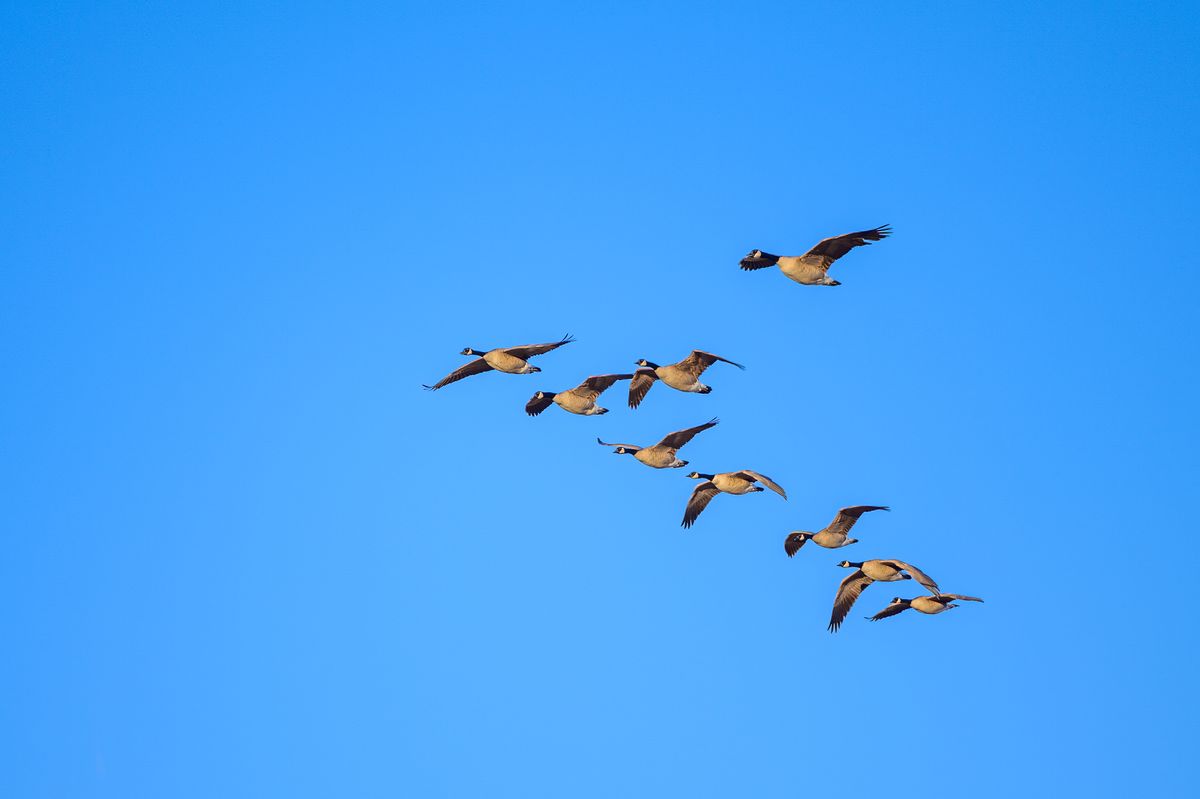 60-SEC READ
Why do geese fly in a V?
To save energy. Each bird rides a pocket of rising air coming off the wingtip of the bird ahead, and the birds take turns in the tiring lead. Studies of pelicans and ibises found savings of about 11 to 14%.
Full write-up · 5 sources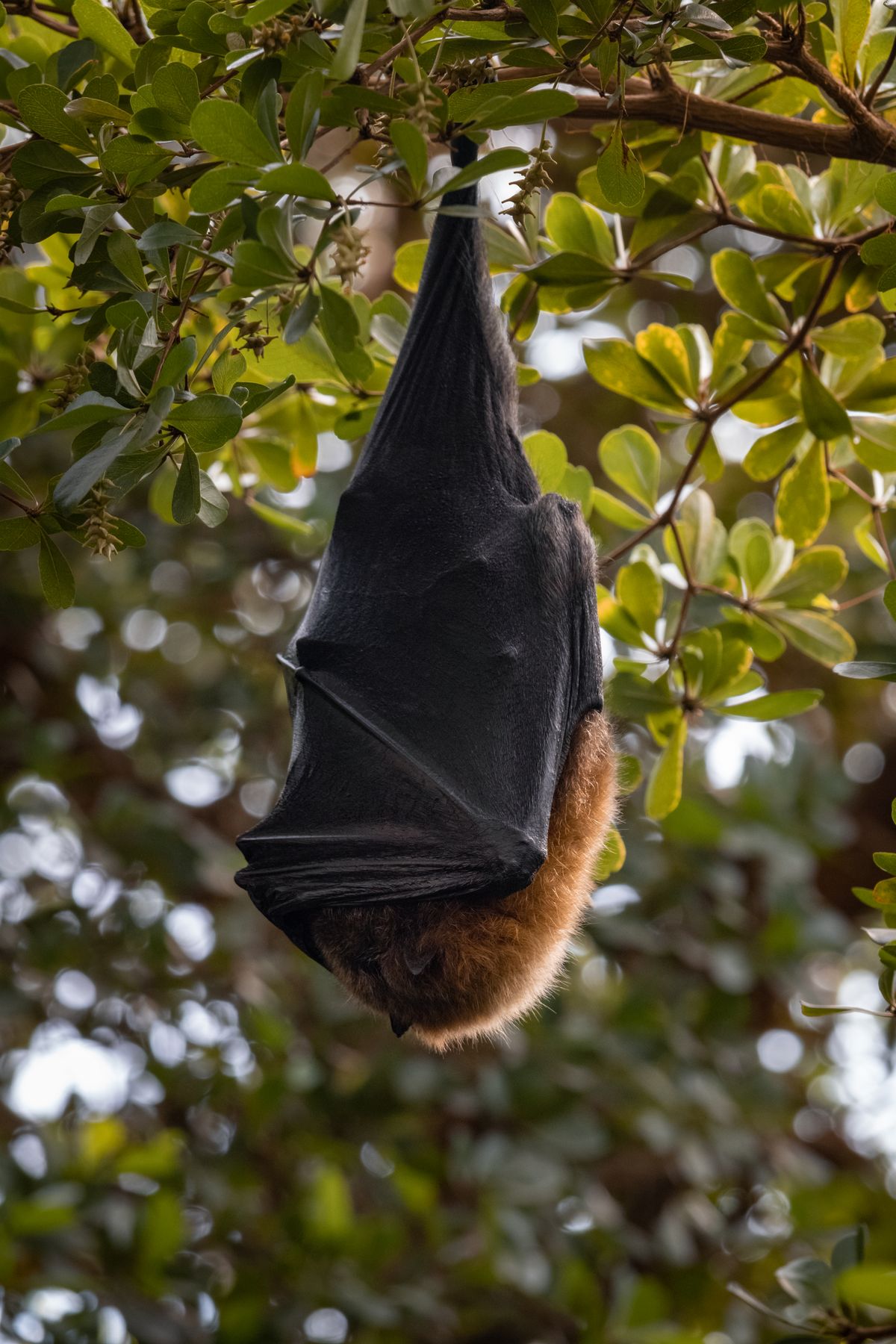 60-SEC READ
Why do bats hang upside down?
Because hanging gives them an easy, gravity-assisted launch. A bat just lets go and drops into flight, and a locking tendon in its feet keeps it hanging with little muscle effort. Takeoff from the ground is harder.
Full write-up · 6 sources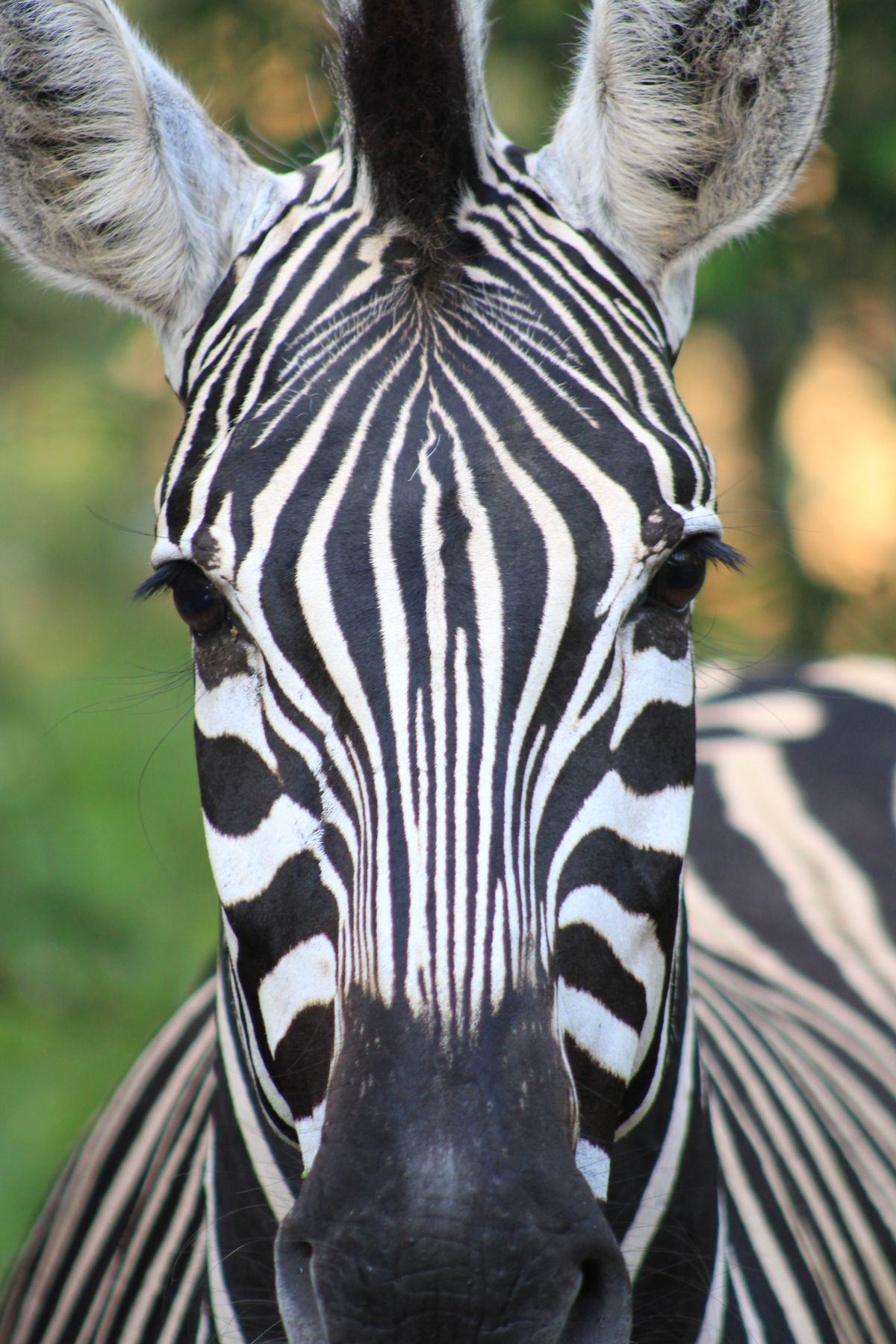 60-SEC READ
Why do zebras have stripes?
Most likely to keep biting flies away. In a 2019 experiment, significantly fewer flies landed on zebras than on horses, and horses wearing striped coats attracted fewer horse flies too.
Full write-up · 5 sources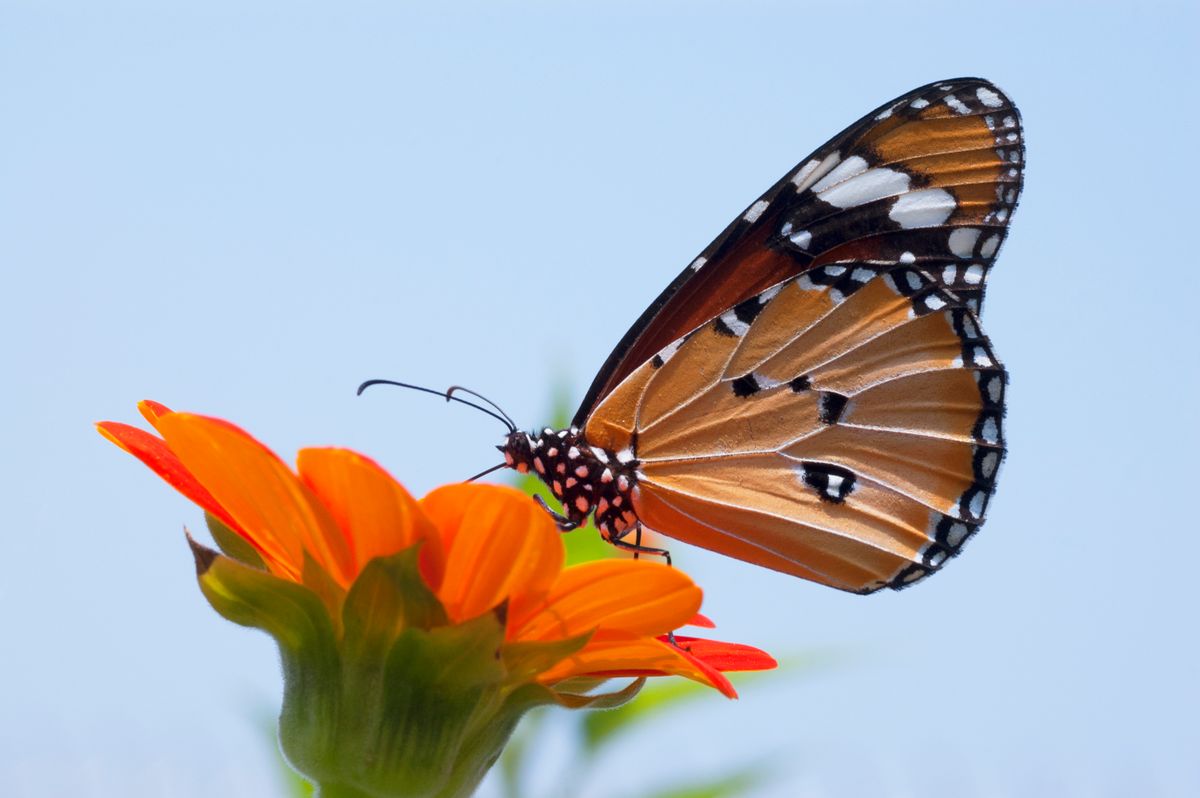 60-SEC READ
Why do monarch butterflies migrate to Mexico?
To escape winter. Monarchs can’t survive the cold, so a long-lived fall generation flies up to about 3,000 miles to Mexico’s fir forests, steering by a sun compass and a magnetic sense.
Full write-up · 8 sources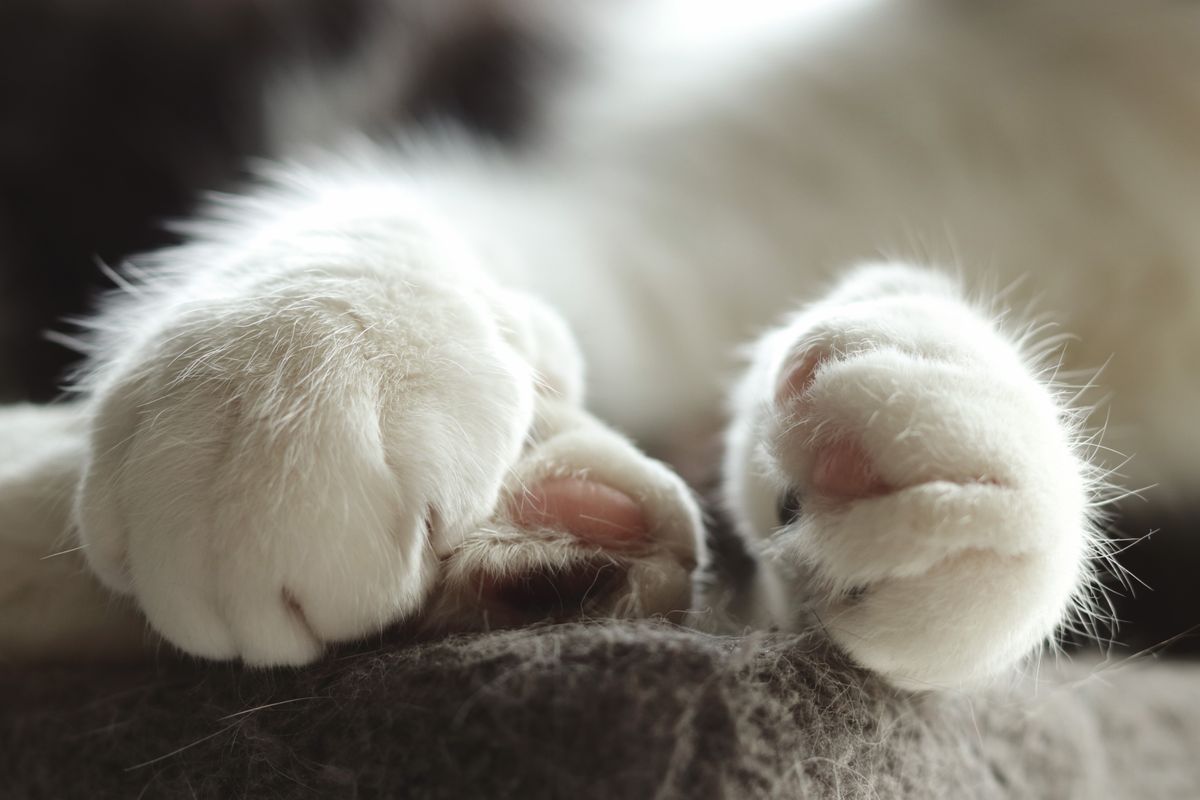 60-SEC READ
Why do cats knead?
Nobody knows for certain. Kneading starts in kittens, who push on their mother to get milk flowing, and adult cats seem to keep doing it when they feel relaxed. Scent marking is another idea.
Full write-up · 4 sources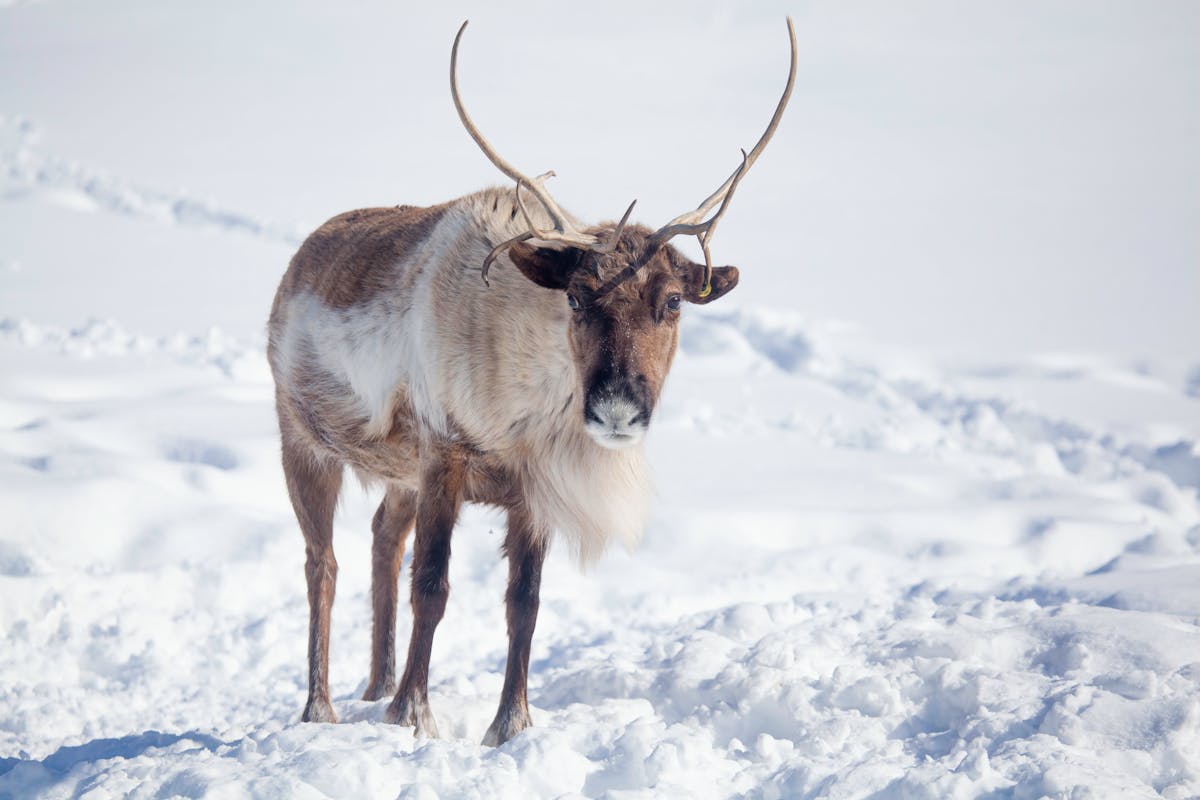 60-SEC READ
Why do reindeer’s eyes change color in winter?
So they can see in the Arctic’s dim, blue winter light. A reflective layer behind a reindeer’s retina shifts from gold in summer to deep blue in winter, which researchers think helps it catch more light.
Full write-up · 5 sources