History
Where things came from and the myths that grew up around them, from ancient trade routes to the reason we change our clocks.
 ▶ 60 SEC
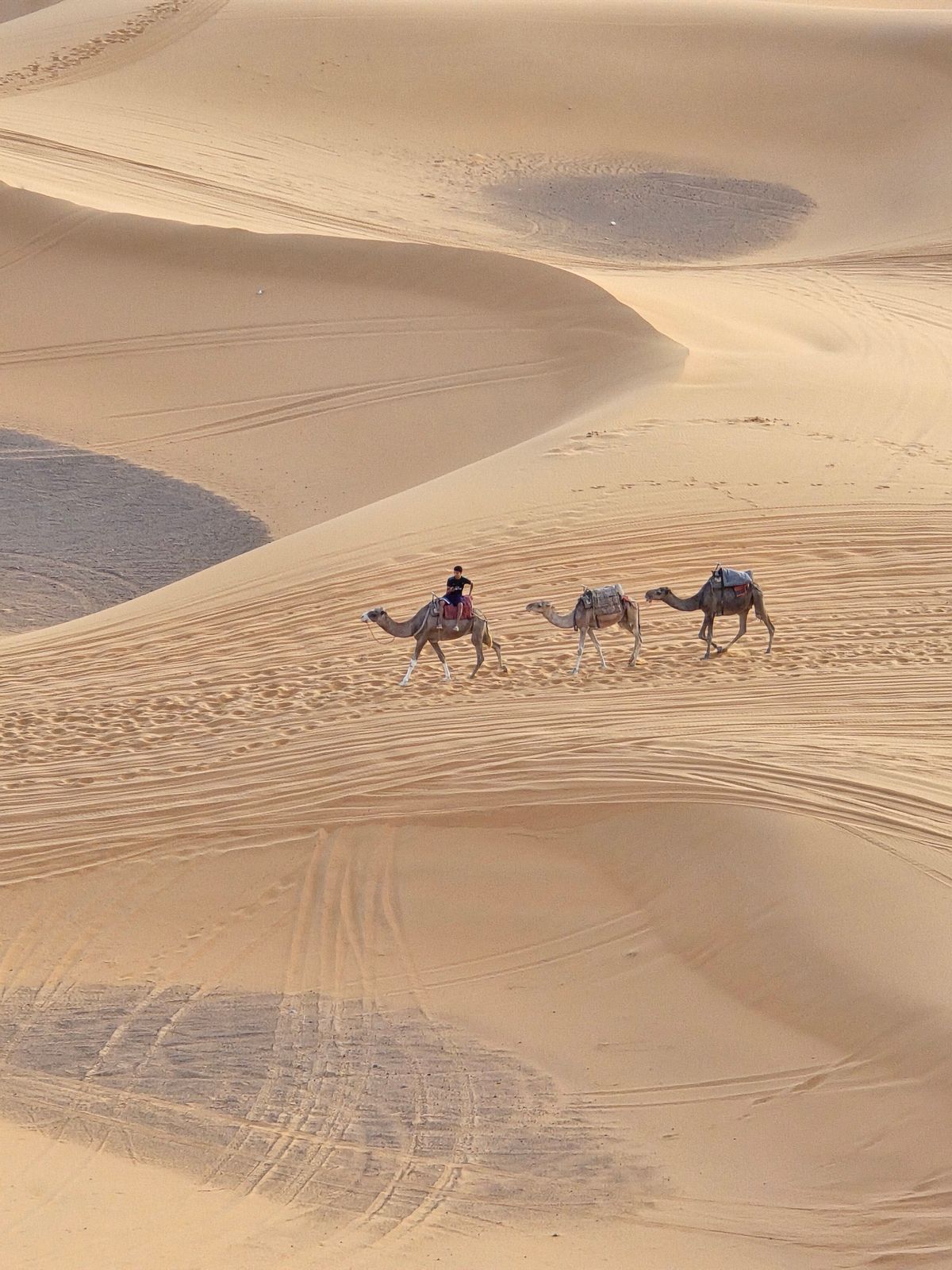
The Legacy of the Silk Road
The Silk Road wasn't a single road. Discover how this vast network connected civilizations and carried goods, beliefs, technologies and ideas across continents.
Full write-up · 7 sources 60-SEC READ
Did Einstein really say the “definition of insanity” quote?
There is no good evidence that he did. The saying appears in print decades after Einstein’s death and was attached to his name later.
Full write-up · 3 sources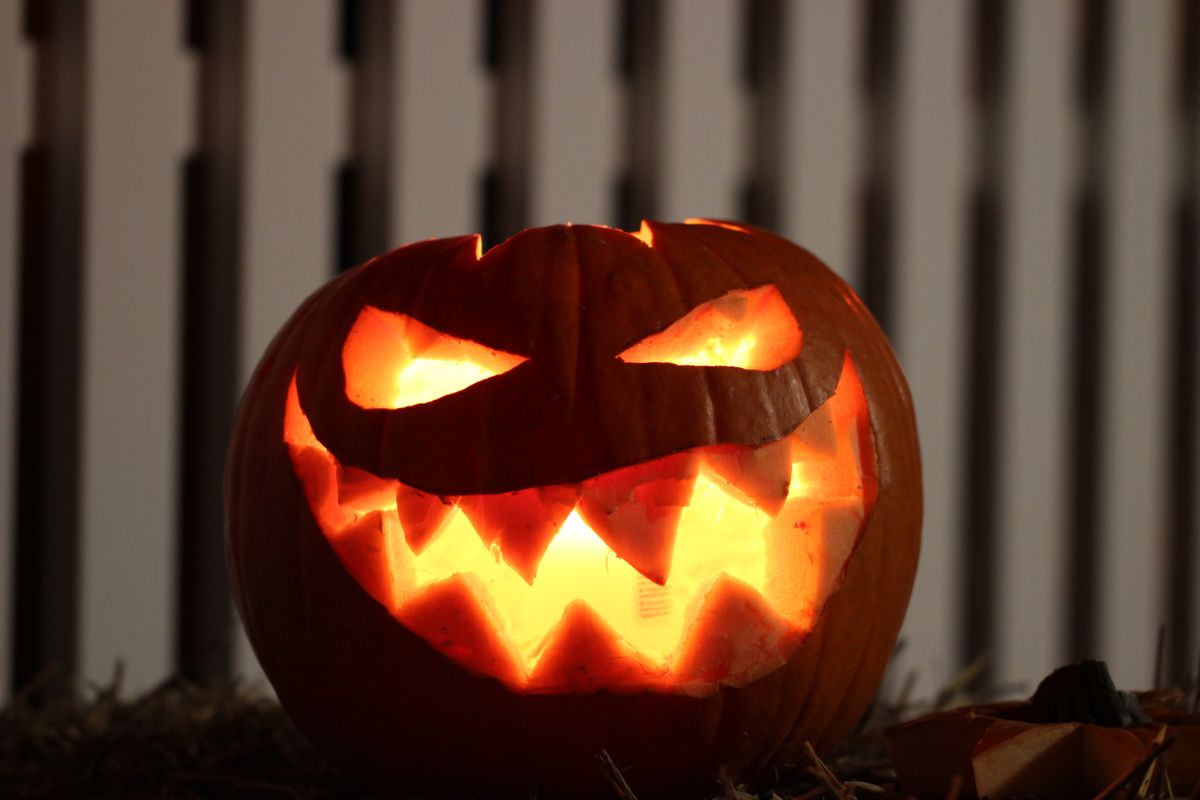 60-SEC READ
Where did Halloween come from?
Halloween began about 2,000 years ago with the Celtic festival of Samhain, took its name from a Christian holy day, and crossed the Atlantic with Irish and Scottish immigrants.
Full write-up · 5 sources 60-SEC READ
Why do we have daylight saving time?
Not for farmers, who opposed it. Clocks first sprang forward in 1916 to save coal during World War I, and in July 2026 the House voted to make daylight saving time permanent.
Full write-up · 7 sources 60-SEC READ
Did Vikings really wear horned helmets?
There’s no evidence they did. No horned Viking-age helmet has been found, and the only two nearly complete Viking helmets are plain iron caps. The horned look comes from 19th-century art and the costumes for an 1876 opera.
Full write-up · 7 sources 60-SEC READ
Why did the Titanic sink so fast?
The iceberg opened at least five, and likely six, of its watertight compartments, more than the ship could survive. Water then spilled over the too-short bulkheads, and it sank in 2 hours 40 minutes.
Full write-up · 6 sources 60-SEC READ
Why is Veterans Day on November 11?
Because World War I’s fighting stopped at 11 a.m. on November 11, 1918. The day began as Armistice Day, became Veterans Day in 1954 and, after seven years on a Monday, returned to November 11 in 1978.
Full write-up · 5 sources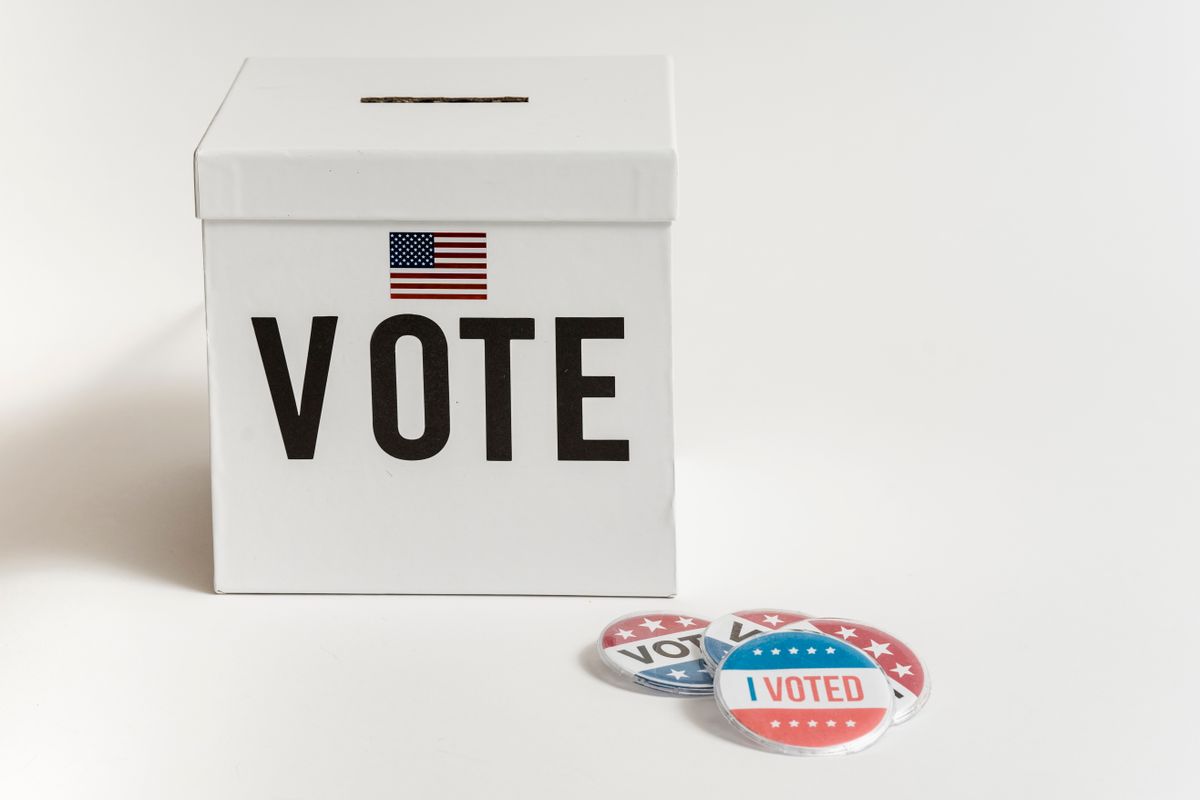 60-SEC READ
Why is Election Day on a Tuesday?
Because of an 1845 law written for a nation of farmers. November fell after the harvest and before winter, and Tuesday gave voters a day to travel without missing Sunday church or Wednesday market day.
Full write-up · 3 sources 60-SEC READ
Why is New Year’s Day on January 1?
It’s a calendar choice, not a natural one. Rome’s officials began taking office on January 1 around 153 BCE, Julius Caesar’s calendar made it the start of the year, and Britain didn’t switch until 1752.
Full write-up · 5 sources 60-SEC READ
Why is Thanksgiving on the fourth Thursday?
Because of a 1941 law. Lincoln set it for the last Thursday in 1863, Roosevelt moved it a week earlier in 1939, and Congress ended the argument by choosing the fourth Thursday.
Full write-up · 4 sources 60-SEC READ
Why is Martin Luther King Jr. Day on the third Monday in January?
Because Congress tied it to a Monday. King was born on January 15, 1929, but the 1983 law set the holiday on the third Monday, and it was first observed in 1986. All 50 states recognized it by 2000.
Full write-up · 7 sources 60-SEC READ
Why is Christmas on December 25?
Nobody knows for sure. The Bible gives no date, and the earliest record of December 25 as Christ’s birthday is a Roman calendar from 354. Historians weigh two main explanations, and neither is proven.
Full write-up · 5 sources