Why do we clink glasses when we toast?
The popular story that clinking proved a drink wasn't poisoned has no real historical evidence behind it. Toasting itself goes back to shared ritual drinking in the ancient world.
Quick Answer
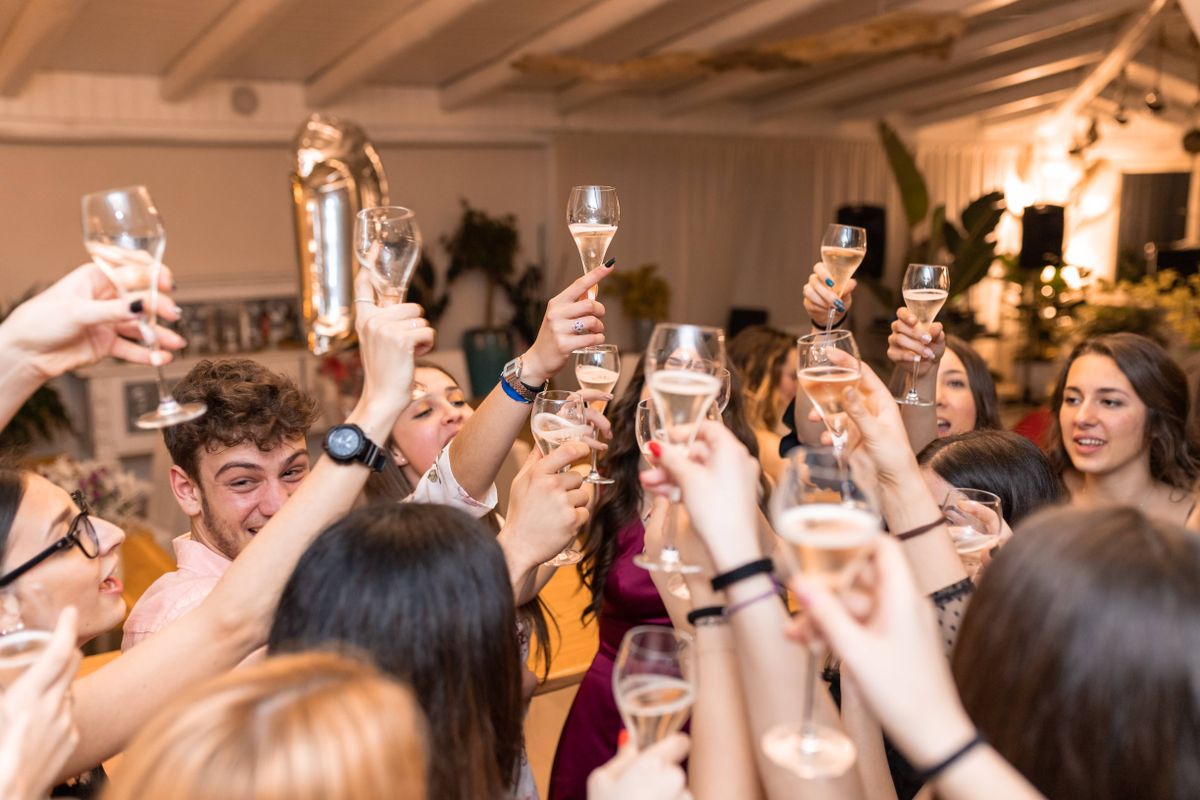
Raising a glass together to wish someone health goes back at least to ancient Greece and Rome, when people offered libations and drank to each other's well-being. The clink itself is a later addition, and the popular explanation — that touching glasses splashed a little of each drink into the other's cup to prove neither was poisoned — isn't supported by historical evidence. A more likely explanation is simpler: drinking already engages sight, smell, taste and touch, and the clink adds sound, making the toast a fully multisensory moment.
Key Facts
- Origin
- Ritual toasting to health dates to ancient Greece and Rome
- Popular myth
- “Clinking proves it's not poisoned” has no solid historical support
- Better explanation
- The clink adds sound, completing a multisensory ritual
Toasting is older than the clink
Offering a drink to someone's health or to the gods was already a ritual in the ancient world, well before individual glasses were common and people mostly drank from shared vessels.
The poison story doesn't hold up
It's often claimed that clinking glasses hard enough to splash drinks together proved neither was poisoned. Historians have found no real evidence for this — it's a colorful story that spread long after the custom was already established.
A simpler, more supported idea
Drinking already involves sight, smell, taste and touch. Adding the sound of a clink completes all five senses in the moment of the toast, which is a more historically grounded explanation than the poison theory.