Mind
How your brain really works: déjà vu, tickling and the 10% myth, explained with what the research actually shows.
 60-SEC READ
Why can’t you tickle yourself?
Your brain predicts the sensation from your own movements and dampens the response, so a self-tickle rarely lands the way someone else's does.
Full write-up · 3 sources 60-SEC READ
What causes déjà vu?
About two-thirds of people have felt it. Research suggests déjà vu is a memory glitch: a new scene feels familiar because it resembles one you can’t recall.
Full write-up · 5 sources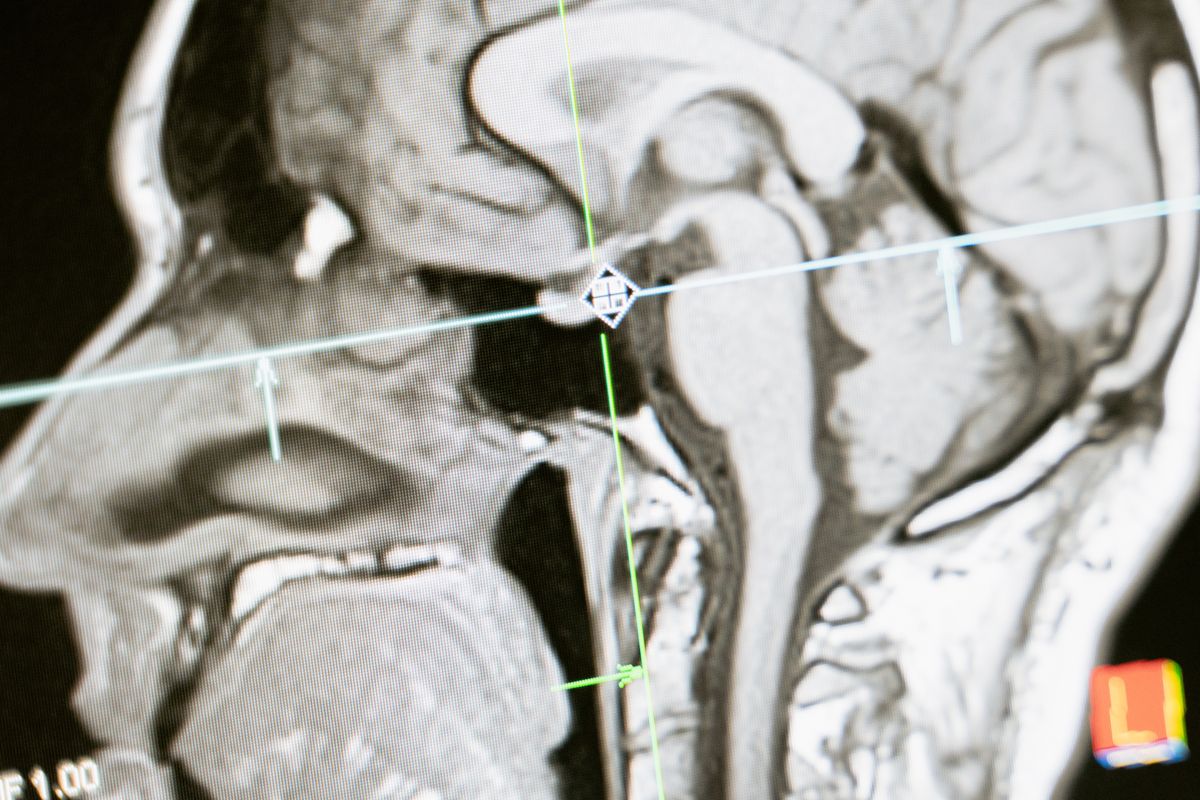 60-SEC READ
Do we really only use 10% of our brains?
No. Brain scans show activity across the whole brain, which is about 2% of body weight but uses roughly 20% of our calories. The myth grew from a misquoted idea about potential.
Full write-up · 4 sources 60-SEC READ
Why do songs get stuck in your head?
Scientists call it involuntary musical imagery, and about 9 in 10 people get it at least weekly. The stickiest songs tend to be fast, with a familiar melodic shape and an unusual twist.
Full write-up · 5 sources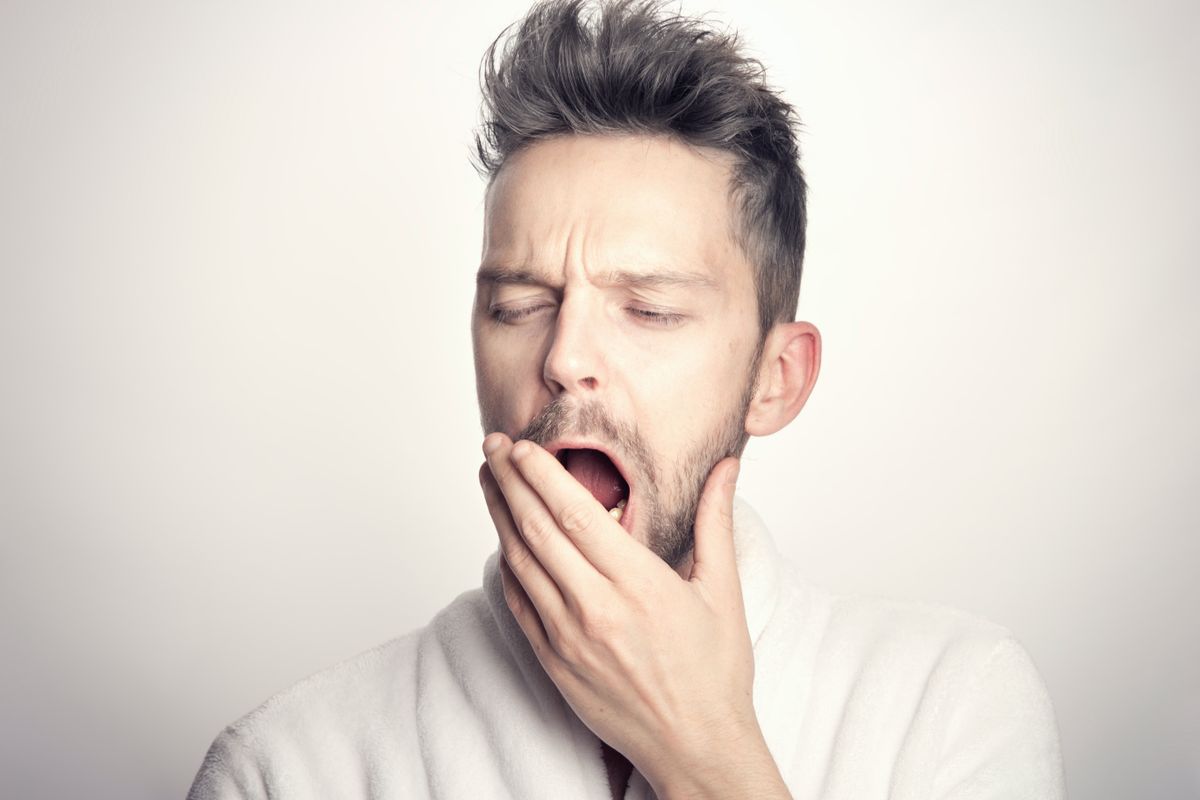 60-SEC READ
Why are yawns contagious?
Scientists are still working it out. Seeing a yawn triggers an automatic response in the brain’s motor cortex, and yawns spread most easily between people who are close.
Full write-up · 5 sources 60-SEC READ
Why does time seem to speed up as you get older?
Scientists aren’t sure, but a leading idea is memory. New experiences leave more memories, so busy, novel years feel long, while routine years blur together and seem to fly by.
Full write-up · 4 sources 60-SEC READ
Why do we like being scared?
Because fear in a safe setting can be a thrill. Your body’s alarm system kicks in, but your brain knows you’re safe. A 2020 haunted-house study found people enjoy fear most at a “sweet spot”: scary, but not too scary.
Full write-up · 5 sources 60-SEC READ
Why does music give you chills?
Because music can trigger the brain’s reward system. Brain scans show dopamine released during a favorite passage, first in anticipation and then at the peak, and more than half of people get chills, by some estimates.
Full write-up · 5 sources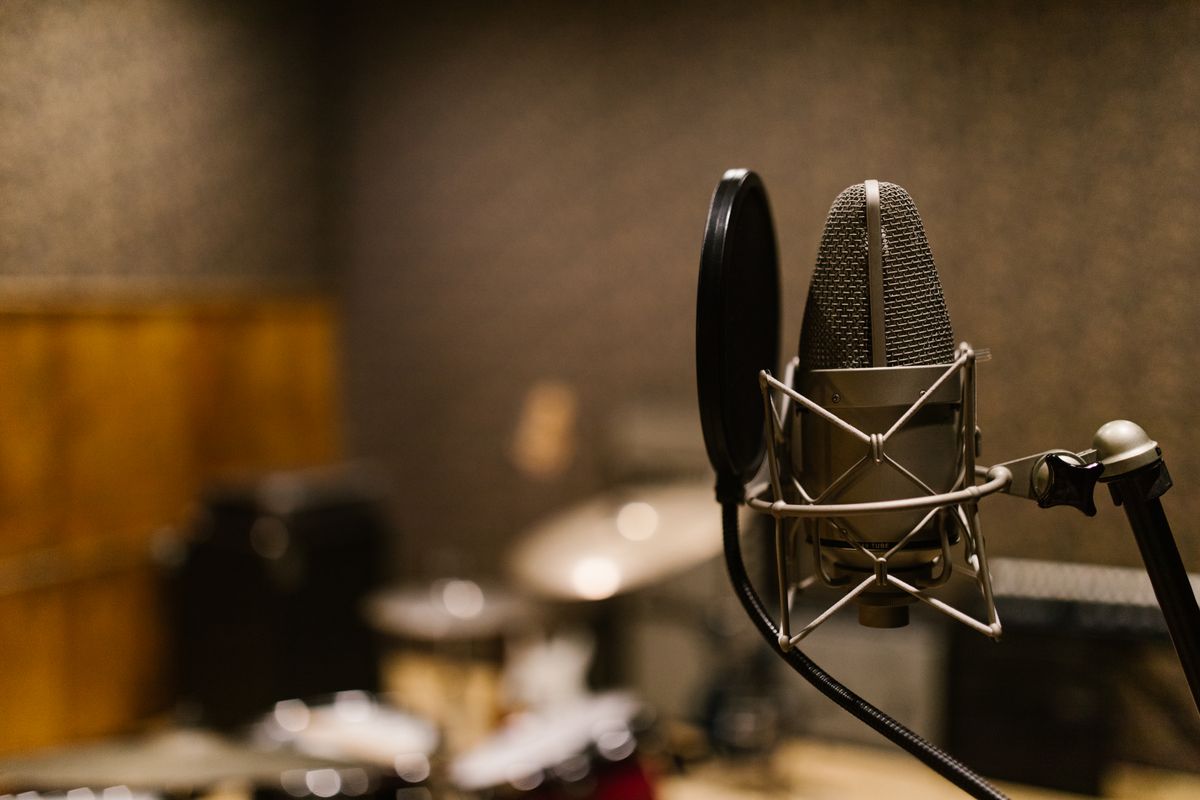 60-SEC READ
Why does your voice sound different on a recording?
Because you hear your own voice two ways. When you speak, sound reaches your ears through the air and through your skull, which boosts the low tones. A recording captures only the airborne sound.
Full write-up · 3 sources 60-SEC READ
Why can’t we remember being a baby?
Nobody knows for sure. A 2025 Yale study found that infants can encode individual memories, which suggests the problem may be retrieving them later, not storing them. That’s a hypothesis, not a settled answer.
Full write-up · 6 sources 60-SEC READ
Why do we get goosebumps?
Because tiny muscles at the base of each hair tighten and pull it upright. It’s an old reflex triggered by cold, fear or strong emotion, and a 2020 study in mice found the same muscle and nerve also help hair regrow.
Full write-up · 5 sources