Do we really only use 10% of our brains?
No. Brain scans show activity across the whole brain, which is about 2% of body weight but uses roughly 20% of our calories. The myth grew from a misquoted idea about potential.
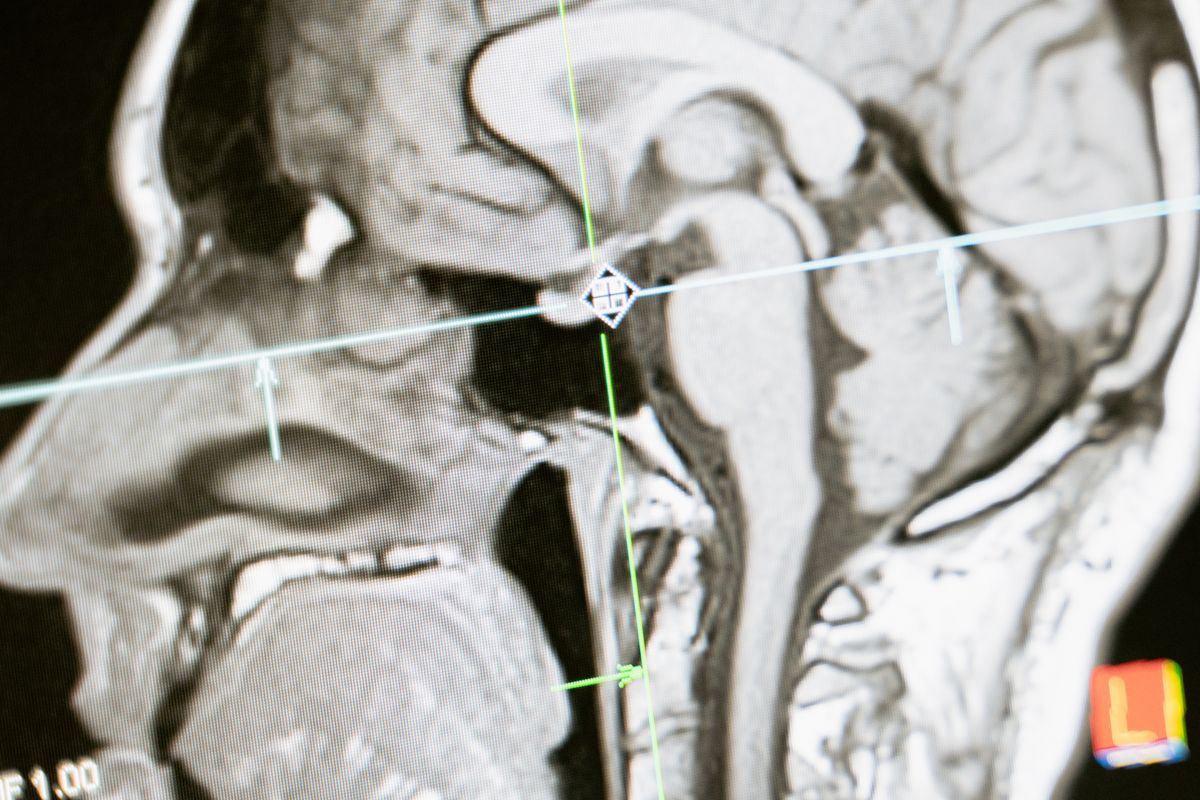
Quick Answer
The 10% idea is a myth. Brain imaging shows activity throughout the brain over the course of a day, and damage to almost any region causes some kind of problem. The brain is also expensive to run: it’s about 2% of body weight but uses roughly 20% of the body’s calories, which would make little sense if 90% of it sat idle. It holds about 86 billion neurons, according to a 2009 count. The myth seems to trace back to psychologist William James, who wrote in 1907 that we use only a small part of our possible mental resources, a comment about potential, not brain tissue. Journalist Lowell Thomas attached a “10 percent” figure in his preface to Dale Carnegie’s 1936 bestseller “How to Win Friends and Influence People,” and self-help writers took it from there.
By the Numbers
Key Facts
- Verdict
- Myth: imaging shows activity across the whole brain
- Energy use
- About 20% of calories for about 2% of body weight
- Neuron count
- About 86 billion (2009 count)
- Origin
- A misreading of William James (1907), given a “10 percent” in 1936
Timeline
- 1907
William James writes that we use only a small part of our possible mental resources, meaning potential, not tissue.
- 1936
Lowell Thomas’s preface to Dale Carnegie’s “How to Win Friends and Influence People” attaches a 10 percent figure.
- Later decades
Self-help writers turn “10 percent of our potential” into “10 percent of our brain.”
- 2009
Researchers count about 86 billion neurons in the human brain.
An expensive organ
At about 2% of body weight, the brain uses about 20% of the body’s calories. It would make little sense for the body to keep fueling such a costly organ if most of it sat idle.
The whole brain works
Brain scans show different regions lighting up for different tasks, and over the course of a day virtually all of the brain is active. Damage to almost any area causes some kind of problem, which wouldn’t happen if 90% were spare.
How the myth spread
William James wrote in 1907 that people use only a small part of their possible mental and physical resources. In 1936, Lowell Thomas’s preface to Dale Carnegie’s bestseller put a number on it, 10 percent, and later self-help writers turned 10 percent of our potential into 10 percent of our brain.
Myth vs. Fact
MythWe only use 10% of our brains.
FactOver a day, nearly all of the brain is active. Imaging and brain-injury studies show no silent 90%.
MythThe human brain has 100 billion neurons.
FactThat long-quoted round number was an estimate. A 2009 study counted about 86 billion.
The Bottom Line
You use virtually all of your brain, just not all of it at once. The 10% myth came from a misquoted line about human potential, not from neuroscience.

Sources & Further Reading
- Scientific American — Do we really use only 10 percent of our brains?
- MIT McGovern Institute — Do we only use 10 percent of our brain?
- Journal of Comparative Neurology — Azevedo et al., Equal numbers of neuronal and nonneuronal cells make the human brain an isometrically scaled-up primate brain (2009)
- British Psychological Society — Great myths of the brain: We only use 10 per cent