Why do we get goosebumps?
Because tiny muscles at the base of each hair tighten and pull it upright. It’s an old reflex triggered by cold, fear or strong emotion, and a 2020 study in mice found the same muscle and nerve also help hair regrow.
Quick Answer
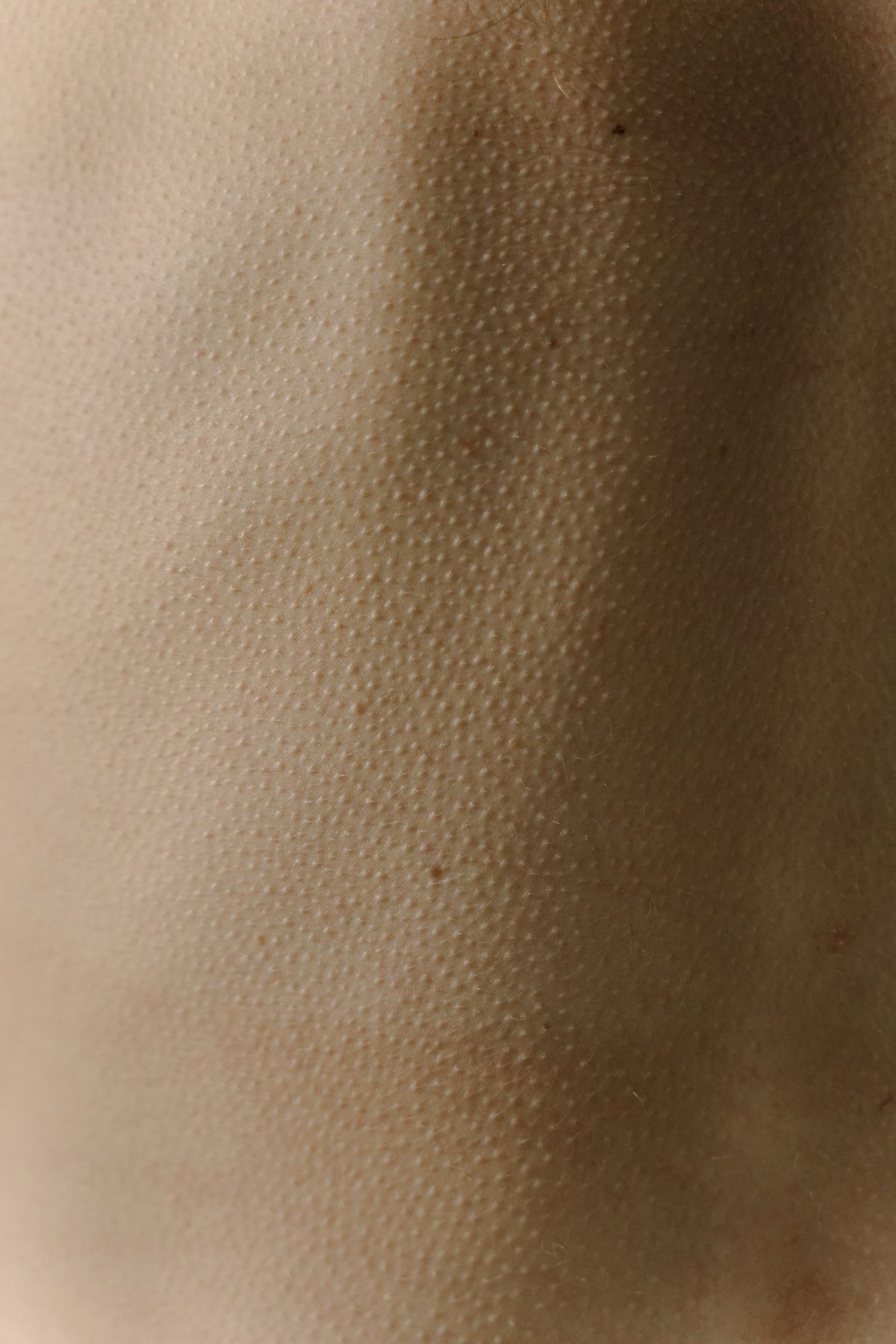
Goosebumps happen when tiny muscles attached to each hair follicle, called arrector pili muscles, contract and pull the hair upright. The muscles are controlled by the sympathetic nervous system, the “fight or flight” side of the nervous system, and they respond to cold, fear and intense emotion. In furry animals, upright hair traps a layer of warm air against the skin or makes the animal look bigger. Humans have far less body hair, so the reflex does little for warmth, and the muscle was long thought to be a leftover. A 2020 study in the journal Cell, led by Ya-Chieh Hsu at Harvard University, found in mice that the same muscle and nerve do more than raise hairs: when mice were cold for a long time, the nerves signaled hair follicle stem cells to make new hair. It’s unclear how much of this applies to people.
Key Facts
- What happens
- Arrector pili muscles pull each hair upright
- Triggers
- Cold, fear and strong emotions, such as awe or moving music
- Original purpose
- To trap warm air or puff up fur in furry ancestors
- A 2020 finding
- In mice, the same muscle and nerve help trigger new hair growth after cold
How goosebumps form
- A trigger
Cold, fear or a strong emotion activates the sympathetic nervous system.
- A signal
Sympathetic nerves send signals to the arrector pili muscle at the base of each hair.
- A squeeze
The muscle contracts and pulls the hair upright.
- A bump
The skin around the hair rises into a small bump.
A reflex from furry ancestors
When our furry ancestors got cold, the muscles at the base of their hairs lifted the fur, which trapped a layer of air near the skin as insulation. The same reflex puffed up an animal’s fur to look bigger when it was frightened. The muscles, nerves and hair follicles are arranged the same way across mammals, including humans, but we have so little body hair that the warming effect is lost. That’s why the muscle has long been considered a leftover.
Not just cold
Goosebumps aren’t only a reaction to cold. They can also appear with fear and with strong emotions such as awe, pride, excitement, and the thrill of moving music or art. All of these trigger the same sympathetic nerves.
A hairy twist from 2020
In 2020, Ya-Chieh Hsu and colleagues at Harvard reported in Cell that, in mice, the sympathetic nerve and the arrector pili muscle form a niche for hair follicle stem cells. When mice stayed cold for a long time, the nerve released the chemical norepinephrine, which stimulated the stem cells to grow new hair. The study was in mice, so how much applies to people remains to be seen.
Myth vs. Fact
MythGoosebumps keep you warm.
FactIn humans, the reflex does little to keep you warm, because we have too little body hair to trap much air.
MythGoosebumps only come from cold.
FactFear, awe and moving music or art can trigger them too.
The Bottom Line
Goosebumps happen when tiny muscles pull each hair upright, a reflex triggered by cold or strong emotion. It once helped furry ancestors stay warm or look bigger, and in mice the same muscle and nerve also help hair regrow.
Sources & Further Reading
- NIH Research Matters — What goosebumps are for
- Cell — A Hairy End to a Chilling Event (commentary on Shwartz et al., 2020)
- Harvard Health — Wondering about goosebumps? Of course you are
- Cleveland Clinic — Here’s Why You Have Goosebumps on Your Skin
- Scientific American — Goose Bumps, Extra Nipples and Leftover Tails Remind Us of What We Once Were