What causes thunder?
Lightning heats the air around it to as much as 50,000°F in an instant. The air expands so violently it creates a shock wave, and that’s the boom or rumble we hear.
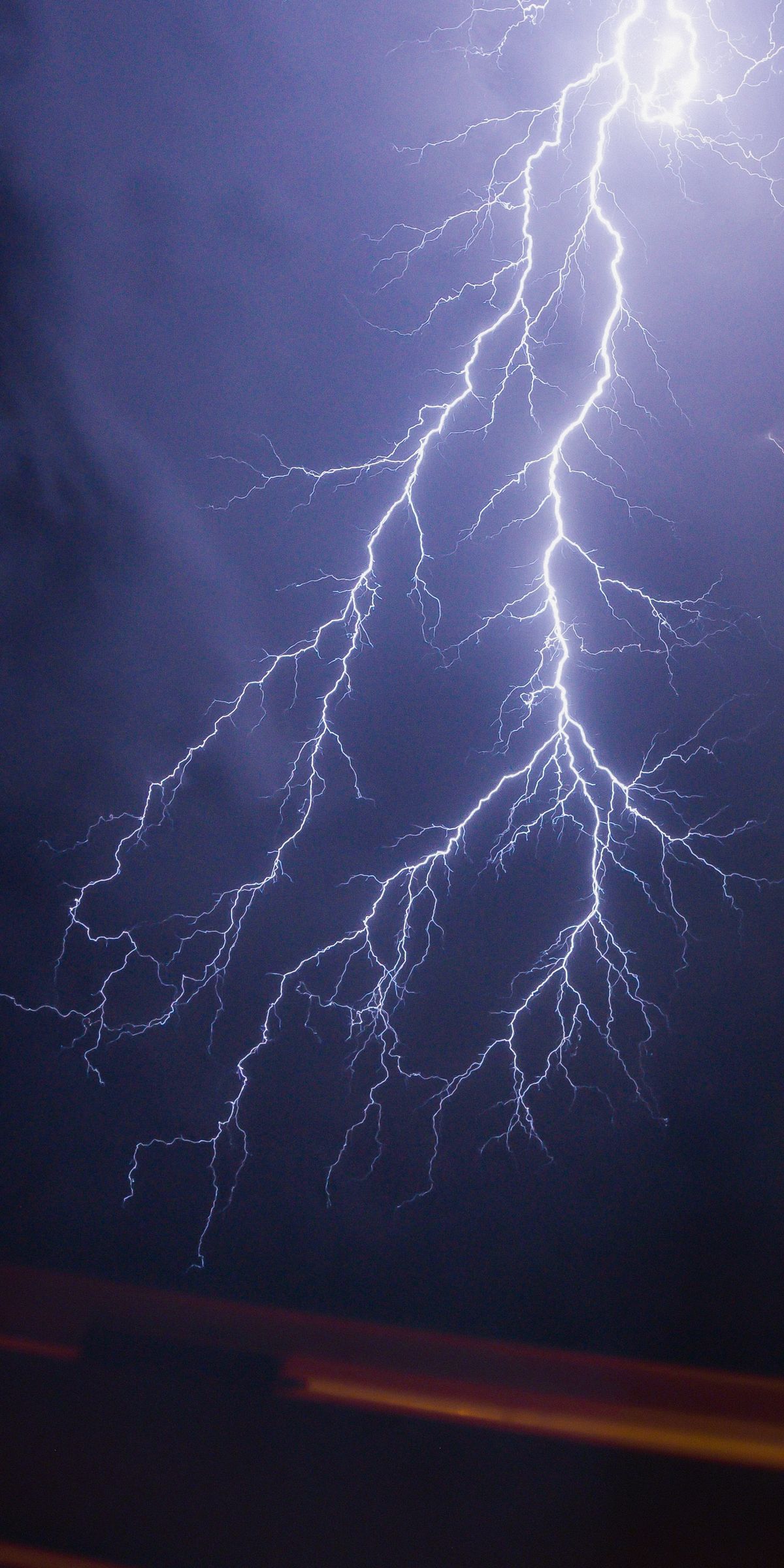
Quick Answer
Thunder is the sound of lightning. A lightning bolt heats the air in its path to as much as 50,000°F, about five times hotter than the surface of the Sun, according to the National Weather Service. That superheated air expands explosively, then cools and contracts, sending out a shock wave we hear as thunder. A sharp crack means the strike was close; a long rumble usually means it was several miles away, as the many shock waves along the bolt blend together. Because light arrives almost instantly and sound takes about five seconds to travel a mile, you can estimate the distance: count the seconds between the flash and the boom, then divide by five. Thunder can usually be heard only about 10 miles away, and lightning can strike that far from a storm. That’s why the Weather Service says: when thunder roars, go indoors.
By the Numbers
Key Facts
- What it is
- The sound of air expanding explosively around a lightning bolt
- How hot
- Up to 50,000°F, about 5 times hotter than the Sun’s surface
- How far away
- Count the seconds from flash to boom and divide by 5 for miles
- Hearing range
- About 10 miles, and lightning can strike that far away too
How far away was that lightning?
- See the flash
Start counting the moment you see lightning.
- Hear the thunder
Stop counting when the thunder reaches you.
- Divide by 5
The result is roughly the distance in miles. Divide by 3 for kilometers.
- Heard it? Go inside
If you can hear thunder, you’re close enough to be struck by lightning.
From flash to boom
Lightning heats a narrow channel of air almost instantly. The air expands so fast it creates a shock wave, then cools and contracts. That rapid expansion and contraction is the sound we call thunder.
Crack or rumble?
A close strike sounds like a sharp crack or bang. From farther away, the many shock waves along the length of the bolt blend into a long rumble.
Why thunder is a warning
Lightning often strikes outside the heavy rain and can hit as far as 10 miles from it. If you can hear thunder, lightning is close enough to strike you, so head indoors.
Myth vs. Fact
Myth“Heat lightning” is a harmless kind of lightning.
FactIt’s ordinary lightning from a storm too far away for you to hear its thunder.
MythIf it’s not raining, you’re safe from lightning.
FactLightning can strike as far as 10 miles from any rainfall.
The Bottom Line
Thunder is the sound of air exploding outward as lightning heats it to as much as 50,000°F. Count the seconds between the flash and the boom to judge the distance, and if you can hear it, get indoors.