Why do leaves change color in fall?
As nights lengthen, trees stop making green chlorophyll. That reveals yellows and oranges that were there all summer, while the reds are made fresh in autumn.
Quick Answer
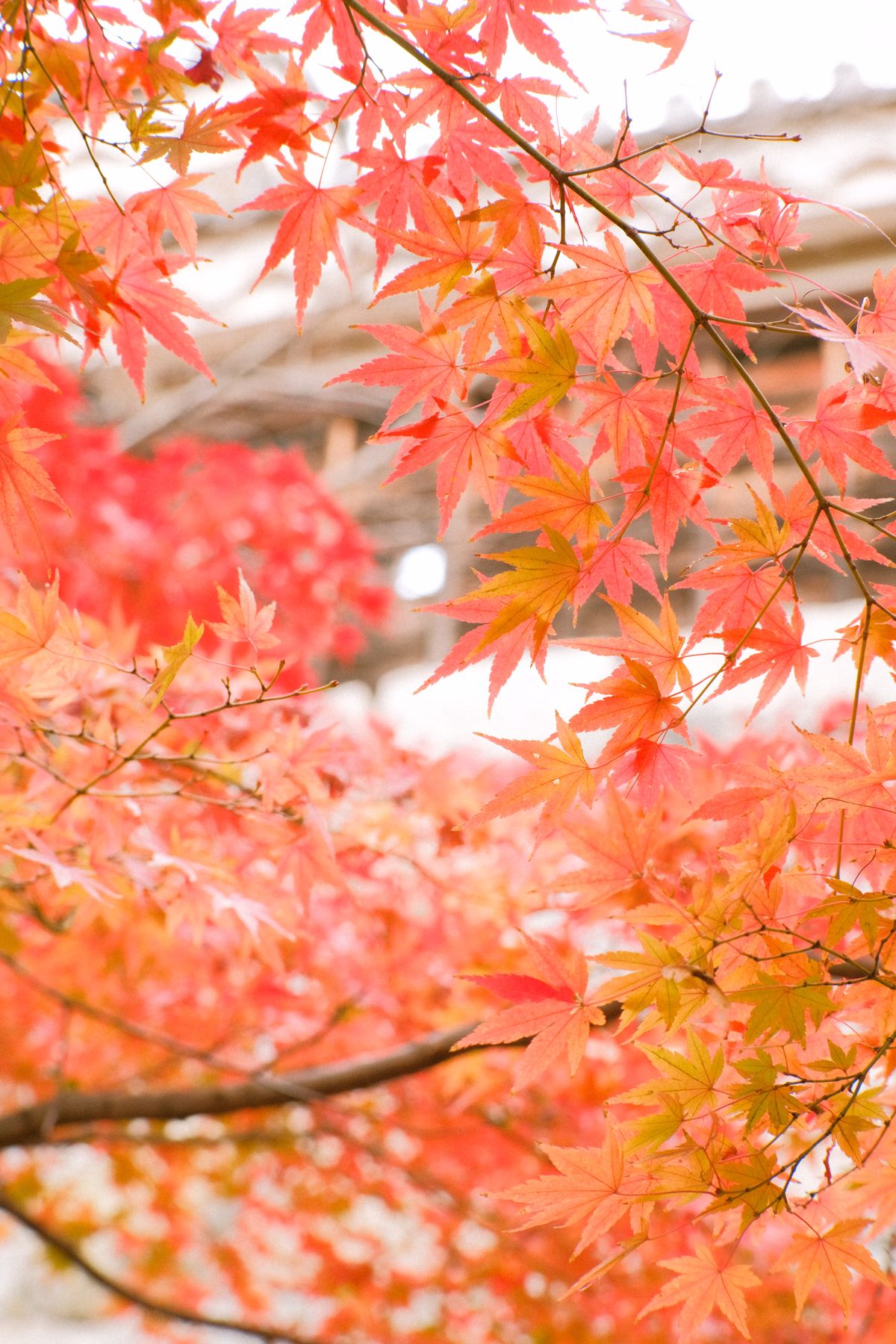
Leaves are green in summer because chlorophyll, the pigment that powers photosynthesis, masks everything else. As nights grow longer in autumn, trees slow and then stop making chlorophyll, and the green breaks down. That unmasks yellow and orange carotenoids that were in the leaf all along. Reds and purples work differently: most anthocyanins are produced in autumn, spurred by bright sunlight and sugar trapped in the leaf. Browns come from tannins, as in many oaks. Weather sets the intensity: a run of warm, sunny days and cool but not freezing nights brings the most brilliant displays.
Key Facts
- Main trigger
- Longer nights slow and then stop chlorophyll production
- Yellow and orange
- Carotenoids, present all summer but hidden by the green
- Red and purple
- Anthocyanins, mostly made in autumn
- Brown
- Tannins, as in many oaks
How a leaf changes color
- Nights get longer
Lengthening autumn nights signal the tree to wind down chlorophyll production.
- The green fades
Existing chlorophyll breaks down and isn’t replaced.
- Hidden yellows appear
Carotenoids that were there all summer finally show.
- Reds are made fresh
In many trees, sugar trapped in the leaf plus bright sun produce new red anthocyanins.
The four leaf pigments
| Pigment | Color | Role in fall |
|---|---|---|
| Chlorophyll | Green | Breaks down as nights lengthen |
| Carotenoids | Yellow, orange | There all summer; revealed when the green fades |
| Anthocyanins | Red, purple | Mostly made fresh in autumn |
| Tannins | Brown | Give many oaks their brown hues |
Green on top of gold
All summer, chlorophyll dominates the leaf because the tree keeps making it for photosynthesis. Yellow and orange carotenoids are there too, but the green masks them.
The nights decide
As nights lengthen in autumn, chlorophyll production slows and then stops, and the chlorophyll that’s left is destroyed. With the green gone, the carotenoids take over.
Why some autumns are brighter
Warm, sunny days let leaves make plenty of sugar, while cool nights and the gradual closing of the leaf’s veins keep that sugar in. Lots of sugar and light spur anthocyanins, the reds, purples and crimsons of a spectacular fall.
Myth vs. Fact
MythCold weather paints the leaves.
FactThe main trigger is longer nights. Weather decides how vivid the show gets, with sunny days and cool nights making the best reds.
MythLeaves turn yellow in fall.
FactThe yellow was there all summer, hidden under green chlorophyll.
The Bottom Line
Fall color is mostly revealed, not added: when longer nights shut down green chlorophyll, the yellows beneath show through. The reds are the exception, made fresh in autumn when sunny days and cool nights trap sugar in the leaf.