What is a supermoon?
A full Moon that happens near its closest point to Earth. It can look up to 14% bigger and 30% brighter than the faintest full Moon of the year. The next ones are November 24 and December 23–24, 2026.
Quick Answer
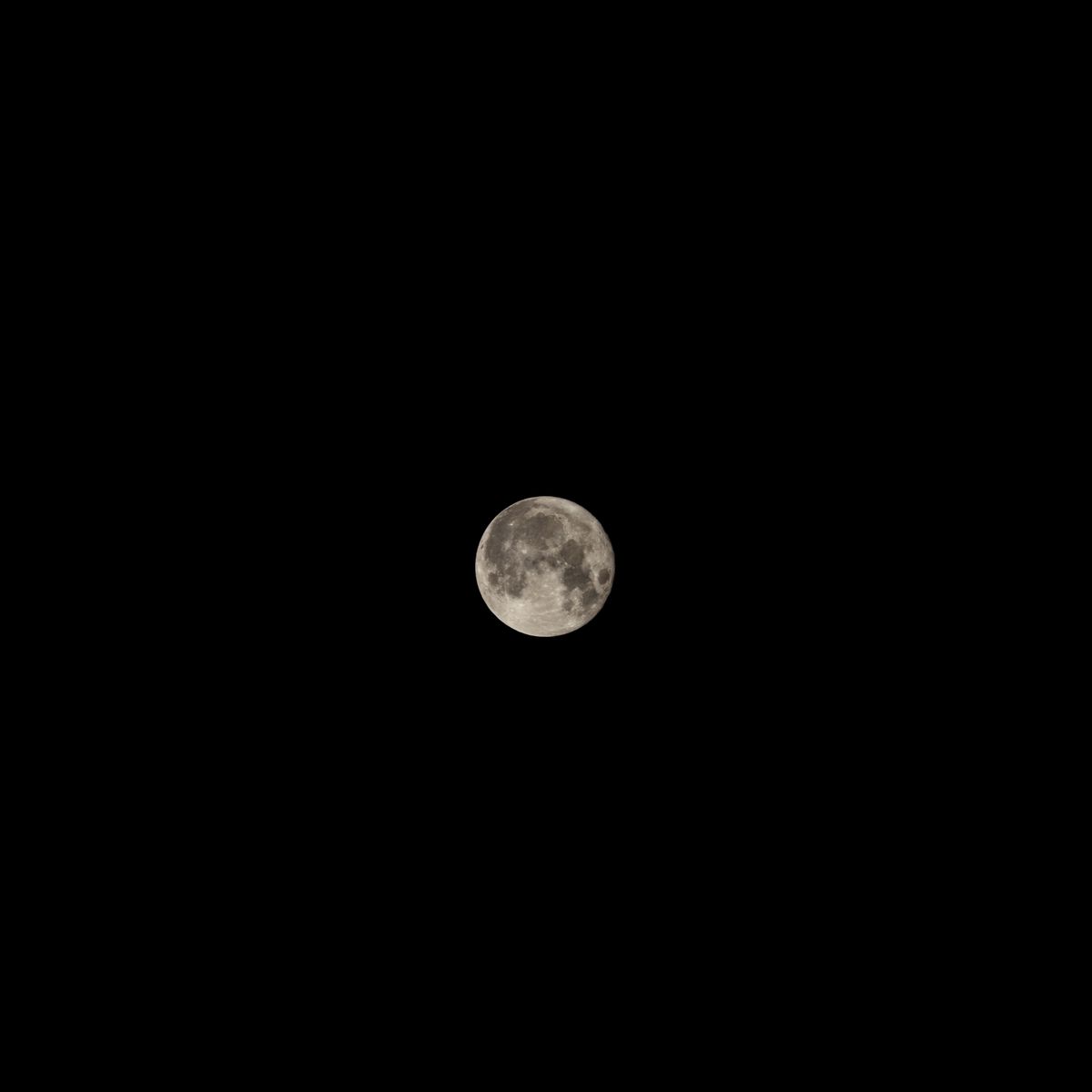
A supermoon is a full Moon that happens when the Moon is at or near perigee, the closest point in its orbit to Earth. The Moon’s orbit is an oval, so its distance changes: about 226,000 miles (363,300 km) at perigee and about 251,000 miles (405,500 km) at apogee, its farthest point, according to NASA. “Supermoon” isn’t an official astronomical term. The astrologer Richard Nolle coined it in 1979, and it’s usually used for a full Moon that comes within 90 percent of perigee. At its best, a supermoon can look up to 14 percent bigger and 30 percent brighter than the faintest full Moon of the year, the one near apogee. In 2026, the supermoons are the full Moons of January 3, November 24 and December 23–24. The December one, about 356,700 km (221,700 miles) away, is the closest full Moon of the year.
By the Numbers
Key Facts
- Definition
- A full Moon at or near perigee, usually within 90% of it
- Size and brightness
- Up to 14% bigger and 30% brighter than the faintest full Moon of the year
- Not official
- The term was coined by the astrologer Richard Nolle in 1979
- 2026 supermoons
- January 3, November 24 and December 23–24
Closest vs. farthest full Moon
| Full Moon near perigee (a supermoon) | Full Moon near apogee | |
|---|---|---|
| Distance from Earth | About 226,000 miles (363,300 km) | About 251,000 miles (405,500 km) |
| Apparent size | Up to 14% larger | The smallest of the year |
| Brightness | Up to 30% brighter | The faintest of the year |
Source: NASA. Perigee and apogee distances vary from orbit to orbit.
An oval orbit
The Moon travels around Earth in an oval rather than a circle, so some times it’s closer than others. Every 27 days or so, it reaches perigee, its closest point, and about two weeks later it reaches apogee, its farthest. When a full Moon happens to land near perigee, it’s called a supermoon. Astronomers call the alignment a perigee syzygy.
How “super” is it?
Not as dramatic as the name sounds. NASA says a supermoon can look up to 14 percent bigger and 30 percent brighter than the faintest full Moon of the year, which happens when it’s farthest from Earth. Because the change is gradual, it’s hard to judge by eye without a comparison photo. The Moon also looks larger near the horizon, but that’s an optical illusion, and it happens on any night.
The 2026 supermoons
There are three in 2026. The first was January 3. The Beaver Moon on November 24 is full at 9:53 a.m. Eastern, so it looks full on the nights of November 23 and 24. The Cold Moon is full at 8:28 p.m. Eastern on December 23, which is 01:28 UTC on December 24. At about 356,700 km from Earth, it’s the closest and brightest full Moon of 2026.
Myth vs. Fact
MythA supermoon is a giant, glowing Moon.
FactAt most it’s about 14 percent larger and 30 percent brighter than the faintest full Moon, a modest change.
Myth“Supermoon” is an official astronomical term.
FactAn astrologer coined it in 1979. Astronomers call it a perigee syzygy, and the “within 90 percent of perigee” cutoff is a convention, not a rule.
The Bottom Line
A supermoon is a full Moon near perigee, when the Moon is closest to Earth. It can look up to 14 percent bigger and 30 percent brighter than the faintest full Moon, and the next ones are November 24 and December 23–24, 2026.
Sources & Further Reading
- NASA Science — Supermoons
- NASA/JPL — What’s a Supermoon and Just How Super Is It?
- Britannica — Supermoon
- BBC Sky at Night Magazine — We’ll get three supermoons in 2026
- Space.com — What is a supermoon and when can you see the next one in 2026?
- EarthSky — What’s a supermoon? Here are the supermoons in 2026