Why are airplane windows round?
To stop cracks. After two Comet jetliners broke up in 1954, investigators blamed metal fatigue that started at a sharp-cornered opening, and airliners have used rounded corners ever since.
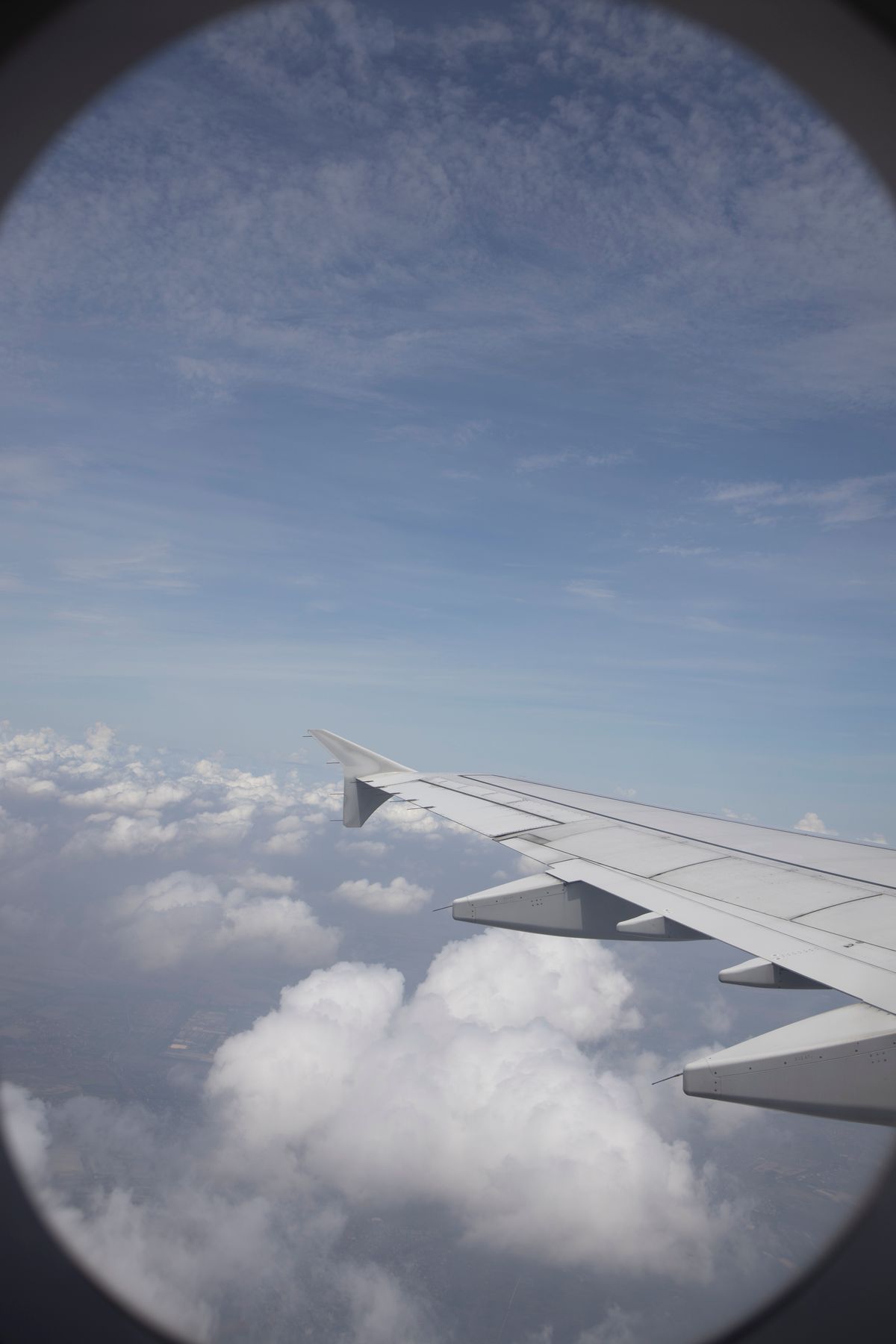
Quick Answer
Airplane windows have rounded corners because sharp corners concentrate stress. In flight, the cabin is pressurized and the fuselage swells slightly; after landing, it relaxes. Over thousands of flights, that repeated flexing can crack metal, and cracks tend to start at sharp corners. In 1954, two de Havilland Comet jets, the first jet airliners, broke apart in flight: one near Elba on January 10 and one near Naples on April 8. Investigators at Britain’s Royal Aircraft Establishment pressurized a Comet fuselage in a water tank and concluded that metal fatigue was to blame. The fatal crack began at the corner of a roof-mounted cutout for a radio antenna, and the cabin windows were also found to carry more stress than expected. Designers began rounding the corners of windows and other openings, and airliners have had rounded windows ever since.
By the Numbers
Key Facts
- The reason
- Round corners spread out stress that sharp corners concentrate
- What happened
- Two Comet airliners broke apart in flight in 1954, killing 56 people
- The cause
- Metal fatigue from repeated cabin pressurization, starting at a sharp-cornered opening
- The lesson
- Round the corners of windows and other openings
How a crack starts
- The cabin pressurizes
At cruising altitude, the pressure inside pushes the fuselage skin outward.
- Stress piles up at corners
Sharp corners and holes concentrate that stress into a small area.
- Tiny cracks form
After many flights, fatigue starts a crack at the corner.
- The crack grows
Each pressurization lengthens it until the skin can no longer hold.
Pressurized again and again
Jets cruise where the air is too thin to breathe, so cabins are pressurized. Each flight expands the fuselage slightly and each landing relaxes it. Investigators found that the Comet’s pressurization cycles happened much faster than on earlier propeller airplanes, and the structure wasn’t strong enough for them.
What investigators found
After the Elba crash, searchers raised wreckage from the sea. Engineers pressurized a Comet fuselage in a water tank, and the failures pointed to metal fatigue. One fracture started in the corner of a cutout for the radio direction finder’s antenna on top of the fuselage and ran about eight feet, through a window frame in its path.
Rounded, not perfectly round
Modern airliner windows are usually rounded rectangles or ovals, not perfect circles. What matters is that they have no sharp corners, so stress flows around the opening instead of piling up at a point.
Myth vs. Fact
MythThe Comet crashed because it had square passenger windows.
FactInvestigators traced the fatal crack to a corner of a roof-mounted antenna cutout, not a passenger window. Sharp-cornered openings of every kind concentrate stress, which is why airliners now round them.
MythAirplane windows are perfectly round.
FactMost are rounded rectangles or ovals. What matters is that they have no sharp corners.
The Bottom Line
Airplane windows are rounded because sharp corners concentrate stress. After two Comet jetliners broke up in 1954, investigators traced the failures to metal fatigue that started at a sharp-cornered opening.