Why do cats knead?
Nobody knows for certain. Kneading starts in kittens, who push on their mother to get milk flowing, and adult cats seem to keep doing it when they feel relaxed. Scent marking is another idea.
Quick Answer
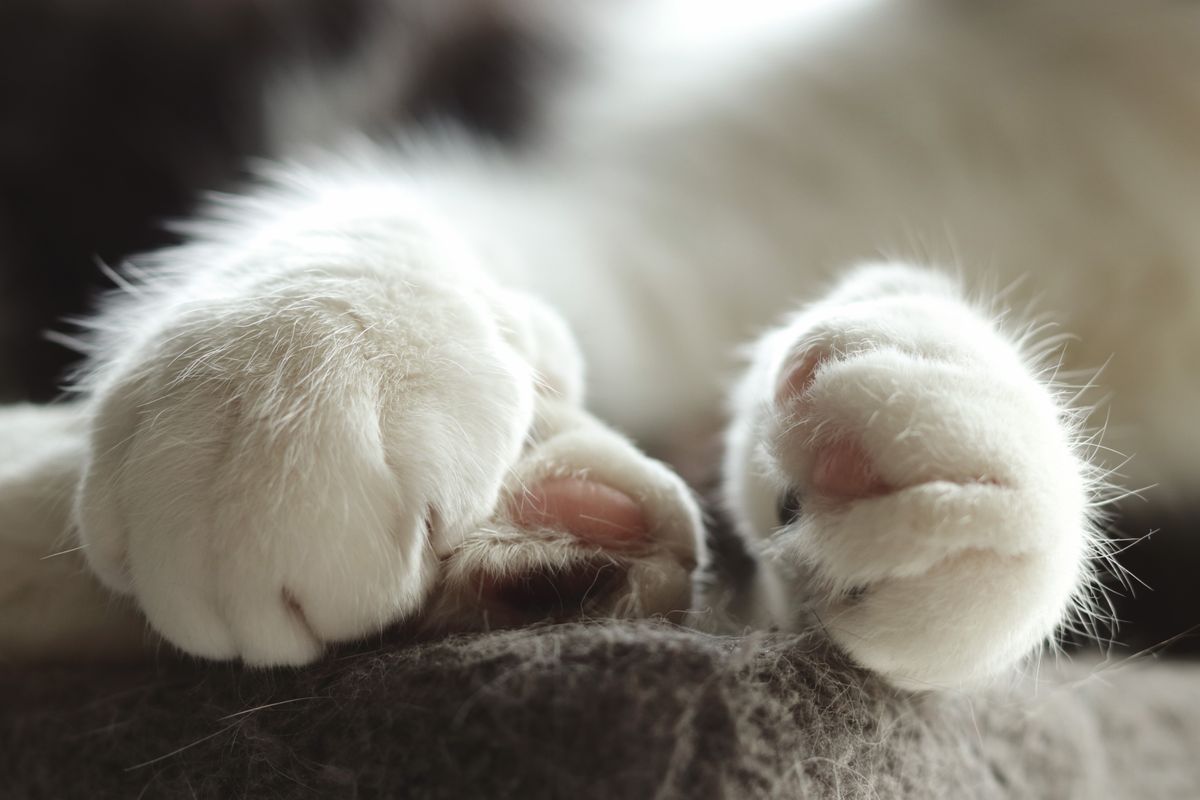
Cats knead because it’s an instinct that starts in kittenhood, but no one knows exactly why adult cats keep doing it. Kittens push their paws rhythmically against their mother’s belly as they nurse, which helps the milk flow. Many cats keep kneading as adults, often when they’re relaxed, and veterinary behavior experts think the habit is tied to the comfort of nursing. Cats also have scent glands between their paw pads, so kneading may leave their scent on a spot or a person, a possible form of marking. Some cats also knead a blanket or bed before settling in, which may be an instinct to make a softer place to lie down. These are explanations, not proven causes.
Key Facts
- What it is
- Rhythmically pushing the paws in and out against a soft surface
- Where it starts
- In kittens, as they nurse and help the milk flow
- Other ideas
- Comfort, scent marking and making a softer bed
- Status
- Plausible explanations; none proven
Four ideas about kneading
| Idea | What it suggests | How well supported |
|---|---|---|
| Nursing instinct | Kittens knead to get milk flowing, and the habit carries over into adulthood. | Well documented in kittens; the link to adult cats is an explanation. |
| Comfort | Kneading is tied to the pleasant feelings of nursing, so cats do it when relaxed. | A common expert explanation, not proven. |
| Scent marking | Glands between the paw pads leave scent on what the cat kneads. | The glands exist; whether cats knead to mark isn’t proven. |
| A softer bed | Kneading shapes a surface before the cat lies down. | A suggested instinct, not proven. |
Sources: VCA Animal Hospitals, PetMD and UC Davis. Cat behavior experts continue to debate the reasons.
It starts at the nursing stage
When kittens nurse, they push their paws against their mother’s belly in a steady rhythm. The pressure along the mammary glands helps the milk flow. Veterinary sources describe kneading as an instinctive part of normal nursing behavior, and UC Davis animal behaviorist Emma Grigg says adult kneading is most likely carried over from those days.
Why adults keep doing it
Many cats keep kneading throughout their lives, often while relaxed or settling in on a favorite person or bed. Experts describe it as a comforting, self-soothing behavior that’s probably linked to the good feelings of nursing. That’s an explanation rather than a proven cause, and the same cat may knead for different reasons at different times.
Scent and nest-making
Cats have scent glands between their paw pads, so kneading may deposit their scent on an object or a person, which could be a way of marking something as familiar. Kneading may also help a cat shape a softer place to sleep. Both are suggestions rather than established facts.
Myth vs. Fact
MythCats knead only as kittens.
FactMany cats keep kneading throughout their lives.
MythKneading is always a sign of affection.
FactIt’s often a sign of comfort, but researchers haven’t proven what it means, and a cat may knead for several reasons.
The Bottom Line
Cats knead because the habit begins in kittenhood, when pushing on their mother helps the milk flow. Why adults keep doing it isn’t proven; comfort, scent marking and making a soft bed are the leading ideas.