Why do zebras have stripes?
Most likely to keep biting flies away. In a 2019 experiment, significantly fewer flies landed on zebras than on horses, and horses wearing striped coats attracted fewer horse flies too.
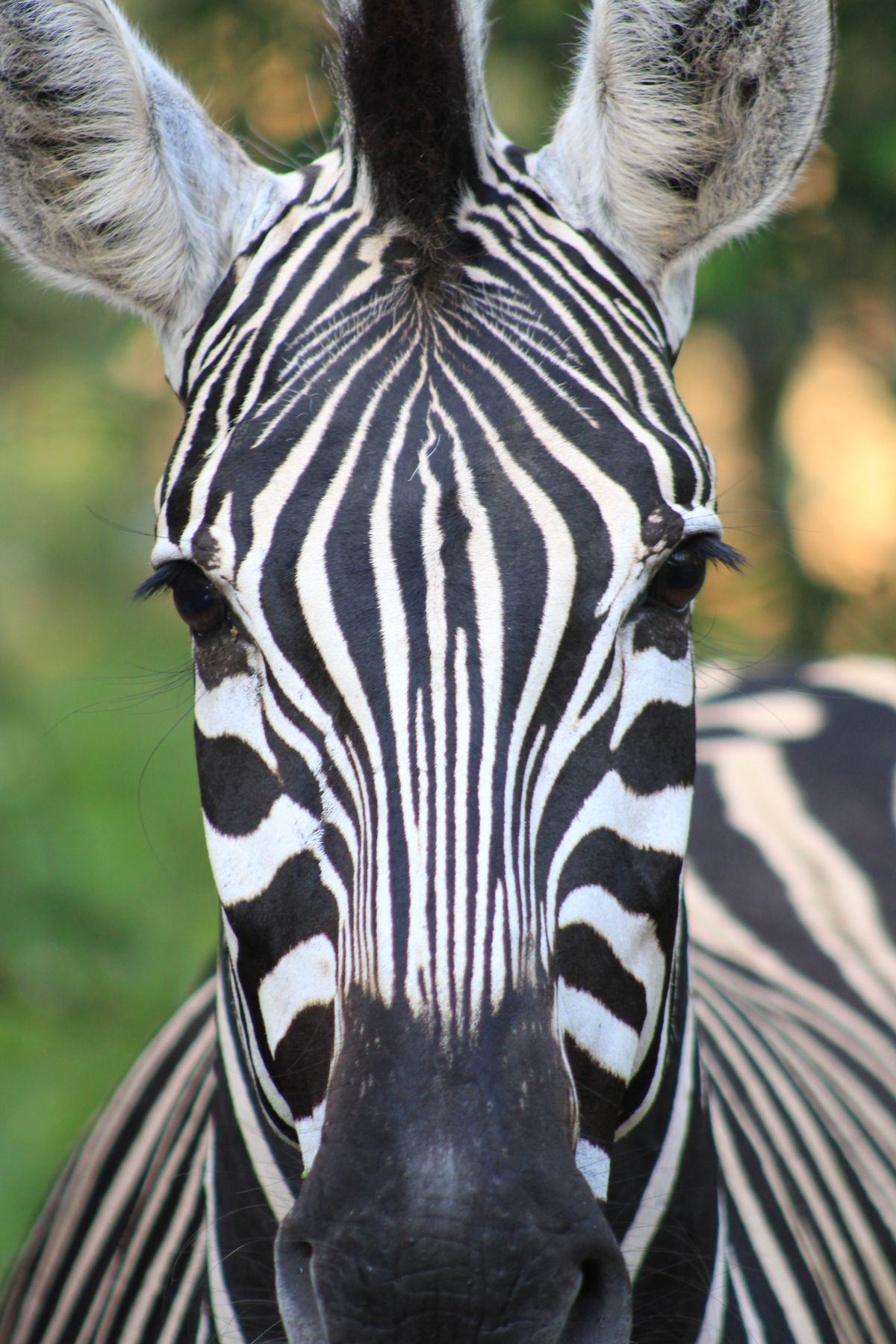
Quick Answer
Zebra stripes most likely help protect against blood-sucking flies. In a 2014 study, researchers compared the striping of zebras, horses and asses around the world with climate, woodland, predators and the ranges of biting flies, and found the best match was with biting flies: stripes were more extensive where flies were a bigger nuisance. In 2019, scientists from the University of Bristol and UC Davis tested the idea on a horse farm in Britain. Significantly fewer horse flies landed on zebras than on horses, and horses wearing striped coats attracted fewer flies too. Video showed flies approaching zebras faster and failing to slow down before reaching their skin. Any that landed stayed for less time, and few stayed long enough to bite. Flies matter because in Africa, horse flies and tsetse flies carry diseases such as trypanosomiasis and African horse sickness. Researchers are still working out exactly how stripes confuse flies.
By the Numbers
Key Facts
- Best-supported reason
- Keeping biting flies from landing
- 2019 test
- Fewer flies landed on zebras than on horses, and horses in striped coats drew fewer flies
- 2014 comparison
- Stripes were most extensive where biting flies were more of a nuisance
- Why flies matter
- They can carry deadly diseases such as trypanosomiasis and African horse sickness
How the 2019 test worked
- Watch the flies
Researchers filmed horse flies around zebras and horses on a horse farm in Britain.
- Count the landings
They tracked how often flies landed and how long they stayed.
- Dress up the horses
Some horses wore striped coats, and others wore plain ones.
- Compare
Fewer flies landed on zebras, and on horses in striped coats.
Following the flies
In 2014, Tim Caro of UC Davis and colleagues mapped the stripes of seven species of zebras, horses and asses and compared them with woodland, temperature, large predators and the ranges of tsetse flies and horse flies. “Again and again,” they reported, there was more striping in the parts of the world with more biting flies.
A test with horses
In 2019, Caro and Martin How of the University of Bristol watched flies around zebras and horses on a British horse farm. Significantly fewer flies landed on zebras, and flies that did land spent less time there. When horses wore striped coats, they got fewer horse fly landings too.
How stripes might work
No one knows exactly. One idea is that stripes disrupt how a fly judges distance and speed as it comes in to land. Another study found that the polarization differences between black and white stripes blur out beyond about 10 meters, which suggests stripes work at close range. A 2022 study found that zebras repel biting flies at close range.
Myth vs. Fact
MythStripes help zebras hide from lions.
FactThe 2014 study compared stripes with the ranges of large predators, and the best match was with biting flies.
MythStripes keep flies from coming near.
FactIn the 2019 study, flies approached zebras but landed less and left sooner.
The Bottom Line
Zebra stripes most likely help keep biting flies from landing. Experiments with zebras and with horses in striped coats found fewer landings, and flies can carry deadly diseases.
Sources & Further Reading
- PLOS ONE — Caro et al., Benefits of zebra stripes: Behaviour of tabanid flies around zebras and horses (2019)
- Nature Communications — Caro et al., The function of zebra stripes (2014)
- University of Bristol — Zebra stripes (2019)
- PBS NOVA — When Keeping Flies at Bay, Zebras Can Thank Their Lucky Stripes
- Scientific Reports — Zebras of all stripes repel biting flies at close range (2022)