Space
Our solar system and beyond: why Venus is hotter than Mercury, why Pluto was reclassified and why auroras keep turning up far from the poles.
 60-SEC READ
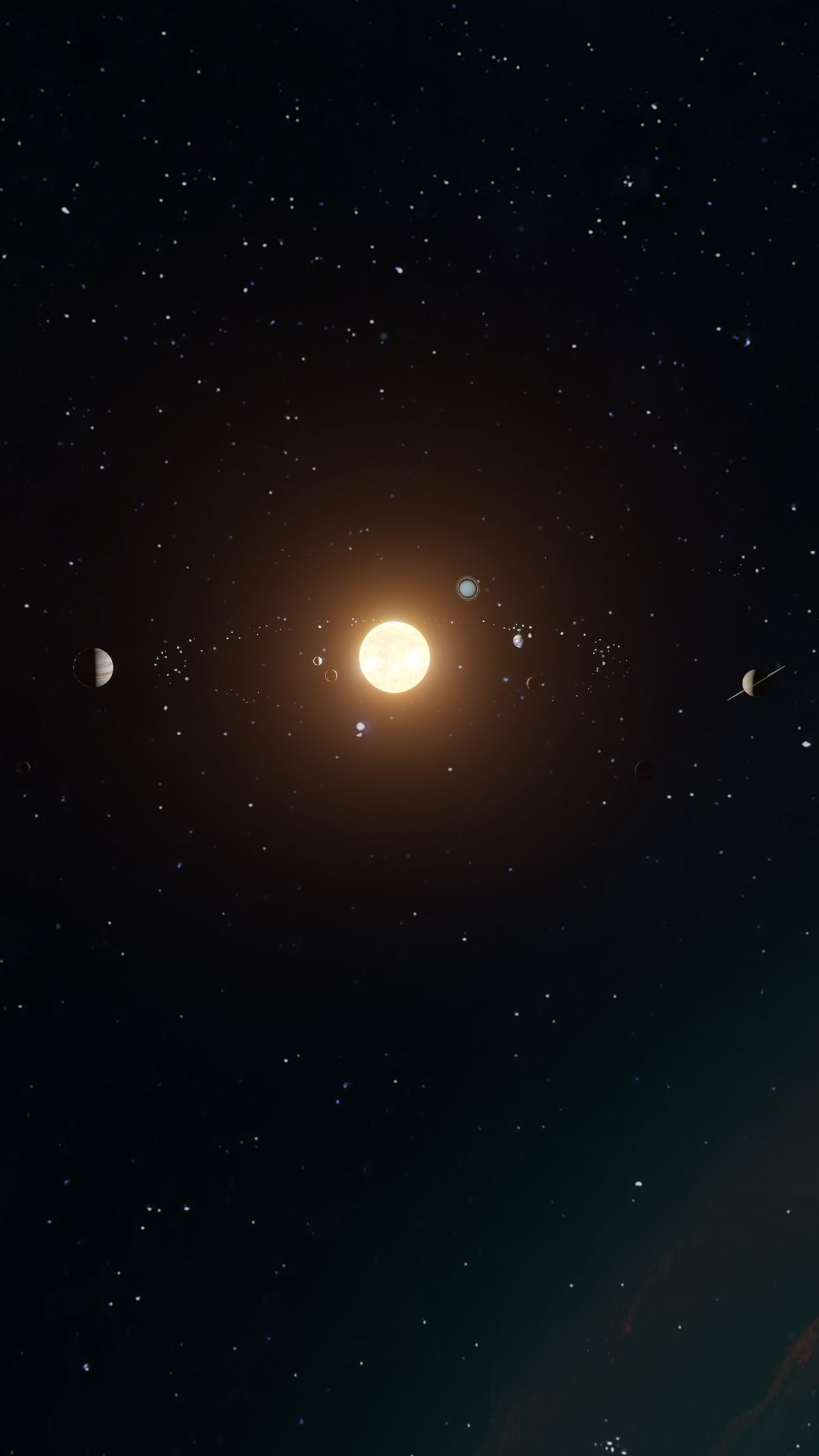
Why is Venus hotter than Mercury, even though Mercury is closer to the sun?
Venus's thick carbon dioxide atmosphere traps heat in an extreme greenhouse effect, while Mercury has almost no atmosphere to hold onto any warmth at all.
Full write-up · 4 sources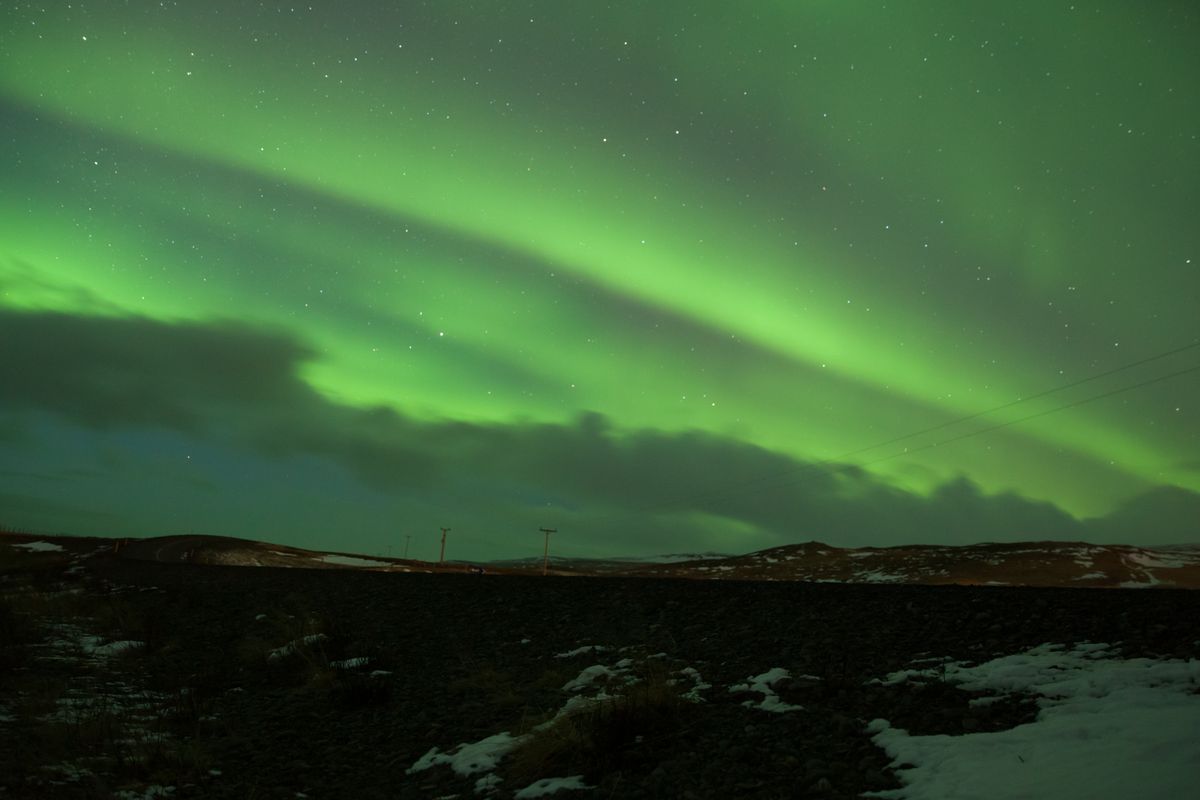 60-SEC READ
Why have the northern lights been showing up so far south?
The Sun hit the peak of its roughly 11-year activity cycle in late 2024. Powerful solar storms push auroras toward the equator, and big ones can still strike as activity declines.
Full write-up · 6 sources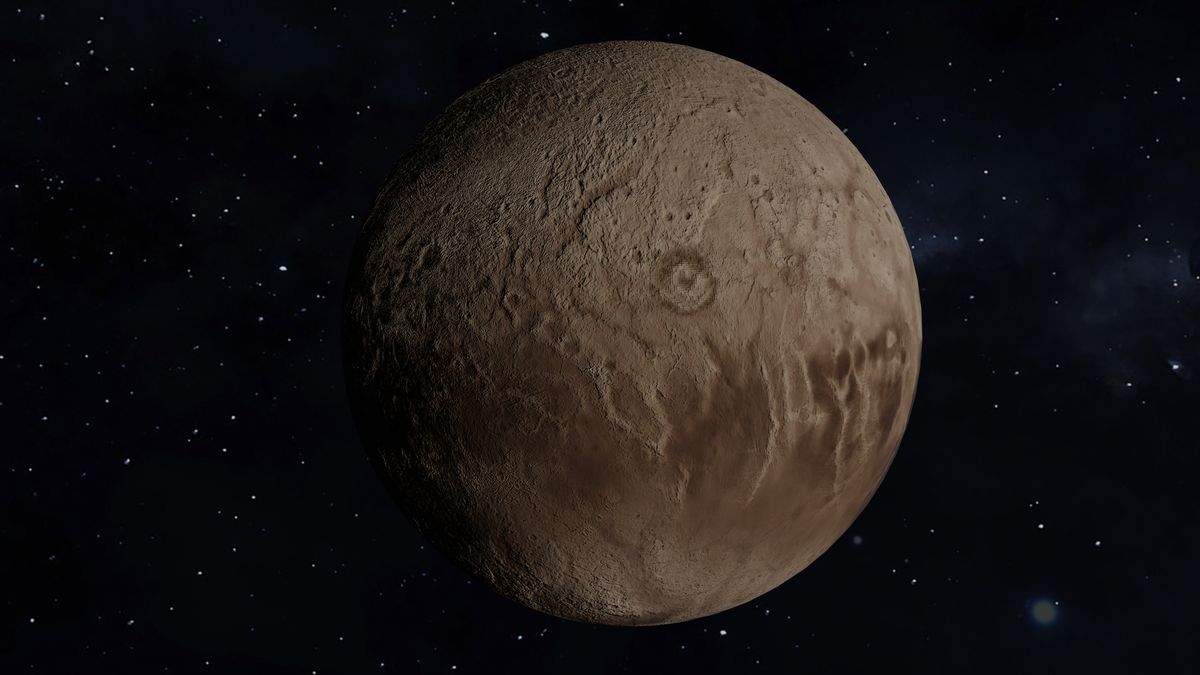 60-SEC READ
Why isn’t Pluto a planet anymore?
In 2006, astronomers defined “planet” for the first time. Pluto orbits the Sun and is round, but it hasn’t cleared its orbital neighborhood, so it’s a dwarf planet.
Full write-up · 5 sources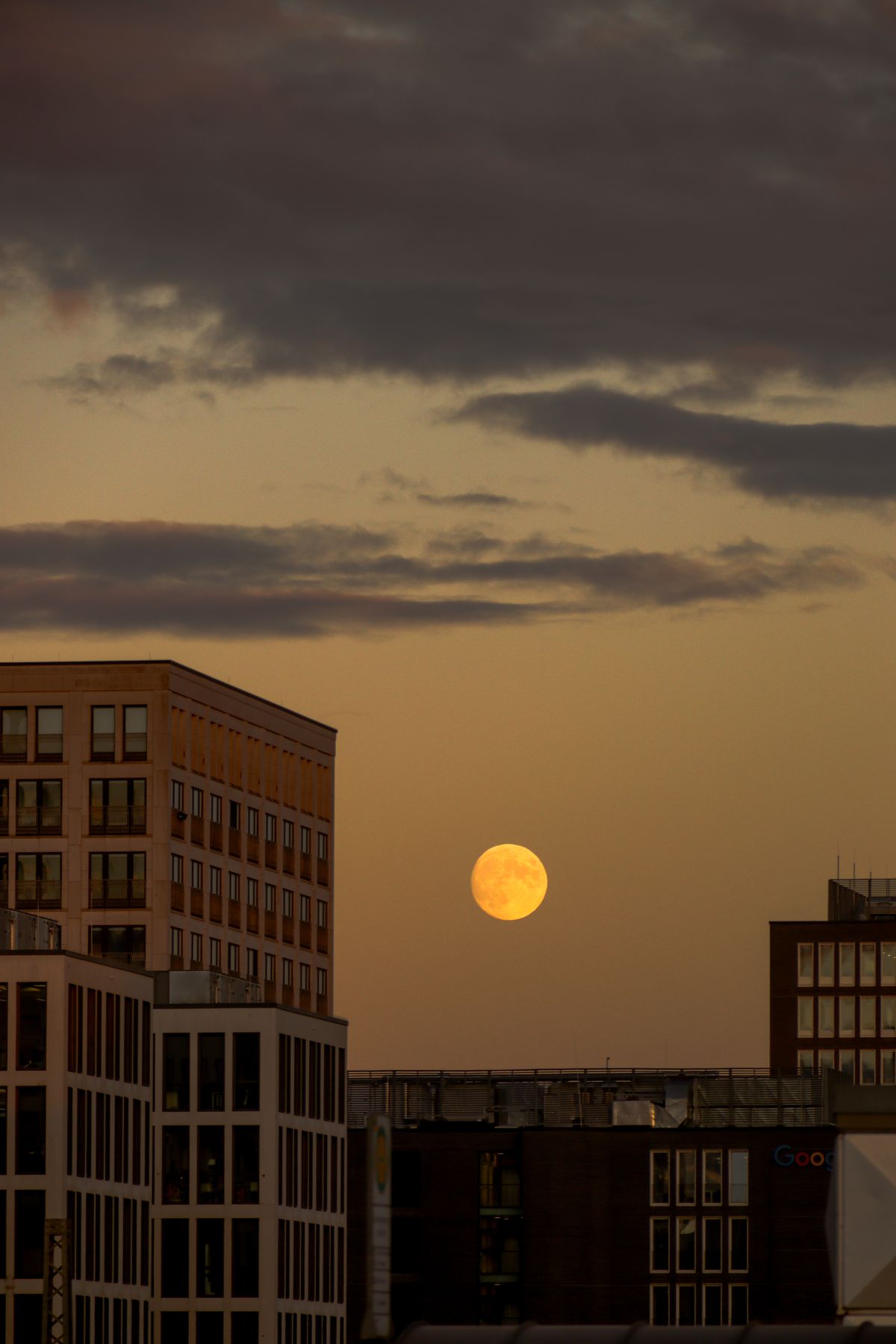 60-SEC READ
Why does the Moon look bigger near the horizon?
It’s an illusion. The Moon always covers about half a degree of sky, and cameras show it the same size. Your brain enlarges it near the horizon, and scientists still debate exactly why.
Full write-up · 4 sources 60-SEC READ
Why haven’t we been back to the Moon since 1972?
Mostly money and priorities. Once the Space Race was won, budgets shrank and NASA moved on to the Space Shuttle and space stations. Now Artemis is heading back, with a landing targeted for 2028.
Full write-up · 6 sources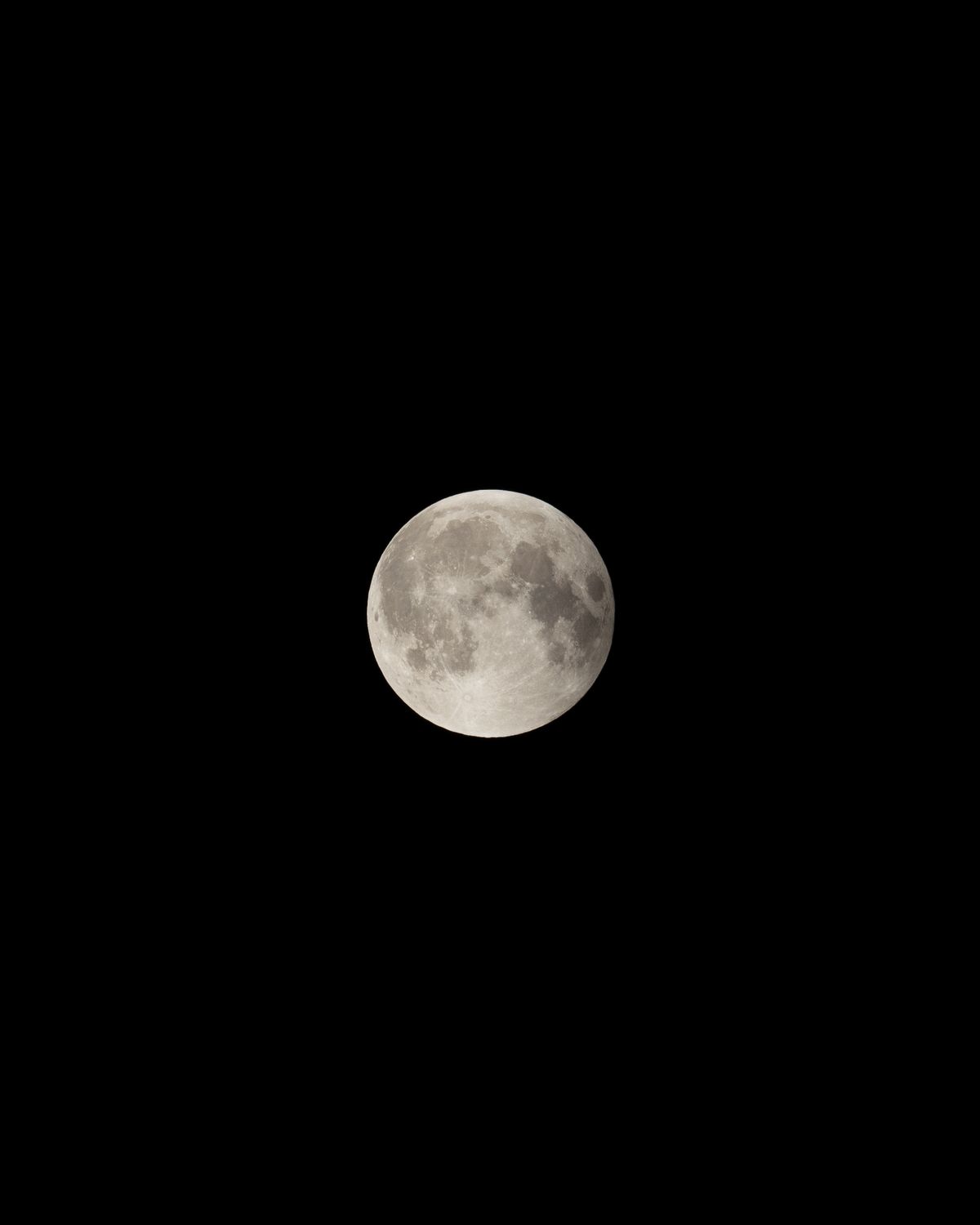 60-SEC READ
Why is the Moon drifting away from Earth?
Because of the tides. The Moon’s pull raises tidal bulges on Earth, and those bulges tug the Moon forward in its orbit, pushing it about 3.8 centimeters (1.5 inches) farther away each year.
Full write-up · 4 sources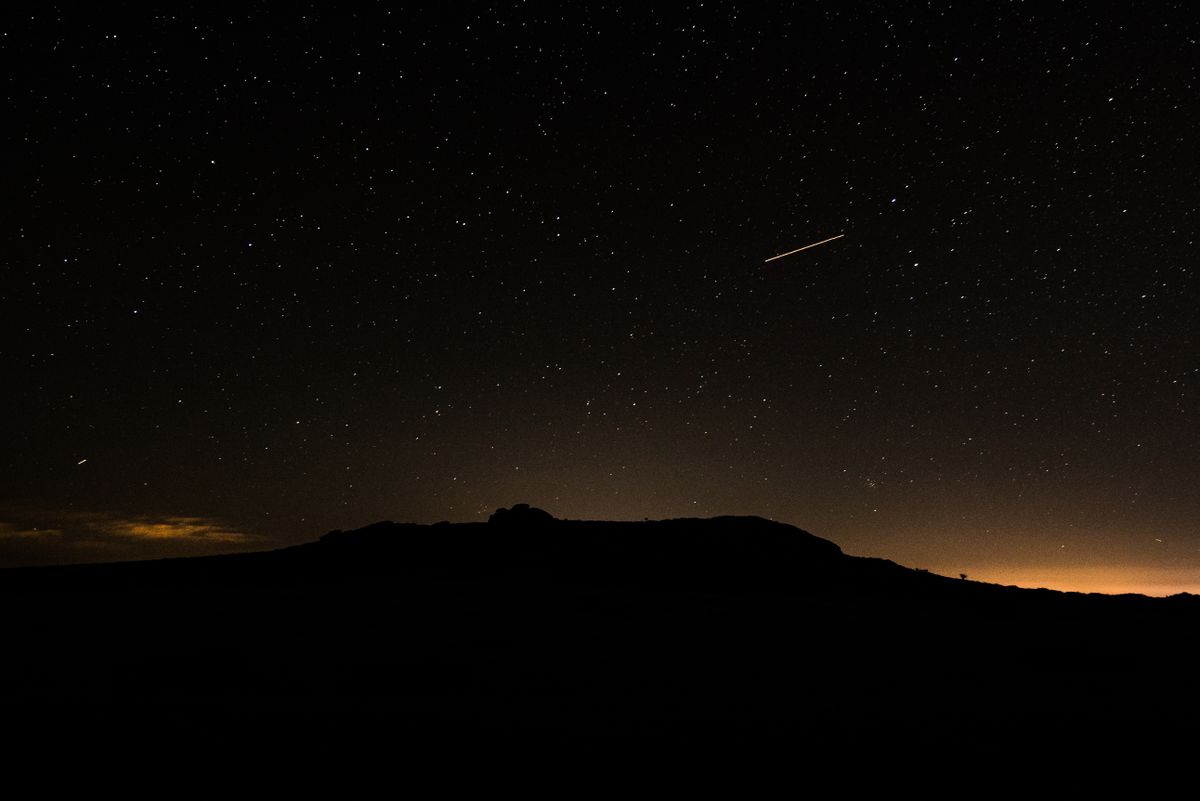 60-SEC READ
What causes meteor showers?
Earth plowing through trails of dust and debris left along an orbit, usually by a comet. The bits hit our atmosphere at up to 45 miles a second and burn up 50 to 75 miles overhead as shooting stars. The Orionids peak around October 21.
Full write-up · 5 sources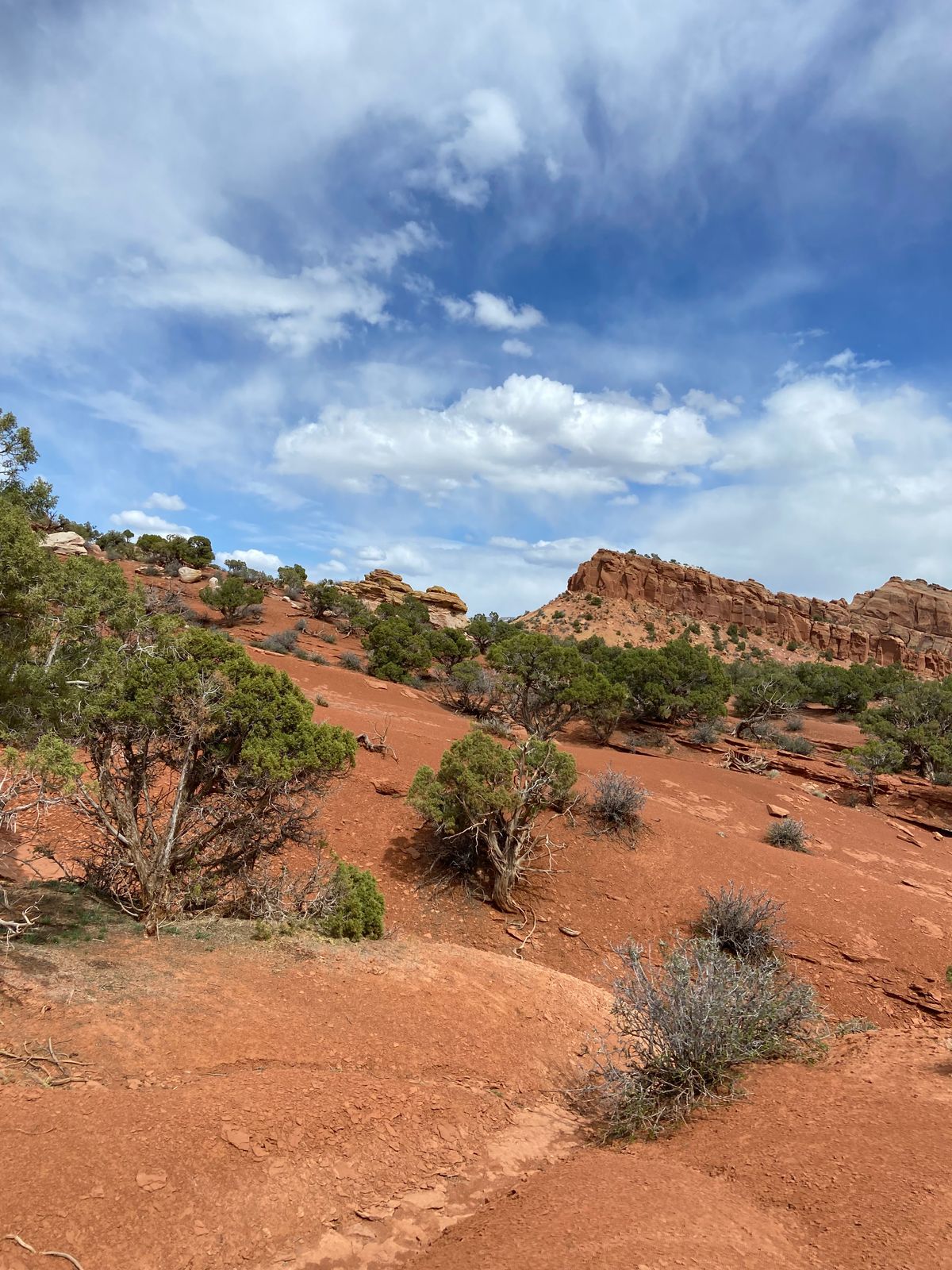 60-SEC READ
Why is Mars red?
Because its dust is rusty. Iron in Martian rock has oxidized, and a 2025 study suggests the dust is mostly ferrihydrite, an iron oxide that contains water and probably formed when Mars was wetter.
Full write-up · 4 sources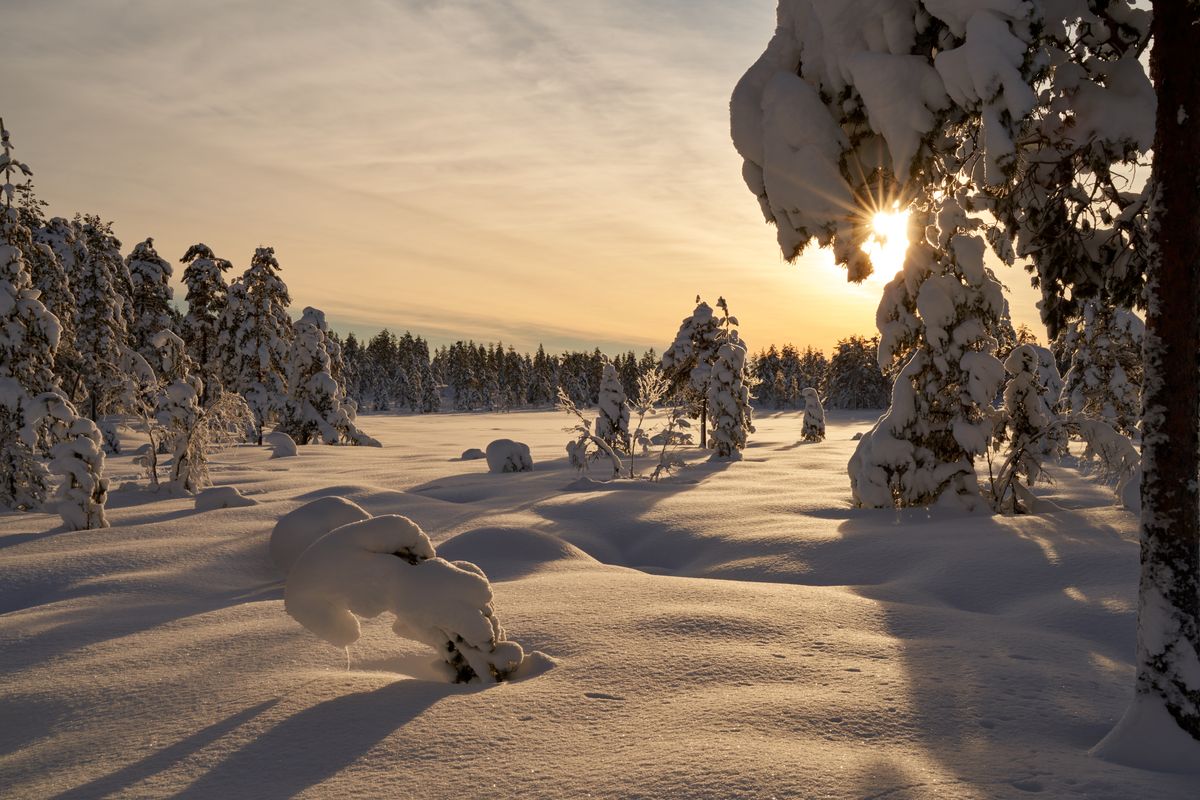 60-SEC READ
Why do we have seasons?
Because Earth’s axis is tilted about 23.5 degrees, not because of distance from the Sun. Earth is actually closest to the Sun in early January, in the middle of Northern Hemisphere winter.
Full write-up · 5 sources 60-SEC READ
Why does the earliest sunset come before the shortest day?
Because the Sun’s time drifts against the clock. In early December, solar noon arrives a little later each day, which pushes sunsets later even as days shrink. Near 40°N the earliest sunset is around December 8.
Full write-up · 5 sources 60-SEC READ
What is a supermoon?
A full Moon that happens near its closest point to Earth. It can look up to 14% bigger and 30% brighter than the faintest full Moon of the year. The next ones are November 24 and December 23–24, 2026.
Full write-up · 6 sources